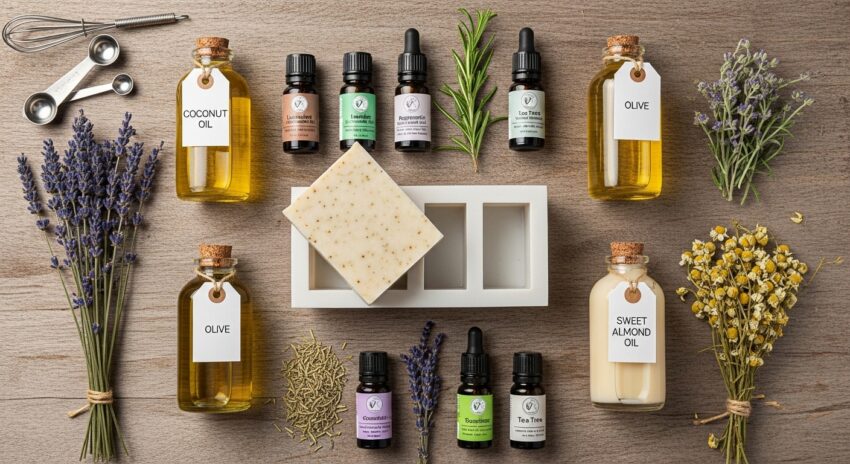
Essential Oils vs Fragrance Oils: What’s Best for Natural Soap Making?
When it comes to scenting handmade soap, one of the most common questions soap makers ask is:
Should I use essential oils or fragrance oils?
While both add scent, they are not the same — and choosing the right one affects not only fragrance, but labeling, cost, skin benefits, and how “natural” your soap truly is.
This guide breaks down the differences between essential oils vs fragrance oils, so you can make confident, informed choices for your soap recipes.
Table of Contents
Click a section below to jump directly to that topic.
- What Are Fragrance Oils?
- Natural Fragrance Oils: Are They Really Natural?
- What Are Essential Oils?
- Cost Considerations: Why Essential Oils Are Expensive
- Affordable Essential Oils for Soap Making
- Blending Essential Oils for Custom Scents
- Which Is Better for Soap Making?
- Essential Oils vs Fragrance Oils – FAQ
What Are Fragrance Oils?
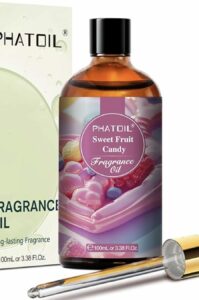
Fragrance oils are lab-created scent blends designed to mimic natural aromas or create scents that don’t exist in nature (such as fresh laundry, birthday cake, or ocean breeze).
They can be:
-
Fully synthetic
-
A blend of synthetic compounds and natural components
-
Occasionally blended with small amounts of essential oils
Pros of Fragrance Oils
✔ Wide variety of scent options
✔ Lower cost than essential oils
✔ More consistent scent retention in soap
✔ Often stronger and longer-lasting
Cons of Fragrance Oils
✘ No aromatherapy or therapeutic benefits
✘ Not considered “natural” for labeling purposes
✘ May contain synthetic compounds sensitive users want to avoid
While fragrance oils can smell incredible, they do not offer the traditional aromatherapy properties associated with essential oils.
For many soap makers, this may not matter — but for those focused on 100% natural soap, it does.
If you’re interested in using either option in a simple DIY project, perfume oils are one of the easiest ways to work with both essential oils and fragrance oils. 👉 read my post on Fragrance Oils
Natural Fragrance Oils: Are They Really Natural?
With increased demand for cleaner ingredients, natural fragrance oils have entered the market.
These are typically:
-
Derived from natural plant materials
-
Processed using proprietary formulations
-
Still labeled as “fragrance” due to disclosure rules
⚠️ Because formulations are proprietary, you cannot label soap made with them as essential oil scented, even if they are plant-derived.
Natural fragrance oils are relatively new and can be a useful compromise when:
-
Essential oils are cost-prohibitive
-
A specific scent cannot be achieved naturally
-
You want a “naturally derived” option with better stability
What Are Essential Oils?
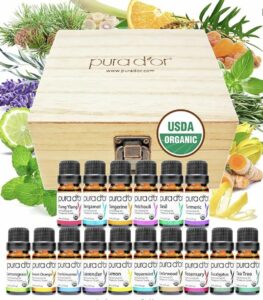
Essential oils are concentrated plant extracts, obtained from:
-
Flowers
-
Leaves
-
Seeds
-
Bark
-
Roots
-
Fruits
They are extracted using:
-
Steam distillation
-
Cold pressing
-
Solvent extraction
Each essential oil contains naturally occurring chemical compounds that give it unique properties — both beneficial and potentially harmful if misused.
Important Safety Note
For detailed guidance on dilution, contraindications, and safe handling, see my complete guide on how to use essential oils safely.
Essential oils are powerful. Some:
-
Are not safe during pregnancy
-
Should be avoided with epilepsy or certain medical conditions
-
Must be used at safe dilution rates
Education and caution are essential when working with them.
Essential oils are highly concentrated and must always be used within established soap-making usage rates and safety guidelines.
Cost Considerations: Why Essential Oils Are Expensive
One major drawback of essential oils is cost.
For example:
-
True rose essential oil requires thousands of petals per ounce
-
Scenting a full batch of soap with rose EO could cost $80+ per bar
Because of this, many soap makers reserve expensive essential oils for:
-
Luxury bars
-
Facial soaps
-
Small-batch specialty products
Affordable Essential Oils for Soap Making
Not all essential oils break the bank. These are reliable, cost-effective options commonly used in soap:
Tea Tree Essential Oil
-
Antibacterial & antiseptic
-
Excellent for acne and problem skin
-
Popular in facial and medicinal soaps
Lavender Essential Oil
-
Calming and skin-soothing
-
One of the gentlest essential oils
-
Often used in baby and sensitive skin soaps
Rosemary Essential Oil
-
Stimulates circulation
-
Popular in shampoo and hair bars
-
Known for mental clarity and focus
Lemongrass Essential Oil
-
Fresh, uplifting scent
-
Antibacterial, antifungal, and deodorizing
-
Great for summer and insect-repellent soaps
Blending Essential Oils for Custom Scents
One of the joys of essential oils is blending.
Popular combinations include:
-
Eucalyptus + Peppermint (great for congestion and colds)
-
Lavender + Tea Tree (calming and cleansing)
-
Rosemary + Lemongrass (energizing and fresh)
Blending allows you to create unique, natural scents while balancing cost and benefits.
Which Is Better for Soap Making?
There’s no single “right” answer.
Choose essential oils if you want:
-
100% natural soap
-
Aromatherapy benefits
-
Clean labeling
Choose fragrance oils if you want:
-
Affordable production
-
Unique or complex scents
-
Strong, long-lasting fragrance
Many experienced soap makers use both, depending on the recipe and purpose.
Essential Oils vs Fragrance Oils – FAQ
Are essential oils better than fragrance oils for soap making?
Essential oils are considered better for soap makers who want a fully natural product with added skin and aromatherapy benefits. Fragrance oils are better for soap makers who want lower costs, stronger scent retention, or fragrance types that cannot be achieved naturally.
Can soap made with fragrance oils be labeled as natural?
No. Soap made with fragrance oils — including natural fragrance oils — must be labeled as containing “fragrance.” Only soaps scented exclusively with essential oils can be labeled as essential oil scented.
Are fragrance oils safe to use in soap?
Fragrance oils formulated specifically for soap making are generally safe when used within recommended usage rates. Always purchase fragrance oils from reputable suppliers and follow IFRA guidelines.
Do essential oils keep their scent in cold process soap?
Some essential oils fade during saponification, especially citrus oils. Anchoring oils like patchouli, cedarwood, or vetiver can help extend scent longevity in cold process soap.
Are essential oils safe for sensitive skin?
Many essential oils are safe when properly diluted, but some can irritate sensitive skin or have contraindications. Lavender and chamomile are among the gentlest options, while oils like cinnamon or clove should be used with caution.
Why are essential oils more expensive than fragrance oils?
Essential oils require large amounts of plant material to produce small quantities of oil. For example, thousands of rose petals are needed to create a single ounce of rose essential oil, making it extremely costly.
What are the best essential oils for beginner soap makers?
Lavender, tea tree, rosemary, and lemongrass are excellent choices for beginners. They are affordable, versatile, and perform well in cold process soap.
Can essential oils be blended in soap making?
Yes. Essential oils can be blended to create unique natural scents. Popular combinations include eucalyptus and peppermint, lavender and tea tree, and rosemary and lemongrass.
Is it okay to use both essential oils and fragrance oils in the same soap?
Yes, many soap makers combine essential oils and fragrance oils to balance cost, scent stability, and natural appeal. However, labeling must still list “fragrance” if fragrance oils are used.
Happy Soaping 🧼
Important Note:
This information is for educational purposes only. Always follow supplier guidelines and safe usage rates when scenting soap.
This post may contain affiliate links. If you make a purchase through these links, I may earn a small commission at no extra cost to you.
© 2016 – 2026, Tes. All rights reserved.