updated 2026
Overview: What Is Rosemary Essential Oil?
Rosemary essential oil is a stimulating, herbaceous oil long valued for its ability to support hair and scalp health, mental clarity, circulation, and natural cleansing. Used since ancient times, rosemary has been associated with memory, vitality, and physical strength.
Today, rosemary essential oil is widely used in hair growth treatments, scalp care products, aromatherapy blends, natural cleaning recipes, and handcrafted soap. Its fresh, invigorating scent and versatile nature make it a staple oil for both beginners and experienced formulators.
Choose a high-quality rosemary essential oil from a reputable supplier for best results.
Botanical Source of Rosemary Essential Oil

Rosemary essential oil is distilled from the leaves and flowering tops of:
-
Rosmarinus officinalis (also known as Salvia rosmarinus)
Native to the Mediterranean region, rosemary thrives in warm, sunny climates and has been used for culinary, medicinal, and aromatic purposes for centuries.
How Rosemary Essential Oil Is Made

Rosemary essential oil is extracted through steam distillation of fresh rosemary leaves and flowering tops. This process captures the oil’s active aromatic compounds, resulting in a clear to pale yellow oil with a strong herbal scent.
Different chemotypes exist (cineole, camphor, verbenone), which can slightly influence aroma and use.
Aroma Profile & Emotional Benefits
Rosemary essential oil has a fresh, herbal, camphoraceous aroma that is stimulating and uplifting.
It is commonly used to:
-
Support mental clarity and focus
-
Reduce mental fatigue
-
Promote alertness and motivation
-
Create an energizing atmosphere
Because of its invigorating nature, rosemary is often used in morning blends and productivity-focused aromatherapy.
Top Benefits of Rosemary Essential Oil
Rosemary essential oil is valued for its naturally supportive properties:
-
Stimulates circulation
-
Supports hair and scalp health
-
Helps reduce dandruff
-
Encourages mental clarity
-
Adds freshness to natural cleaning blends
Its versatility makes it one of the most practical essential oils to own.
Rosemary Essential Oil for Skin Care
Rosemary essential oil is often used in skincare formulations designed for oily or congested skin:
-
Helps balance excess oil
-
Supports clearer-looking skin
-
Used in toners and cleansers
-
Provides a refreshing, purifying feel
Because rosemary is stimulating, proper dilution is essential for skin use.
Dilute rosemary essential oil in a carrier oil such as jojoba oil or sweet almond oil before skin use.
Rosemary Essential Oil for Hair & Scalp Health
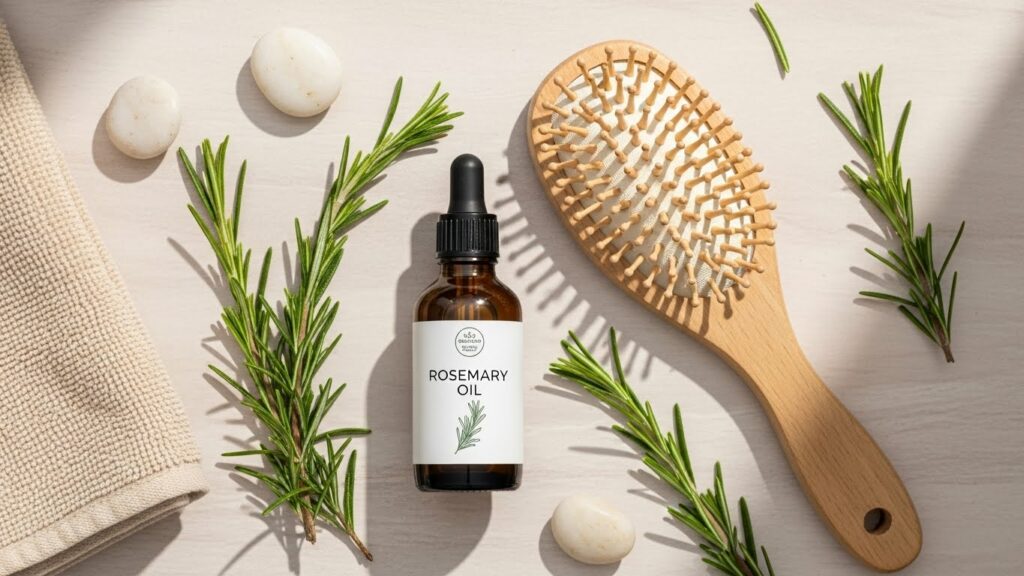
Rosemary essential oil is best known for its role in natural hair care:
-
Supports hair growth
-
Stimulates scalp circulation
-
Helps reduce dandruff and flakes
-
Relieves itchy scalp
-
Commonly used in scalp oils, shampoos, and conditioner bars
It is frequently blended with peppermint, lavender, or cedarwood for scalp-focused formulations.
🧼 Using Rosemary Essential Oil in Soap Making

Rosemary essential oil is a popular choice in cold process soap making, especially for functional and herbal soap recipes. Its clean, herbal scent performs well in soap and adds a fresh, energizing character.
Rosemary holds its scent moderately well in cold process soap, particularly when paired with anchoring oils such as cedarwood, patchouli, or frankincense.
Rosemary essential oil works especially well in:
-
Shampoo and scalp bars
-
Gardener’s and mechanic’s soaps
-
Herbal and cleansing soaps
-
Energizing morning soaps
Soap makers appreciate rosemary for its low to moderate acceleration risk and predictable behavior.
Soap Maker Notes:
-
Scent strength: Medium–strong
-
Acceleration risk: Low to moderate
-
Discoloration: None
-
Blends well with: Peppermint, Lavender, Cedarwood, Lemon, Tea Tree
👉 If you’re new to scenting soap, see How to Scent Soap Naturally and Essential Oils vs Fragrance Oils.
Accurate formulation requires a digital gram scale for soap making.
A soap making reference book or essential oil blending guide can be helpful when creating scalp and shampoo bars.
Respiratory & Wellness Uses
Rosemary essential oil is commonly used in wellness routines:
-
Supports clear breathing
-
Used in steam inhalations
-
Adds freshness to diffuser blends
-
Often combined with eucalyptus or peppermint
Its stimulating aroma makes it popular during seasonal congestion.
Historical Uses of Rosemary Essential Oil
Rosemary has a long and fascinating history:
-
Used by ancient Greeks and Romans to improve memory
-
Associated with protection and vitality
-
Used in medieval herbal medicine
-
Traditionally burned or infused for purification
Its reputation for strengthening both mind and body spans centuries.
How to Use Rosemary Essential Oil Safely
-
Always dilute before applying to skin
-
Perform a patch test before first use
-
Avoid contact with eyes and mucous membranes
-
Not recommended during pregnancy without professional guidance
-
Keep out of reach of children
👉 See Essential Oil Dilution Chart and How to Use Essential Oils Safely at Home for safe usage guidelines.
Store essential oils in dark amber glass bottles away from heat and light.
Essential Oils That Blend Well With Rosemary
Rosemary blends especially well with:
-
Peppermint
-
Lavender
-
Cedarwood
-
Lemon
-
Tea Tree
These combinations are popular in hair care, soap making, and energizing blends.
Frequently Asked Questions About Rosemary Essential Oil
Is rosemary essential oil good for hair growth?
Yes, it is widely used to support scalp circulation and healthy hair growth.
Can rosemary essential oil be used in soap making?
Yes, it performs well and is commonly used in shampoo and herbal soaps.
Is rosemary essential oil stimulating?
Yes, it is energizing and best used earlier in the day.
Is rosemary safe for skin use?
Yes, when properly diluted.
Final Thoughts
Rosemary essential oil is a powerful, versatile oil with a long history of supporting hair health, mental clarity, and natural cleansing. Whether used in soap making, scalp care, or aromatherapy, it remains a cornerstone of natural living.
Important Note:
This information is for educational purposes only.
This post may contain affiliate links. If you make a purchase through these links, I may earn a small commission at no extra cost to you.
© 2017 – 2026, Tes. All rights reserved.
Rosemary is certainly one of my favorite essential oils.
I use it every day when I am working to help me stay on task and keep my mind positive. I really believe it’s one of those essential oils that doesn’t get as much credit as it should get.
However, I do have a question for you. What other essential oils do you like to use with it? Personally, I like using it with peppermint.
But, thanks for the soap making recipes. I’m going to try to make my very first soap in a couple of days. I’m so excited to try it out! Do you know anywhere I can get some molds for soap?
I use Rosemary oil at the office, essential oils are wonderful. One of my other very favorite essential oils is lemongrass. I love its uplifting and refreshing scent.
Great that you’ll be making your first soap in a few days, I know you’ll love it. I have to warn you though it can be an addictive hobby. Looking for molds? Here is a link that will help you.
Almost anything can be used for molds