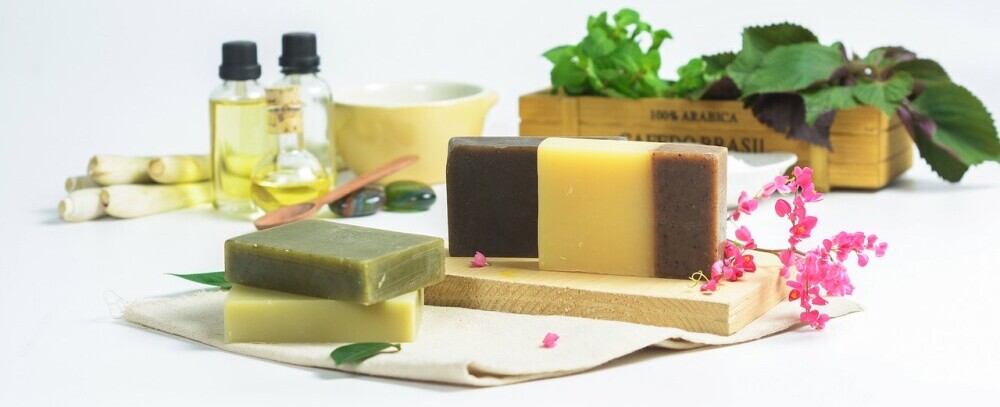
Why Natural Soap Making Is Better for Your Skin and Your Home
There’s something incredibly satisfying about making your own soap. Maybe it’s knowing exactly what’s going into each bar, or maybe it’s watching simple ingredients transform into something beautiful and useful. Whatever the reason, natural soap making has become more popular than ever — and after making my own soap for years, I completely understand why.
Commercial soap often left my skin feeling dry and tight, especially during winter. Once I started making cold process soap at home using natural oils and simple ingredients, I noticed a huge difference. My skin felt better, the bars lasted longer, and I loved having complete control over what I was putting on my body.
Natural soap making isn’t just about avoiding harsh ingredients. It’s also creative, practical, and surprisingly rewarding once you learn the basics.
What Is Natural Soap?
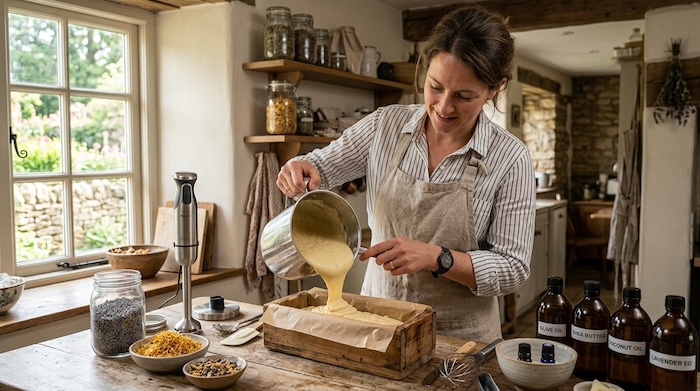
Natural soap is made using oils, lye, and water through a process called saponification. During this process, the lye reacts with the oils and turns them into soap.
Real soap is very different from many commercial “beauty bars” or detergent-based cleansers sold in stores. Many commercial products contain synthetic detergents, artificial fragrances, fillers, and preservatives that can strip your skin of its natural oils.
Natural soap keeps things simple.
Most handmade soap makers use nourishing oils and butters like:
- Olive oil
- Coconut oil
- Shea butter
- Cocoa butter
- Castor oil
- Avocado oil
If you’re new to soap making, my Cold Process Soap Making for Beginners guide is a great place to start.
You should also read What to Do If Lye Touches Skin before handling lye for the first time.
Why Commercial Soap Can Be Hard on Skin

Many commercial soaps are designed for long shelf life, heavy fragrance, and low manufacturing cost rather than skin nourishment.
Some commercial bars contain:
- Synthetic detergents
- Sulfates
- Artificial fragrance oils
- Harsh preservatives
- Added fillers
Another big difference is that many commercial manufacturers remove the natural glycerin created during soap making. Glycerin is a humectant that helps attract moisture to your skin.
Handmade soap naturally retains that glycerin.
That’s one of the reasons homemade soap often feels creamier and less drying than store-bought bars.
Benefits of Natural Soap Making
Full Control Over Ingredients
One of the biggest advantages of making your own soap is choosing exactly what goes into it.
You can avoid ingredients you don’t want and customize bars for:
- Sensitive skin
- Dry skin
- Unscented soap
- Herbal soap
- Exfoliating soap
- Essential oil blends
If you’re unsure whether to use essential oils or fragrance oils, read Essential Oils vs Fragrance Oils in Soap Making.
Natural Glycerin Helps Moisturize Skin
Homemade soap naturally contains glycerin, which helps your skin retain moisture.
Many people notice:
- Less dryness
- Softer skin
- Reduced irritation
- Better results during winter months
Endless Creativity
Soap making is one of those hobbies where there’s always something new to learn.
You can experiment with:
- Natural colorants
- Clay
- Herbs
- Milk soaps
- Honey soaps
- Oatmeal exfoliants
- Swirls and layers
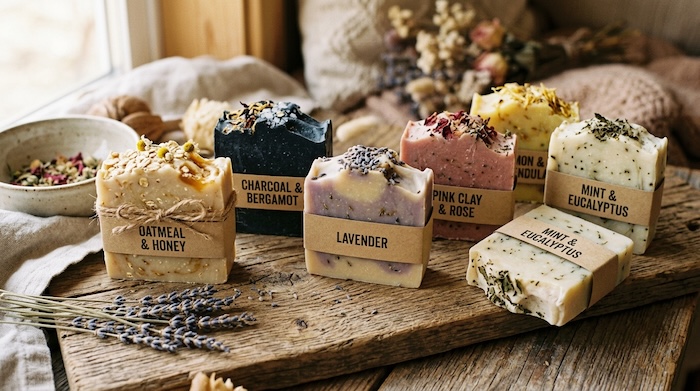
Some of my favorite soaps to make use ingredients like charcoal, clays, coffee grounds, and botanicals.
You can also explore different oils in Best Oils for Cold Process Soap Making.
Less Packaging Waste
Many handmade soap makers choose simple recyclable packaging or no packaging at all.
Making your own soap can help reduce:
- Plastic bottles
- Excess packaging
- Chemical-heavy products
- Waste from commercial personal care items
Why I Started Making My Own Soap
When I first started making soap, I honestly had no idea how addictive it would become.
At first, I just wanted a more natural alternative to commercial soap. But once I made my first successful batch, I was hooked.
There’s something rewarding about creating a bar of soap from scratch and watching it cure into something useful and beautiful.
I also quickly realized that handmade soap made thoughtful gifts, and before long I was experimenting with different oils, essential oils, and natural additives.
Of course, not every batch turns out perfectly when you’re learning.
That’s why I highly recommend reading Cold Process Soap Troubleshooting Guide if you’re just getting started.
Basic Supplies Needed for Natural Soap Making
You don’t need an elaborate setup to begin making soap at home, but there are a few tools that make the process much easier and safer.
Recommended Soap Making Supplies
- Stick Blender for Soap Making
- Digital Kitchen Scale
- Silicone Soap Molds
- Safety Goggles for Soap Making
- Chemical Resistant Gloves
- Stainless Steel Mixing Bowls
- Soap Cutter
- Soap Making Thermometer
A good scale and stick blender are probably the two most important beginner tools.
You can also see my full list of Handmade Soap Making Supplies for Beginners.
Is Natural Soap Better for Sensitive Skin?
For many people, yes.
Because handmade soap can be made with fewer synthetic ingredients, many people with sensitive skin find it gentler than heavily fragranced commercial products.
That said, every person’s skin is different.
When making soap for sensitive skin:
- Use mild oils
- Avoid excessive fragrance
- Keep recipes simple
- Test new ingredients carefully
Unscented or lightly scented soaps are often best for easily irritated skin.
Common Beginner Soap Making Mistakes
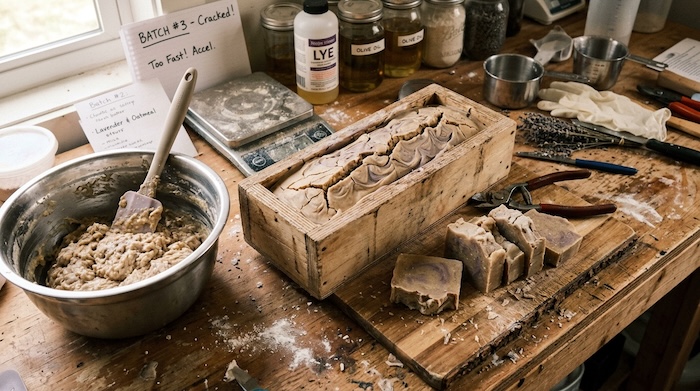
Every soap maker makes mistakes in the beginning. I definitely did.
Some common beginner issues include:
- Using incorrect measurements
- Not understanding lye safety
- Soap batter accelerating too quickly
- Fragrance oils causing problems
- Soft soap from recipe imbalance
- False trace
- Overheating during cure
Before making your first batch, I strongly recommend bookmarking:
These posts can save a lot of frustration.
Final Thoughts on Natural Soap Making
Natural soap making is more than just a hobby. It’s a practical skill that gives you complete control over the products you use on your skin while allowing plenty of room for creativity.
Once you understand the basics, it becomes surprisingly rewarding to create your own bars using simple ingredients and natural oils.
Whether you want to avoid harsh commercial ingredients, create thoughtful handmade gifts, or simply enjoy the process of making something from scratch, soap making is one of the most satisfying DIY skills to learn.
And honestly, once you start making your own soap, it’s hard to go back to store-bought bars again.
Disclosure:
The information provided on this website is for educational purposes only and should not be considered professional advice. Always practice proper safety when making soap or skincare products.
This post may contain affiliate links. As an Amazon Associate, I earn from qualifying purchases at no additional cost to you.
updated May 2026
© 2024 – 2026, Tes. All rights reserved.
Thank you for writing such an insightful blog! Natural soap making is such a fascinating topic because it allows us to take control of what we put on our skin. Unlike commercial soaps, handmade natural soaps are free from harsh chemicals and packed with nourishing ingredients like essential oils, shea butter, and natural fragrances. It’s not just about cleanliness; it’s about caring for your skin and the environment in a sustainable way. Your blog beautifully highlights this craft’s creativity and benefits—great work! Thanks.