If you’re just getting into cold process soap making, exploring additives is one of the best ways to customize your bars and make them truly unique. From silky goat milk to earthy clays or even a swirl of honey, the number of possibilities can feel almost endless. Over the years I’ve experimented with many different soap additives, and every ingredient brings something special to the finished bars.
Some additives improve lather, some add gentle exfoliation, and others help create beautiful natural colors or luxurious textures. Whether you want creamy moisturizing bars, naturally colored soap, or a simple exfoliating recipe, learning how additives work can completely change your soap making experience.
This guide covers some of the most popular natural additives for cold process soap, how to use them safely, and what to expect when adding them to your recipes.
If you’re brand new to soap making, start with my post on Cold Process Soap Making Instructions before experimenting with additives.
.
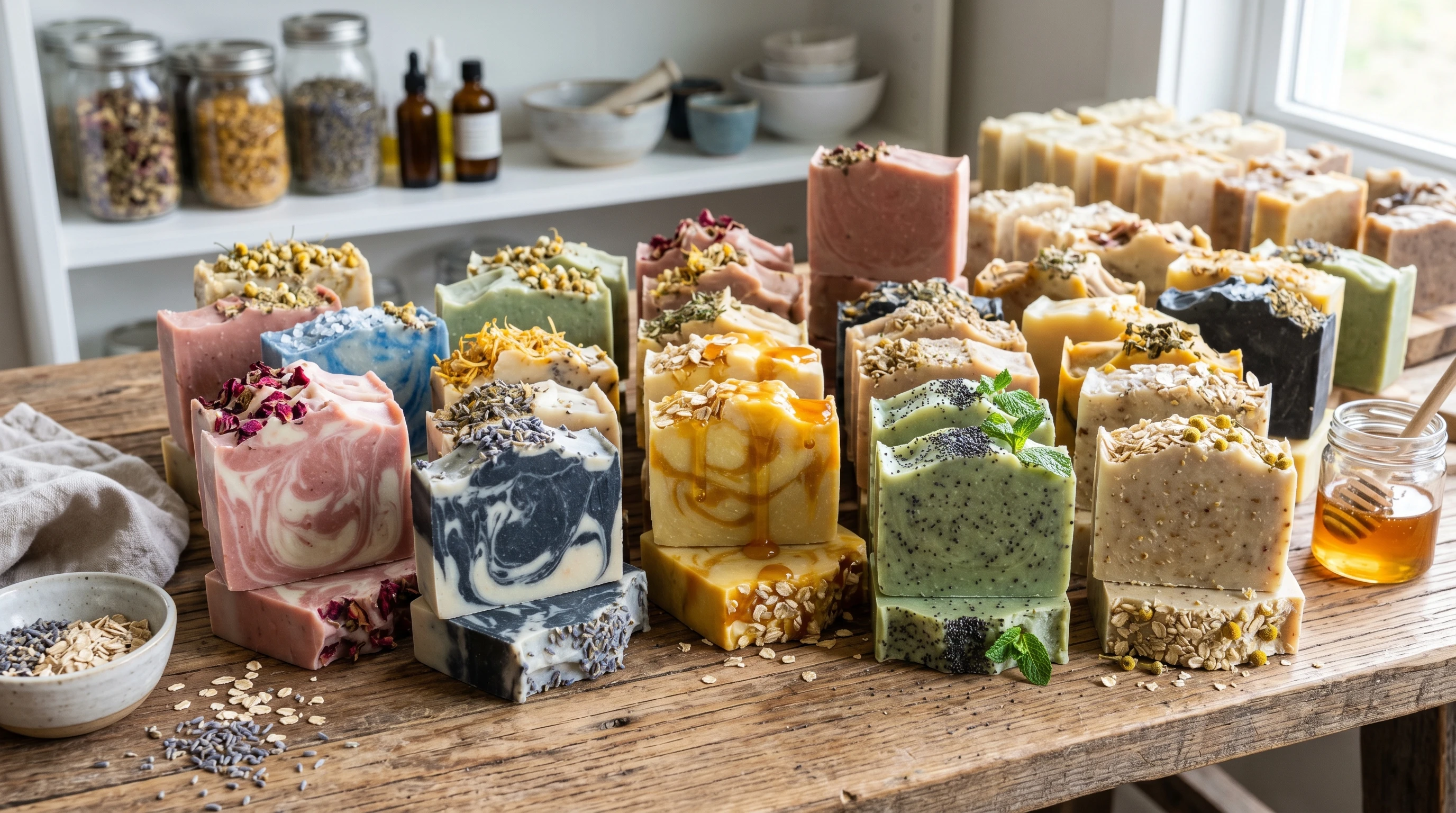
Table of Contents
-
- What Are Soap Additives?
- Why Soap Additives Matter in Cold Process Soap
- Best Clays for Cold Process Soap
- Herbs and Botanicals in Soap
- Natural Colorants for Soap
- Milks and Creams in Cold Process Soap
- Using Honey and Sugar in Cold Process Soap
- Exfoliants: Coffee, Oatmeal, Seeds & More
- Activated Charcoal in Soap
- Additives That Accelerate Trace
- Additives That Cause Discoloration
- Beginner Tips for Using Additives Safely
- Usage Rate Chart for Soap Additives
- Troubleshooting Soap Additives
- Best Beginner Additives for Cold Process Soap
- Frequently Asked Questions
What Are Soap Additives?
Soap additives are ingredients added beyond the basic oils, lye, and water used in cold process soap. These extras can include natural clays, dried herbs, flower petals, milks, sugars, exfoliants, botanicals, and natural colorants.
Some soap makers also experiment with:
- beer
- yogurt
- fruit powders
- aloe vera
- coffee
- charcoal
- honey
- salts
The purpose of additives is usually to:
- improve lather
- add color naturally
- create exfoliation
- make bars feel creamier
- improve visual appeal
- target certain skin types
I usually think of soap additives in a few categories:
- natural colorants
- exfoliants
- luxury ingredients
- scent boosters
- texture additives
Some ingredients overlap into multiple categories. Clays, for example, add both natural color and a silky skin feel, while milk can improve creaminess and boost lather at the same time.
One of the things I love most about cold process soap making is how customizable every batch becomes once you start experimenting with additives.
Why Soap Additives Matter in Cold Process Soap
Soap additives completely change the personality of a soap bar. A basic recipe can feel entirely different depending on what you add to it.
Clay can absorb excess oils and create a smooth spa-like texture. Honey boosts bubbles and helps draw moisture to the skin. Oatmeal creates gentle exfoliation for sensitive skin, while activated charcoal is popular in facial bars for oily skin.
Some additives are chosen mostly for appearance. Swirls made with French green clay or indigo powder can create beautiful earthy designs that hold up surprisingly well through curing.
Other additives are used because of the skin feel they create. Goat milk soap, for example, has a rich creamy texture that many people with dry skin really enjoy.
I’ve also found additives make soap making far more fun creatively. Sometimes you have an idea in your head and the finished bars turn out even better than expected. Other times you learn a lesson because an additive overheats, accelerates trace, or changes color during cure. That experimentation is part of what makes handmade soap so rewarding.

Best Clays for Cold Process Soap
Clays are some of the most popular soap additives because they provide natural color, improve slip and texture, and work beautifully in both simple and luxury soap recipes.
Most cosmetic clays are rich in minerals and have been used in skincare for hundreds of years.
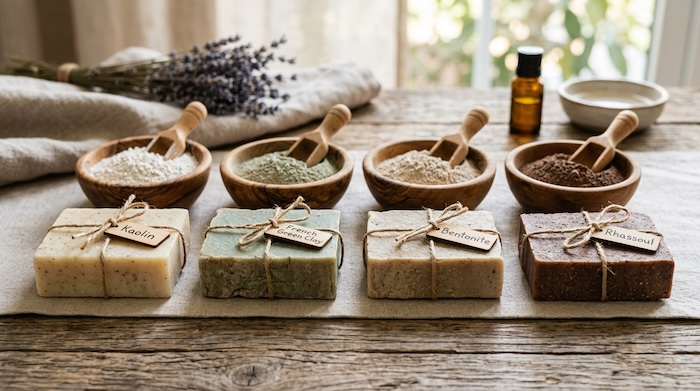
Kaolin Clay
Kaolin clay is one of the gentlest clays you can use in soap making. It’s creamy white and works especially well for sensitive or dry skin recipes.
Kaolin:
- adds a silky texture
- helps stabilize lather
- anchors fragrance
- creates soft natural coloring
I often use kaolin clay in facial bars or pastel colored soaps because it behaves very predictably and rarely causes issues.
You can find kaolin clay for soap making online or through most soap suppliers.
Bentonite Clay
Bentonite clay is commonly used in soaps designed for oily or combination skin because it naturally absorbs excess oils.
This clay creates:
- a smooth slip
- slightly heavier texture
- deep cleansing feel
- gray-green coloring
Bentonite is also popular in shaving soaps because of the extra glide it creates.
One thing I noticed early on is that bentonite can thicken soap batter pretty quickly if you use too much. I usually premix it with oil before adding it to trace.
French Green Clay
French green clay is one of my favorite natural soap colorants because it creates such a beautiful earthy sage green color.
This clay:
- contains natural minerals
- offers mild exfoliation
- works well for oily skin
- holds color nicely through cure
French green clay gives soap a natural rustic appearance that fits perfectly with handmade cold process bars.
Rhassoul Clay
Rhassoul clay (also called Moroccan red clay) is a luxury soap additive known for its rich mineral content and warm earthy tones.
Rhassoul:
- cleanses gently
- creates a silky feel
- adds tan to brown coloring
- works well in spa-style soaps
I really like rhassoul in goat milk or honey soaps because the warm natural color pairs beautifully with creamy recipes.
You can also experiment with French green clay and rhassoul clay powder in layered or swirled soap designs.
Herbs and Botanicals in Soap
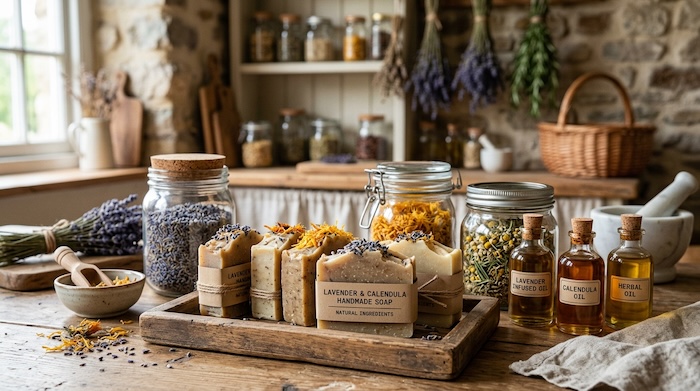
Dried herbs and flowers are classic additions to handmade soap. They add texture, visual appeal, and sometimes gentle exfoliation.
Popular botanicals include:
- lavender buds
- calendula petals
- chamomile
- rosemary
- rose petals
- peppermint leaves
Calendula petals are one of the easiest botanicals to work with because they tend to keep their color well during saponification.
Lavender buds are beautiful too, although I’ve noticed they often turn brown inside the soap because of the high pH. I usually save lavender buds for decorating the tops of bars instead.
Infusing Oils With Herbs
One of my favorite ways to use botanicals is by infusing oils before making soap.
This simply means:
- Adding dried herbs to olive oil or another carrier oil
- Letting the mixture sit for several weeks
- Straining the herbs out
The oil takes on some of the color and properties of the plant material, creating a more subtle natural additive.
If you enjoy natural ingredients, you may also like my post on Natural Soap Coloring Ideas Using Spices, Herbs, Clays and Plant Powders.
You can also experiment with dried calendula petals or lavender buds for soap making in decorative bars.
Natural Colorants for Soap
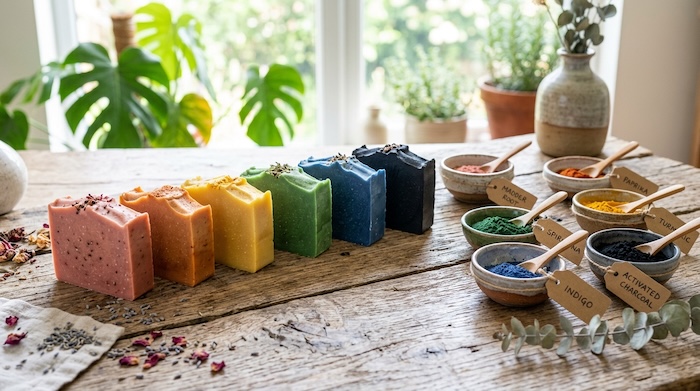
Natural soap colorants have become increasingly popular with soap makers who want to avoid synthetic dyes.
Some common natural colorants include:
- spirulina powder (green)
- indigo powder (blue)
- turmeric (yellow/gold)
- paprika (orange)
- madder root (pink)
- alkanet root (purple-gray)
- cocoa powder (brown)
- activated charcoal (black)
I’ve found natural colorants work best when mixed with a small amount of oil before adding to soap batter. This helps avoid clumping and creates more even color.
One thing to remember is that natural colors can change during cure.
For example:
- turmeric often softens from bright yellow to golden tan
- indigo may shift blue to teal
- alkanet can become muted lavender-gray
That unpredictability is part of the charm of natural soap making.
For more inspiration, see my post on Using Natural Colors in Soap.
Some soap makers prefer using soap-safe natural colorants, spirulina powder, or indigo powder for soap making for more vibrant earthy tones.
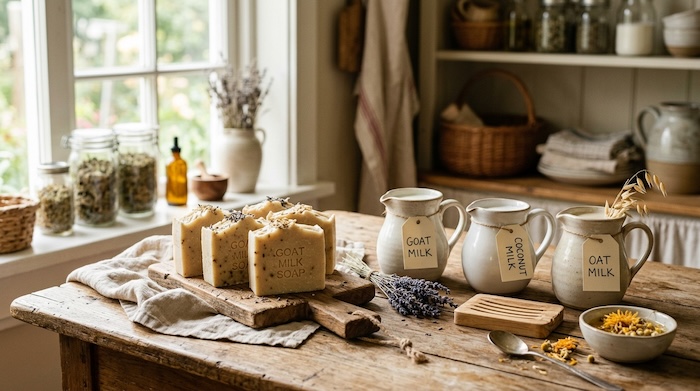
Milks and Creams in Cold Process Soap
Milk soaps are incredibly popular because they create creamy luxurious bars that feel gentle on the skin.
Popular milk additives include:
- goat milk
- coconut milk
- oat milk
- almond milk
- heavy cream
Goat milk soap is especially well known for its creamy texture and rich lather.
Coconut milk tends to increase bubbles because of its fat content, while oat milk creates a soothing gentle bar that works nicely for sensitive skin.
Tips for Using Milk in Soap
Milk contains natural sugars, which means soap batter can heat up quickly during saponification.
To help avoid scorching:
- use frozen milk
- add lye slowly
- soap at lower temperatures
- avoid heavy insulation
I usually freeze milk into cubes before mixing the lye solution. This keeps the soap lighter in color and helps prevent overheating.
If you’re making milk soap regularly, having good equipment makes a huge difference. I recommend:
You may also want to read my guide on How To Use A Soap Lye Calculator Safely before adjusting milk soap recipes.
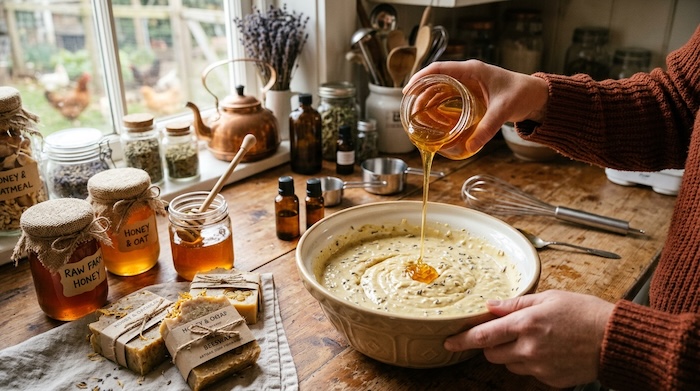
Using Honey and Sugar in Cold Process Soap
Sugar is one of the easiest ways to improve lather in handmade soap.
Even small amounts can noticeably increase bubbles.
Popular options include:
- white sugar
- brown sugar
- molasses
- honey
Honey is especially popular because it:
- boosts bubbles
- acts as a humectant
- adds skin-loving properties
- creates a luxurious feel
I usually keep honey around 1/2 teaspoon per pound of oils. Too much honey can cause overheating or cracking in the mold.
One mistake I made early on was insulating a honey soap too heavily. The batch overheated badly and cracked right down the center.
Now I usually:
- soap cooler
- reduce insulation
- refrigerate honey soaps briefly if needed
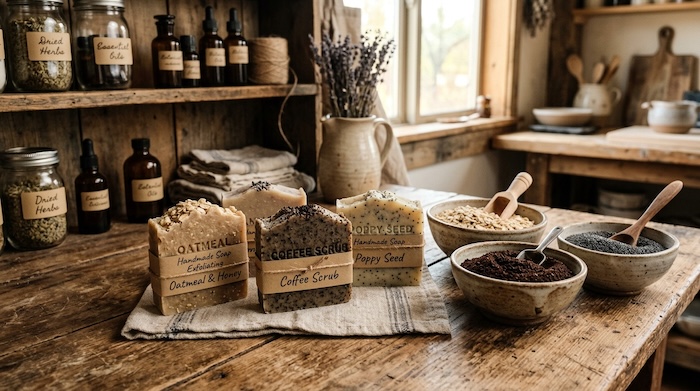
id=”exfoliants-coffee-oatmeal-seeds-more”>Exfoliants: Coffee, Oatmeal, Seeds & More
Natural exfoliants add texture and help create hardworking bars for hands or body care.
Some common exfoliants include:
- ground oatmeal
- coffee grounds
- poppy seeds
- jojoba beads
- apricot shell powder
- pumice
- shredded loofah
Oatmeal
Ground oatmeal is one of my favorite beginner additives because it’s:
- inexpensive
- gentle
- easy to use
- soothing on skin
Finely ground oatmeal creates a creamy mild exfoliation that works well in facial or sensitive skin bars.
Coffee Grounds
Coffee grounds create a stronger scrub and are popular in gardener’s soaps or kitchen soaps.
Coffee soap is great for removing:
- dirt
- grease
- strong cooking odors
You can also see how I use coffee in my Coffee Soap Recipe.
Seeds and Scrubs
Poppy seeds and jojoba beads work nicely when you want lighter exfoliation without harsh scratching.
For heavier scrubs, some soap makers use pumice or salt, although too much can make bars crumbly.
I’ve learned it’s better to start small with exfoliants because overdoing them can make the soap uncomfortable to use.
You can find colloidal oatmeal and other natural exfoliants online fairly easily.
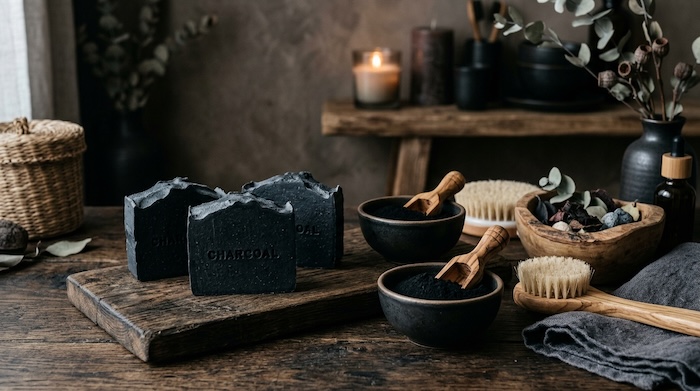
Activated Charcoal in Soap
Activated charcoal has become extremely popular in handmade soap, especially facial bars.
Activated charcoal:
- creates dramatic black coloring
- absorbs oils
- offers gentle exfoliation
- works well for oily skin
I usually premix charcoal with oil before adding it to soap batter because it’s incredibly messy otherwise.
A little goes a very long way. Around 1 teaspoon per pound of oils usually creates a deep charcoal gray or black.
Too much charcoal can:
- stain washcloths
- darken lather
- make soap feel drying
Make sure you’re using cosmetic or food-grade activated charcoal powder, not charcoal meant for grilling.
You can also see how I use charcoal in my Activated Charcoal Soap Recipe.
Additives That Accelerate Trace
Some additives will make your soap thicken up (or “trace”) much faster than expected. Clays, aloe vera, honey, and sugar all tend to speed things up. Essential oils like cinnamon or clove are also known for making soap batter thicken quickly.
If I’m planning to use these additives, I keep my lye and oils on the cooler side and stick to simple swirl or in-the-pot designs that don’t require loads of time to pour.
Mixing clay with some of your base oils before adding it to the soap is a good trick for a more even blend and less sudden thickening.
Additives That Cause Discoloration
Some natural ingredients (or even fragrance oils) can make your soap end up darker than expected. Honey, vanilla fragrance, cinnamon, or cocoa powder will usually turn soap beige to brown, even if the batter starts out creamy white.
Some botanicals like lavender buds can also turn brown because of the high pH in soap.
If you use milk, your bars may end up light caramel rather than bright white, especially if temperatures get too warm during saponification.
This isn’t necessarily bad, but it’s important to plan for it if you’re aiming for a specific color palette or swirl design.
Beginner Tips for Using Additives Safely
If you’re new to additives, keep things simple at first.
I always recommend beginners start with:
- kaolin clay
- oatmeal
- calendula petals
- French green clay
These additives are forgiving and easy to work with.
A few important tips:
- measure by weight
- premix powders
- use cosmetic-grade ingredients
- avoid fresh fruits or herbs
- test small batches first
Fresh ingredients often introduce too much moisture and may mold inside cured soap.
Always keep good notes about:
- usage rates
- temperatures
- scent behavior
- discoloration
- trace speed
Those notes become incredibly valuable later.
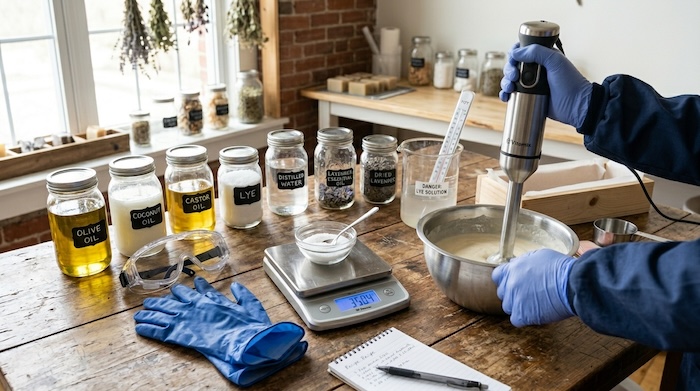
For safety gear, I recommend:
If you’re new to handling lye, read my post on What To Do If Lye Touches Skin.
Usage Rate Chart for Soap Additives
| Additive | Recommended Usage | Notes |
|---|---|---|
| Kaolin Clay | 1–2 tsp PPO | Gentle and silky |
| Bentonite Clay | 1 tsp PPO | Can accelerate trace |
| French Green Clay | 1–2 tsp PPO | Natural green color |
| Honey | 0.5–1 tsp PPO | Boosts bubbles |
| Sugar | 1 tsp PPO | Improves lather |
| Oatmeal | 1–2 tbsp PPO | Gentle exfoliation |
| Coffee Grounds | 1–2 tsp PPO | Great for scrub bars |
| Activated Charcoal | 0.5–1 tsp PPO | Deep black color |
| Dried Botanicals | 1–2 tbsp PPO | Decorative and textured |
PPO = Per Pound of Oils
Troubleshooting Soap Additives
Things don’t always go as planned. Sometimes additives can cause soap to seize (harden too fast), become crumbly, or develop spots of undissolved powder.
If your soap thickens too quickly:
- work with cooler temperatures
- premix powders
- avoid over blending
- keep designs simple
If your soap turns crumbly:
- reduce clay amounts
- reduce exfoliants
- slightly increase water next batch
If you notice odd smells or mold:
- avoid fresh botanicals
- use fully dried herbs
- store ingredients properly
For sticky soap, you may have added too much sugar or honey. Reducing the amount slightly next batch usually solves the issue.
Best Beginner Additives for Cold Process Soap
If you’re just starting out, I always suggest working with:
- kaolin clay
- ground oatmeal
- calendula petals
- goat milk
- turmeric
- French green clay
These are beginner friendly, easy to source, and generally very forgiving.
Using goat milk or coconut milk is another great introduction to luxury soap making. Just go slowly when combining milk with lye.
You can also experiment with turmeric or French green clay for natural coloring before moving on to more advanced swirl techniques.
id=”frequently-asked-questions”>Frequently Asked Questions
Can I use fresh herbs or fruit in cold process soap?
Fresh ingredients often contain too much moisture and may mold during cure. Dried herbs and powdered ingredients are much safer.
What additives make soap harder?
Clays, sodium lactate, and some salts can help harden soap bars.
What additives increase lather in soap?
Sugar, honey, coconut milk, and castor oil can all help improve bubbles.
What clays are best for soap making?
Kaolin clay is excellent for beginners, while French green clay and rhassoul clay are popular for luxury soap bars.
Will additives reduce lather?
Heavy amounts of clay or powders can reduce bubbles slightly, although honey and sugar help balance things out.
Do I need to adjust my lye calculations for additives?
Sometimes. Milk or purees replace part of the water amount. Powders usually don’t affect lye calculations. Always run recipes through a reliable soap calculator.
How should I store soap with natural additives?
Store cured soap in a cool dry place with good airflow. Avoid airtight containers until the bars are fully cured.
Once you get comfortable using additives, you can start experimenting with more advanced soap designs, natural color swirls, and specialty recipes. You may also enjoy my posts on Activated Charcoal Soap Recipe, Coffee Soap Recipe, Using Natural Colors in Soap, and Natural Soap Coloring Ideas Using Spices, Herbs, Clays and Plant Powders.
Natural additives bring a personalized, hands-on touch to cold process soap making. Experiment with what sounds exciting to you and tweak each batch to suit your skin or design style. Careful measuring, solid research, and a willingness to try new things will help you create soap bars you’ll truly be proud of.
Disclosure
The information provided on this website is for educational purposes only and should not be considered professional advice. Always practice proper safety when making soap or skincare products.
This post may contain affiliate links. As an Amazon Associate, I earn from qualifying purchases at no additional cost to you.
© 2026, Tes. All rights reserved.