Seizing is the point where soap batter goes from fluid to stiff in seconds, usually while you are still blending, pouring or adding fragrance.

Natural Soap Making Recipes, Tutorials & Ingredient Guides
Clear answers to common soap making questions, safety concerns, terminology, and troubleshooting — designed to help beginners gain confidence and avoid mistakes.
Seizing is the point where soap batter goes from fluid to stiff in seconds, usually while you are still blending, pouring or adding fragrance.
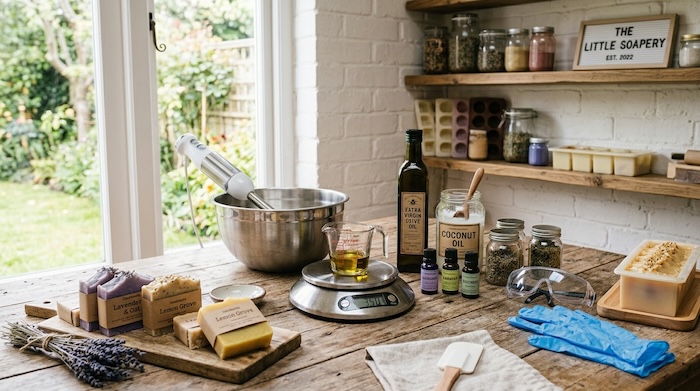
If you’re just getting started making soap, you’re probably discovering that there is a lot more to it than simply mixing a few ingredients together. I remember making my first batch and feeling completely overwhelmed. There were questions about lye, oils, curing times, fragrances, temperatures, and what seemed like endless conflicting advice online. The good…
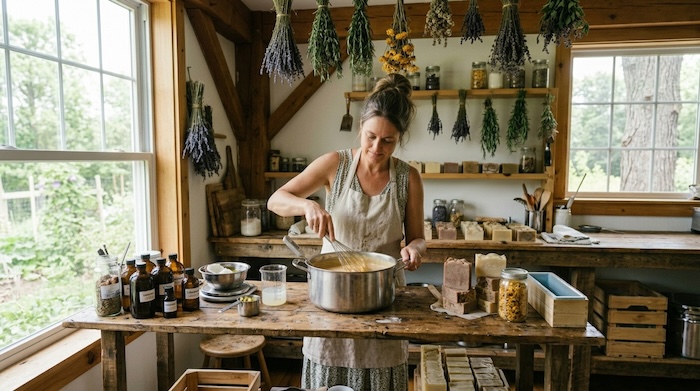
If you’ve spent any time reading soap recipes, you’ve probably come across the phrase “bring the soap to trace.” For new soap makers, trace can seem confusing. How do you know when you’ve reached it? What does it look like? And why is it so important? Learning to recognize trace is one of the most…
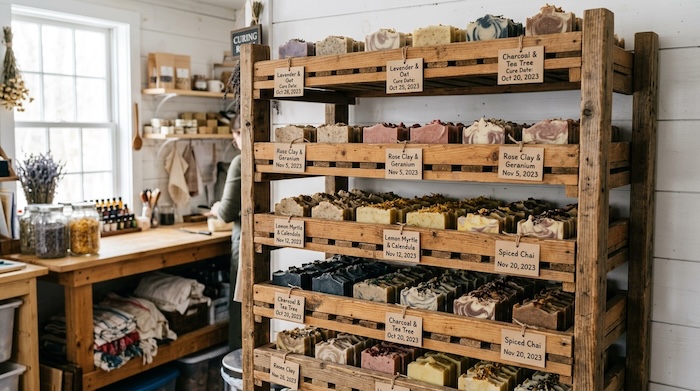
One of the most common questions new soap makers ask is: “How long should handmade soap cure before I can use it?” The short answer is that most cold process soap should cure for 4 to 6 weeks. However, the real answer depends on the recipe, water content, oils used, humidity, and the quality of…
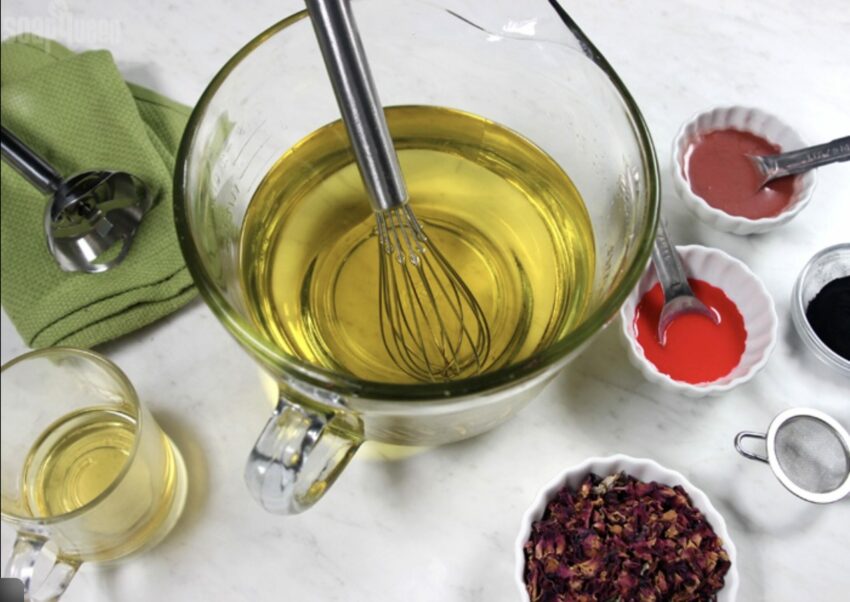
A beginner-friendly guide to accurate, confident cold process soap making Using a soap lye calculator is one of the most important safety steps in soap making. Whether you’re brand new or refining your recipes, a lye calculator ensures the correct amount of sodium hydroxide (NaOH) is used so your soap is safe, balanced, and skin-friendly….
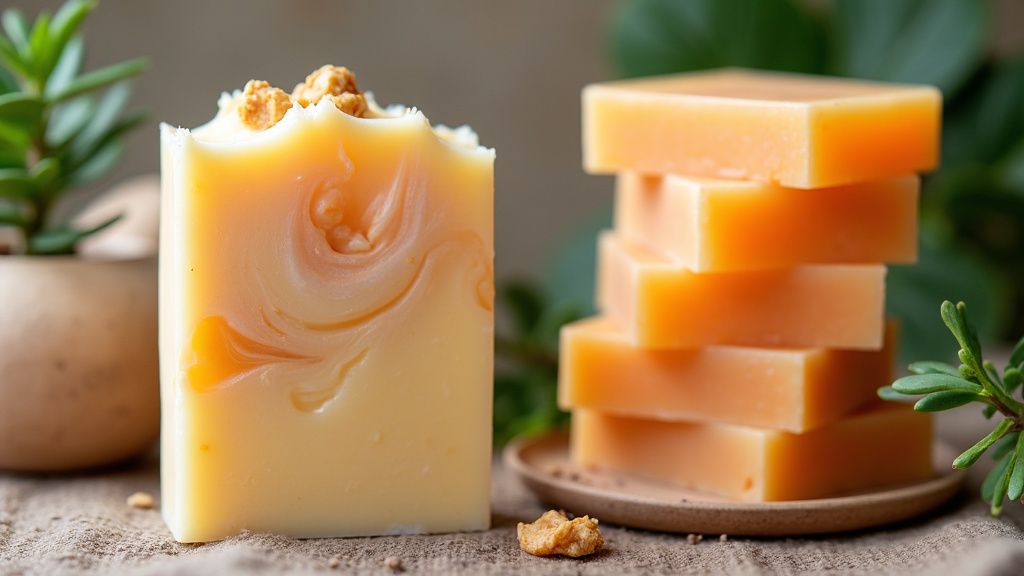
Comparing handcrafted soap to commercial soap opens up a whole world of choices. Both options get you clean, but they do so with very different ingredients, production methods, and results. If you’re standing in the soap aisle or scrolling through handmade selections online, trying to pick between the two, this guide covers everything you need…
What is superfatting soap? It is about making the soap a little more moisturizing. In theory, the extra oils added at the end, at trace, will be less saponified by the lye and create free-floating oil in the soap that you can feel. I tested this by separating a soap I just made, putting half…
What Do Lye Spots and Lye Pockets Look Like in Soap? Discovering unexpected white spots or liquid pockets when cutting into a fresh loaf of soap can be alarming — especially when the soap looked perfect on the outside. The good news? This is a common soap-making issue, especially for beginners, and understanding what you’re…
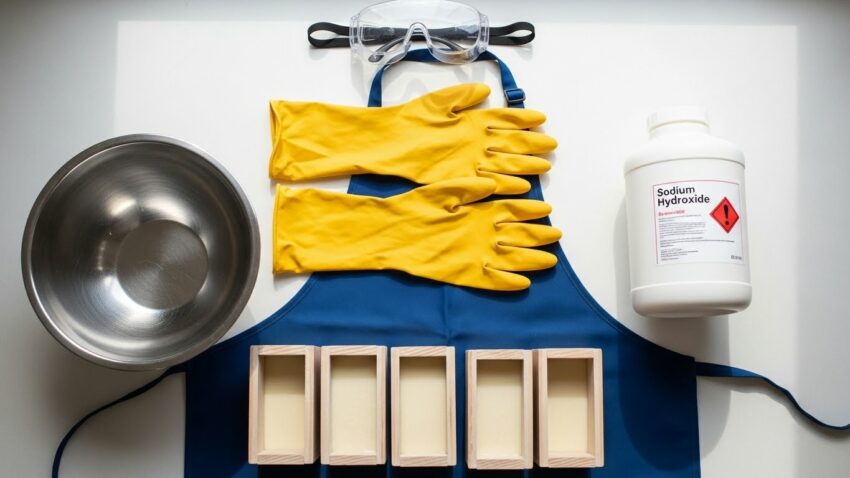
Working with sodium hydroxide (lye) is a normal part of cold process soap making, but accidents can happen — even to experienced soap makers. Lye is a highly caustic substance, and knowing exactly what to do if it touches your skin can prevent serious burns and long-term damage. While lye burns can be serious, prompt…
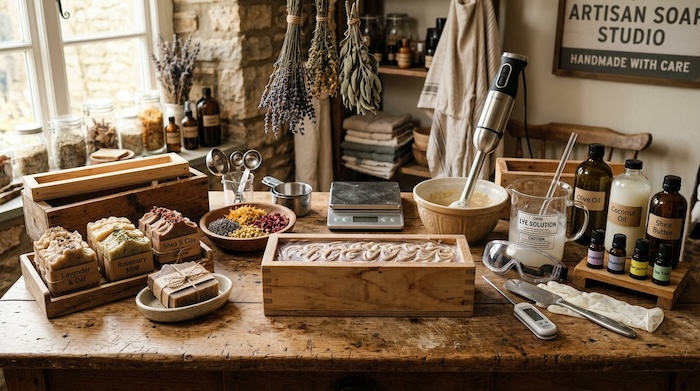
If you’re new to soap making, some of the terminology can feel overwhelming at first. When I first started making cold process soap, I remember reading recipes filled with abbreviations like CP, HP, EO, FO, trace, gel phase, and superfatting — and having no idea what half of them meant. This beginner-friendly soap making glossary…