updated 2026
Overview: What Is Lemongrass Essential Oil?
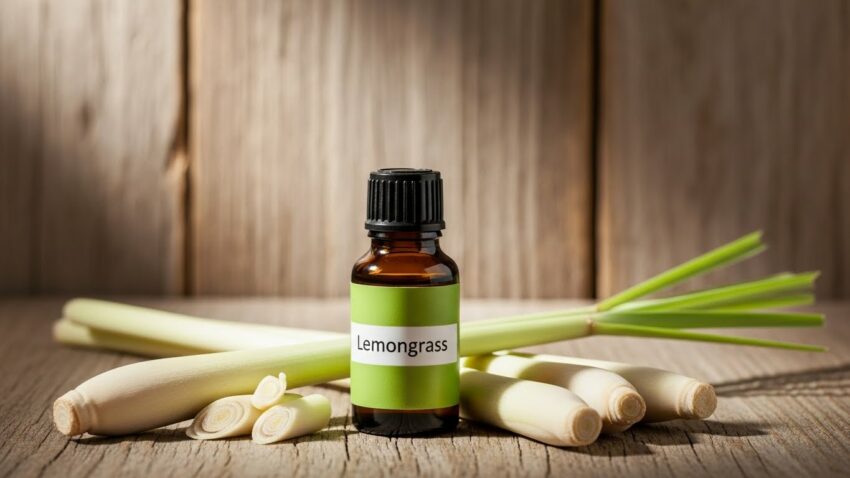
Lemongrass essential oil is a bright, citrusy oil known for its cleansing, deodorizing, and refreshing properties. With its crisp lemon-like aroma, lemongrass has long been used to support skin clarity, natural cleaning, digestive comfort, and handcrafted soap making.
Because of its strong scent and versatility, lemongrass essential oil is especially popular in soap, shampoo bars, natural deodorants, foot care products, and household cleaning blends. It is a favorite among soap makers who want a fresh, long-lasting citrus aroma without rapid scent fade.
Choose a high-quality lemongrass essential oil from a reputable supplier for best results.
Botanical Source of Lemongrass Essential Oil
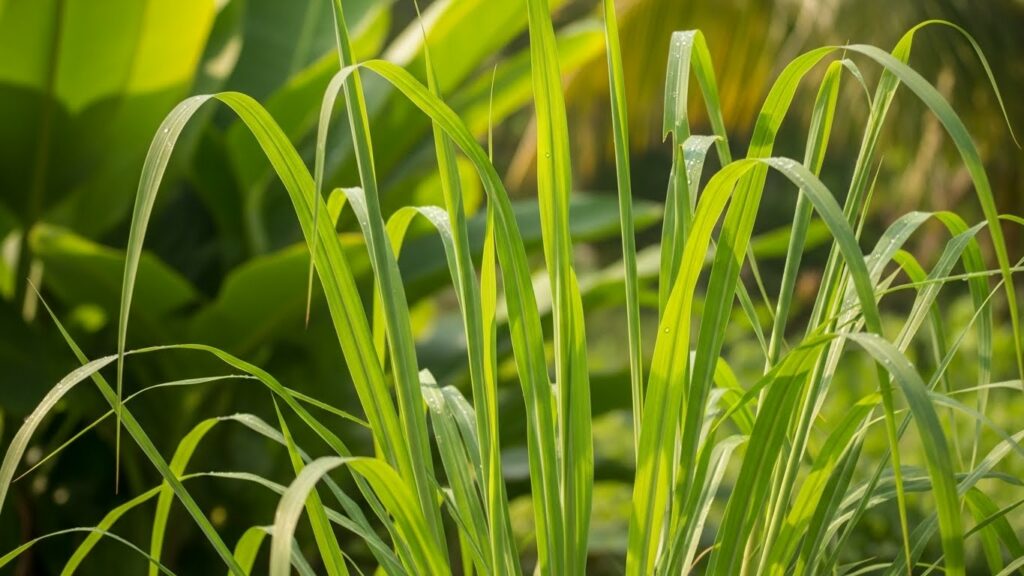
Lemongrass essential oil is steam distilled from the leaves and stalks of lemongrass plants, most commonly:
-
Cymbopogon citratus
-
Cymbopogon flexuosus
Lemongrass is native to tropical regions of Asia and is widely cultivated around the world for culinary and aromatic use.
How Lemongrass Essential Oil Is Made

Lemongrass essential oil is extracted through steam distillation of fresh or partially dried lemongrass leaves. The process produces a thin, pale yellow oil with a sharp, lemony aroma that is stronger and more herbaceous than lemon essential oil.
High-quality lemongrass oil should smell clean, bright, and citrusy — not musty or overly grassy.
Aroma Profile & Emotional Benefits
Lemongrass essential oil has a strong, fresh, lemon-herb scent that is uplifting and energizing.
It is commonly used to:
-
Refresh and energize the mind
-
Reduce mental fatigue
-
Promote alertness and focus
-
Create a clean, fresh-smelling environment
Because of its strength, lemongrass is often blended with softer oils to balance its intensity.
Top Benefits of Lemongrass Essential Oil
Lemongrass essential oil is valued for its naturally supportive properties:
-
Strong cleansing and deodorizing action
-
Supports oily and congested skin
-
Commonly used in foot and body care
-
Helps neutralize odors
-
Popular in natural cleaning blends
Its fresh scent and effectiveness make it a practical everyday oil.
Lemongrass Essential Oil for Skin Care
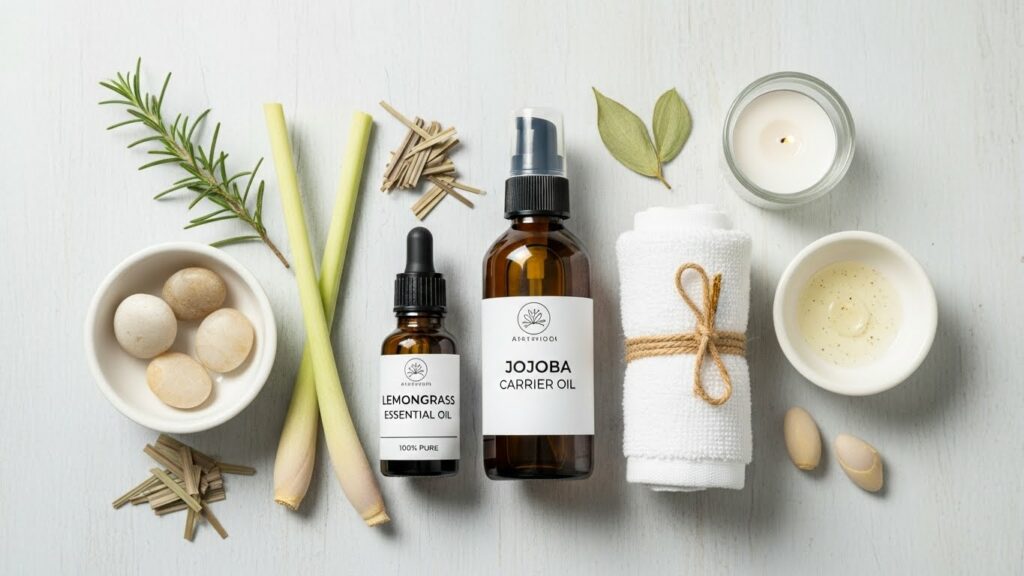
Lemongrass essential oil is often used in skincare products designed for oily or blemish-prone skin:
-
Helps tone and clarify skin
-
Supports oily skin balance
-
Used in cleansers, toners, and body products
-
Popular in foot care and deodorizing blends
Lemongrass essential oil should always be diluted in a carrier oil such as jojoba oil or sweet almond oil before skin use.
Because lemongrass is potent, it must always be properly diluted before skin use.
👉 See Essential Oil Dilution Chart for safe dilution guidelines.
Lemongrass Essential Oil for Hair & Scalp Health
Lemongrass essential oil can be used in hair and scalp formulations:
-
Helps reduce scalp odor
-
Supports scalp freshness and balance
-
Common ingredient in shampoo bars
-
Often blended with rosemary or tea tree for scalp care
Lower dilution rates are recommended due to its strength.
Many people mix lemongrass essential oil in a small glass dropper bottle or roller bottle for easy application.
🧼 Using Lemongrass Essential Oil in Soap Making
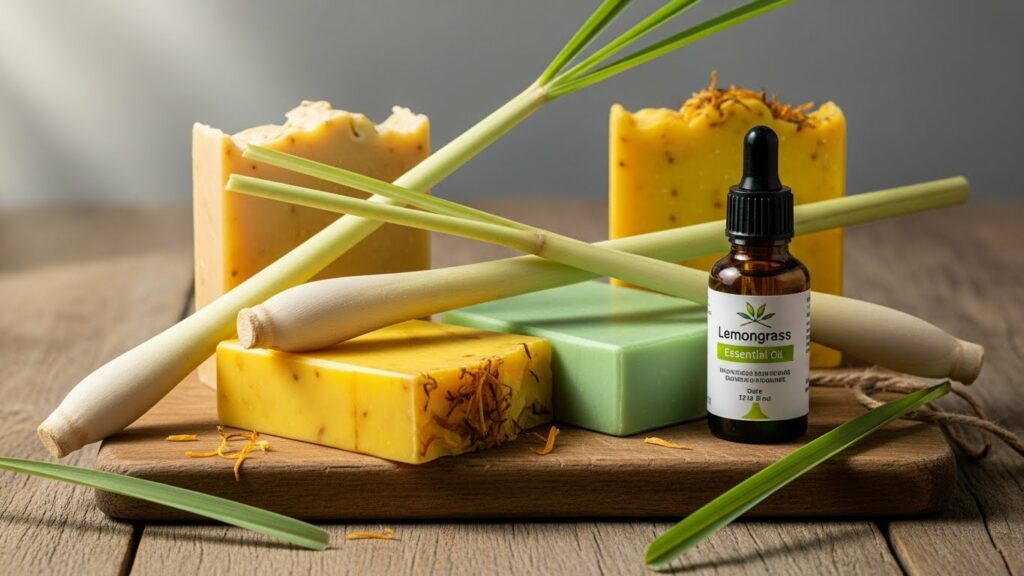
Lemongrass essential oil is extremely popular in cold process soap making because it holds its scent better than many citrus oils. Its clean, lemony aroma remains noticeable even after curing.
Lemongrass works beautifully on its own or blended with grounding oils such as cedarwood or patchouli to add depth and longevity.
Lemongrass essential oil is especially well suited for:
-
Deodorizing soaps
-
Foot and body bars
-
Kitchen and gardener’s soaps
-
Shampoo and scalp bars
Soap makers appreciate lemongrass for its low acceleration risk and strong scent retention.
Soap Maker Notes:
-
Scent strength: Strong
-
Acceleration risk: Low
-
Discoloration: None
-
Blends well with: Cedarwood, Patchouli, Lavender, Tea Tree, Rosemary
Accurate formulation requires a digital gram scale when using essential oils in soap making.
👉 If you’re new to scenting soap, see How to Scent Soap Naturally and Essential Oils vs Fragrance Oils.
Respiratory & Wellness Uses
Lemongrass essential oil is sometimes used in wellness routines:
-
Added to diffuser blends for freshness
-
Used to help neutralize odors
-
Often blended with eucalyptus or peppermint
It is more commonly used for environmental freshness than respiratory relief.
Historical Uses of Lemongrass Essential Oil
Lemongrass has a long history of traditional use:
-
Used in Asian cultures for cleansing and cooking
-
Traditionally added to bathing water
-
Used to freshen living spaces
-
Valued for its refreshing aroma and versatility
Its practical nature has made it a household staple in many regions.
How to Use Lemongrass Essential Oil Safely
-
Always dilute before applying to skin
-
Perform a patch test before first use
-
Avoid use on sensitive or broken skin
-
Not recommended for use on children without professional guidance
-
Keep out of reach of children
👉 See Essential Oil Dilution Chart and How to Use Essential Oils Safely at Home.
Essential Oils That Blend Well With Lemongrass
Lemongrass blends especially well with:
-
Cedarwood
-
Patchouli
-
Lavender
-
Tea Tree
-
Rosemary
These blends are popular in soap making and natural cleaning products.
Frequently Asked Questions About Lemongrass Essential Oil
Is lemongrass essential oil good for soap making?
Yes, it holds scent exceptionally well and is widely used in cold process soap.
Can lemongrass be used on skin?
Yes, but only when properly diluted.
Is lemongrass a true citrus oil?
No. It has a citrus scent but comes from a grass, not citrus peel.
Does lemongrass help with odor control?
Yes, it is commonly used in deodorizing products.
Final Thoughts
Lemongrass essential oil is a bright, powerful oil that brings freshness and practicality to natural living. From soap making to skincare and cleaning blends, its clean citrus aroma and strong performance make it a must-have oil for makers.
Store essential oils in dark amber glass bottles away from heat and light.
This post may contain affiliate links. If you make a purchase through these links, I may earn a small commission at no extra cost to you.
© 2023 – 2026, Tes. All rights reserved.