updated 2026
Essential oils are powerful plant extracts that have been used for centuries for cleaning, personal care, and aromatherapy. While they are natural, they are also highly concentrated — which means they must be used correctly and safely.
When diluted and applied properly, essential oils can be a wonderful addition to natural soap making, household cleaning, and wellness routines. However, improper use can cause skin irritation, allergic reactions, or other unwanted effects.
This guide explains how to use essential oils safely at home, including proper dilution, who should avoid certain oils, and how to use them responsibly in soap making, cleaning, and aromatherapy.
Table of Contents
- What Are Essential Oils?
- Why Essential Oil Safety Matters
- Essential Oil Dilution Basics
- Always Do a Patch Test
- Who Should Be Cautious With Essential Oils
- Using Essential Oils Safely in Soap Making
- Using Essential Oils for Hair Care
- How to Use Essential Oils for Natural Cleaning
- Essential Oils for Laundry & Odour Control
- Essential Oils FAQ
What Are Essential Oils?
Essential oils are concentrated liquids extracted from plants, including flowers, leaves, bark, roots, and peels. They contain the natural aromatic compounds that give plants their scent and protective properties.
Because essential oils are highly concentrated, a single drop can equal pounds of plant material. This concentration is what makes them effective — and why they must be diluted before use.
When used correctly, essential oils can reduce reliance on some synthetic fragrances and cleaners in everyday home routines.
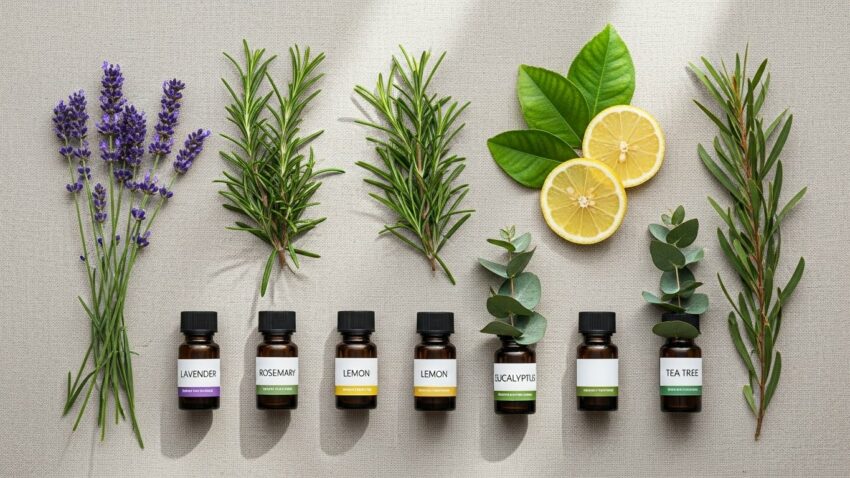
If you’re just getting started, a small essential oil starter set can be a practical way to experiment without buying individual bottles. Look for sets that include popular oils like lavender, lemon, tea tree, peppermint, and eucalyptus, and make sure they are labeled as 100% pure essential oils with no synthetic additives.
Why Essential Oil Safety Matters
Many people assume essential oils are harmless because they are natural. In reality, improper use can cause:
-
Skin irritation or burns
-
Allergic reactions
-
Headaches or nausea
-
Sensitivity reactions in children or pets
Safe use comes down to proper dilution, correct application, and knowing when not to use an oil at all.
Essential Oil Dilution Basics
Essential oils should almost always be diluted in a carrier oil, soap base, or cleaning solution before use on skin.
General dilution guidelines:
-
Adults: 1–2% dilution
-
Sensitive skin: 0.5–1%
-
Children: 0.25–0.5%
-
Face products: 0.25–0.5%
What this means in real terms:
-
1% dilution = 6 drops essential oil per 1 ounce (30 ml) carrier oil
-
2% dilution = 12 drops per 1 ounce carrier oil
In soap making, essential oils are calculated based on oil weight, not water weight, and must stay within recommended usage rates for each oil.
Always Do a Patch Test
Before using any new essential oil on your skin, perform a patch test:
Dilute the oil properly
Apply a small amount to the inside of your elbow
Wait 24 hours
If redness, itching, or irritation occurs, discontinue use.
Who Should Be Cautious With Essential Oils
Essential oils may not be suitable for everyone.
Use extra caution or avoid essential oils if you are:
-
Pregnant or breastfeeding
-
Using oils on babies or young children
-
Sensitive to fragrances
-
Living with pets (especially cats and birds)
-
Managing asthma or respiratory conditions
Some essential oils should never be used around babies, and others must be avoided around pets. Always research individual oils before use.
Using Essential Oils Safely in Soap Making
Essential oils are commonly used to scent handmade soap, but they must be used correctly.
Soap makers should:
Follow maximum usage rates for each essential oil
Measure oils by weight, not drops
Avoid oils that are unsafe for skin contact
Understand that some oils fade or accelerate trace
Not all essential oils behave the same in cold process soap, and some are better suited than others.
h2 id=”essential-oils-hair-care”>Using Essential Oils for Hair Care
Two of the most popular essential oils for hair are lavender and rosemary.
Lavender is one of the most popular essential oils. It helps promote relaxation and reduce stress, while also being gentle enough to support healthy hair growth. Rosemary works similarly by stimulating circulation, which benefits both mental focus and scalp health.
When using essential oils for hair or scalp care, always dilute them with a carrier oil such as jojoba, coconut, or sweet almond oil. Undiluted essential oils can irritate the scalp, especially with frequent use.
Lavender Essential Oil for Hair
-
Promotes relaxation and stress reduction
-
Gentle enough for regular use
-
Supports healthy hair growth
-
Helps soothe dry or irritated scalps
Lavender oil is especially useful for people experiencing hair thinning due to stress.
Many people keep a small bottle of lavender essential oil and a glass dropper bottle on hand to make quick scalp blends or calming hair treatments as needed.
Rosemary Essential Oil for Hair
-
Stimulates blood circulation to the scalp
-
Encourages hair growth
-
Helps improve focus and mental clarity
Many people use rosemary oil in scalp sprays or diluted in carrier oils for massage.
Essential oils are not limited to personal care — many people also use them throughout the home for cleaning and deodorizing.
How to Use Essential Oils for Natural Cleaning
To make your own essential oil cleaning blends, a few basic tools make the process easier and more accurate. Reusable glass spray bottles and simple measuring tools help ensure proper dilution and safe use.
Essential oils aren’t just pleasant-smelling — many have powerful disinfecting properties. They offer a natural alternative to harsh chemical cleaners.
Best Essential Oils for Cleaning
-
Lemon
-
Tea Tree
-
Peppermint
-
Rosemary
-
Eucalyptus
-
Lavender
These oils help fight bacteria, viruses, mold, and odors — naturally.
Essential Oils for Cleaning
- Essential oils such as lemon, tea tree, eucalyptus, and lavender are often added to homemade cleaning solutions for their fresh scent and natural cleansing properties.
- These oils should be diluted properly and never mixed with harsh chemicals like bleach or ammonia.
Lemon Essential Oil Uses
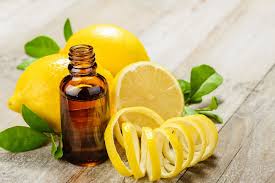
Lemon essential oil is prized for its bright, uplifting scent and powerful natural cleansing abilities. Extracted from fresh lemon peels, this oil contains strong antibacterial, anti-fungal, and antiviral compounds that make it especially useful throughout the home.
Its fresh aroma also helps neutralize odors rather than simply masking them, which is why it’s often used in kitchens, laundry rooms, and cleaning routines.
Lemon oil is particularly effective at cutting through grease, sticky buildup, and residue left behind by labels or adhesives. Because it evaporates quickly and leaves a clean scent behind, it’s ideal for wiping down surfaces, refreshing the air, or adding to DIY cleaning blends.
Uses include:
-
Natural antiseptic, antifungal, and antiviral cleaning
-
Cutting through grease and grime on counters and stovetops
-
Removing sticky residue from jars and labels
-
Lifting crayon marks from walls and hard surfaces
-
Freshening kitchen surfaces and indoor air
Simply apply a few drops to a damp cloth or dilute in water for a simple, effective natural cleaner.
Tea Tree Essential Oil Uses
Tea tree essential oil is one of the most powerful natural disinfectants available. Steam-distilled from the leaves of the Melaleuca tree, it has been used for generations to combat bacteria, fungi, and viruses.
Its strong medicinal scent is a sign of its potency, making it especially useful in areas where sanitation matters most.
This oil excels in bathrooms, kitchens, and damp areas prone to mold and mildew. Beyond household cleaning, tea tree oil is also valued for gentle skin support when properly diluted, making it a versatile oil to keep on hand.
Uses include:
-
Natural disinfectant spray for kitchens and bathrooms
-
Mold and mildew prevention in damp areas
-
Gentle treatment for minor cuts and scrapes (when diluted)
-
Added to baking soda for a natural scrubbing paste
-
All-purpose surface cleaner when mixed with water
A few drops in water creates an effective, chemical-free cleaner for everyday use.
Tea tree oil is often combined with simple pantry ingredients like baking soda to create effective natural scrubs and deodorizers.
Peppermint Essential Oil Uses
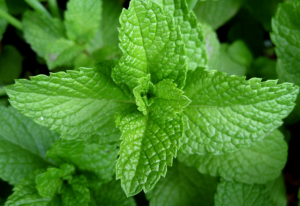
Peppermint essential oil is known for its crisp, cooling aroma and energizing effects.
It stimulates the senses, supports mental clarity, and provides a refreshing boost when inhaled.
Because of its strong scent, peppermint is also highly effective for odor control and pest deterrence.
In addition to household uses, peppermint oil is commonly used for physical comfort.
When properly diluted, it can help ease tension, support respiratory comfort, and create a cooling sensation that many people find soothing.
Uses include:
-
Relieving nausea when inhaled
-
Reducing headache tension when diluted and applied to temples
-
Supporting comfort during times of physical discomfort when used properly
-
Naturally deterring mice, ants, spiders, and other pests
-
Eliminating odors in garbage bins and storage areas
Place peppermint oil on cotton balls in problem areas to discourage pests and freshen the space naturally.
Rosemary Essential Oil Uses
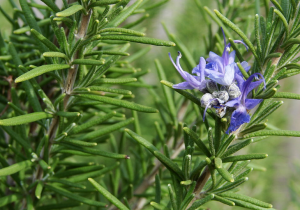
Rosemary essential oil is stimulating, clarifying, and invigorating.
Traditionally associated with memory and focus, this oil helps promote alertness while also offering antibacterial properties that make it useful for both personal care and household applications.
Because rosemary oil improves circulation, it is commonly used in hair and scalp treatments, as well as in sprays designed to freshen indoor air.
Its herbaceous scent is clean and energizing without being overpowering.
Uses include:
-
Encouraging mental focus and alertness
-
Antibacterial and antiseptic household spray
-
Supporting hair growth and scalp health
-
Reducing airborne bacteria when diffused or sprayed
A simple spray made with rosemary oil and water can help freshen rooms while supporting a healthier home environment.
Eucalyptus Essential Oil Uses
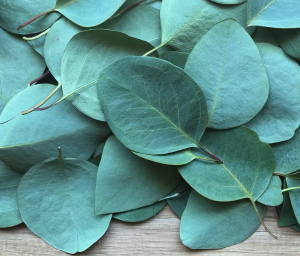
Eucalyptus essential oil is a powerful natural germicide with a fresh, camphor-like scent.
It’s especially valued for its ability to cleanse the air and support respiratory comfort.
This makes it a popular choice during cold and flu season or anytime indoor air needs refreshing.
In cleaning applications, eucalyptus oil breaks down grease and sticky substances while leaving behind a clean, crisp aroma.
It’s also useful in laundry rooms, workshops, and entryways where odours tend to linger.
Uses include:
-
Freshening indoor air (add to vacuum filters or diffusers)
-
Removing sticker residue from glass and hard surfaces
-
Breaking down grease, ink, and paint stains
-
Supporting respiratory comfort when diffused
Lavender Essential Oil Uses
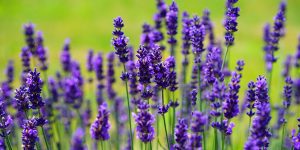
Lavender essential oil is one of the most widely used and versatile essential oils.
Known for its calming and soothing properties, lavender is gentle enough for daily use while still offering antibacterial and skin-supportive benefits.
Its floral scent blends well with many other oils, making it a favorite in DIY recipes.
Lavender is commonly used in both personal care and household routines. It helps create a relaxing atmosphere while also contributing to natural cleaning and deodorizing solutions.
Uses include:
-
Natural antibacterial and healing support
-
Calming and stress-reducing aromatherapy
-
Gentle skin care applications when diluted
-
Natural deodorizing blends
A combination of lavender and tea tree oil works exceptionally well as a natural deodorizer for rooms, shoes, and laundry areas.
Essential Oils for Laundry & Odour Control
Essential oils work best in laundry when paired with unscented products. Wool dryer balls are a popular alternative to chemical dryer sheets and can be scented naturally with a few drops of essential oil.
All of the oils mentioned above can be added to laundry soap to help eliminate odors and bacteria — leaving clothes naturally fresh without synthetic fragrances.
Learn More About Essential Oil Uses
These guides explore targeted essential oil uses in greater detail, including scalp health, skin conditions, and natural remedies.
For more detailed guides and recipes, explore the following resources:
Helpful Supplies for Using Essential Oils Safely
Keeping essential oils organized and stored properly helps maintain their potency and ensures safe daily use.
Read more here: Essential Oil Dilution Chart
Essential Oils FAQ
Q: What are essential oils used for?
A: Essential oils are commonly used for hair care, natural cleaning, aromatherapy, skin support, and household deodorizing when properly diluted.
Q: Are essential oils safe to use every day?
A: Many essential oils are safe for regular use when diluted correctly, but some oils require caution depending on skin sensitivity and application method.
Q: Can essential oils replace chemical cleaners?
A: Yes, many essential oils have antibacterial and antifungal properties that make them effective natural alternatives to chemical cleaners.
Important Note:
This information is for educational purposes only and is not intended as medical advice. Always consult a qualified professional if you have health concerns or conditions.
This post may contain affiliate links. If you make a purchase through these links, I may earn a small commission at no extra cost to you.
© 2017 – 2026, Tes. All rights reserved.