In the beginning of making soap, I started with an Olive, coconut, and palm oil soap recipe, which worked very well. Over the years and depending on supply deliveries, supplies on hand, environmentalism, and ingredient costs, I came up with 6 very tried and true soap recipes.

The only oil to not use in over 50% of total oils, is canola oil. Although canola oil is the oil of every single restaurant on the planet, it isn’t the best for soap, but only because of the reaction to the lye and the oxidation of the oils. This means that a canola oil-based soap will start getting brown discolored spots on the soap bars. This is too bad really, because the cheaper cost of the canola helps keep the price of your final product lower.
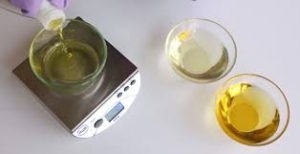
This makes about 25 4-ounce bars, so dividing it in half to make test batches would work well.
Olive, coconut, and palm oil:
- 51.2 oz Canola/Olive oil blend, or just Olive Oil
- 6.2 oz Coconut oil
- 6.2 oz Palm oil
- 23.4 oz water
- 8.6 oz lye crystals
- for a total of 95.6 oz of soap base
Directions for making soap
Before starting gather all the equipment and ingredients you will need for your soap
Mixing your ingredients:
- Put on your protective clothing, apron, safety goggles, gloves etc
- Measure your water and pour it into the container you will be using for your lye/water mix
- Measure out your lye (sodium hydroxide)
- Slowly add the lye to the water, stirring to be sure it mixes well. This should be done in a well-ventilated area as the fumes can be quite strong. This will only last for 15 seconds or so. Stir until the lye is completely dissolved in the water. It will heat up to about 180 degrees and can now be put aside to cool down.
- While the lye/water is cooling use a scale and measure each of your soap oils and put them into your stainless steel pot.
- Place this pot on your stove or hot plate and turn on low heat to approximately 130 degrees.
- Once the oils have heated to 130 degrees take off the stove or hot plate and let them cool down to about 100 degrees.
- When the lye/water mix and the oils are both cooled down to about 100 degrees they are ready to be mixed.
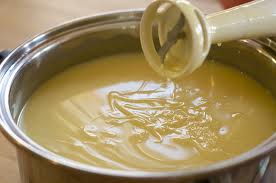
- Slowly add the lye/water mix to your soap oils and stir you can use a stick blender and hand mix. Mix the soap until it traces. This is when the soap begins to thicken; you can test this by using your spoon to drizzle the liquid into the pot. You will see a trace that stays on the surface of the soap mixture.
- Once the soap has traced this is the time to add your scent and color.
- Mix the scent and color in well
- Pour this mixture into the lined molds, cover it with a piece of cardboard or plastic, put it to bed (place a blanket over the soap mold), and let set for a day or two.
- Once it has sat for a day or two, remove the soap from the mold cut and put it out to cure for 4 to 6 weeks.
Here’s a nice and easy olive, coconut, and palm oil recipe to make, it’s one scent and one color, or skip the color – Lemongrass soap recipe.
#handmadesoap #naturalsoap #makingsoapnaturally #soapmaking #soapmaking #soaps #artisansoap #bathandbody #cpsoap #coldprocesssoap #etsy #soapbase #soapcrafter #soapmaker #soaping #soapcrafting #soaphandmade #soap #giftidea #christmas #barsoap #handmadesoap #natural #organic #skincare #coldprocess #soapsupplies #soaprecipes
© 2023, Tes. All rights reserved.