Seizing is the point where soap batter goes from fluid to stiff in seconds, usually while you are still blending, pouring or adding fragrance.

Natural Soap Making Recipes, Tutorials & Ingredient Guides
Seizing is the point where soap batter goes from fluid to stiff in seconds, usually while you are still blending, pouring or adding fragrance.
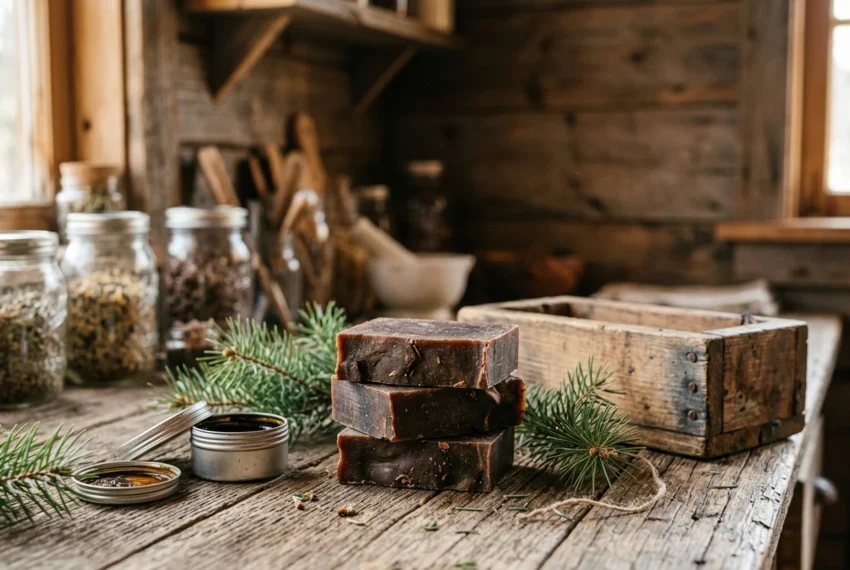
Pine tar soap is a cold process bar made with a small amount of pine tar, a dark, sticky, smoky-smelling byproduct of heating pine wood.
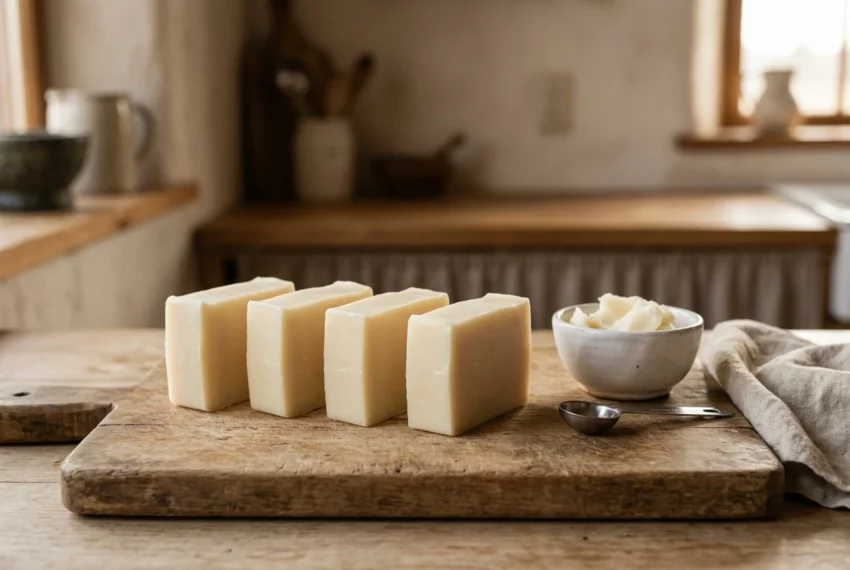
Tallow makes one of the oldest soaps there is: a hard, white, mild bar with a creamy lather.
If you’re just getting into cold process soap making, exploring additives is one of the best ways to customize your bars and make them truly unique. From silky goat milk to earthy clays or even a swirl of honey, the number of possibilities can feel almost endless. Over the years I’ve experimented with many different…
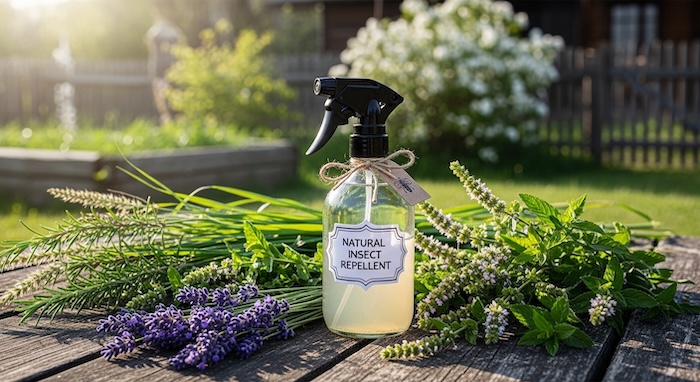
Spending time outside is one of the best parts of spring and summer—especially when you live a more off-grid or homesteading lifestyle. But mosquitoes, blackflies, and no-see-ums can make even the nicest evening miserable. Like many people, I used to rely on store-bought sprays. But most of them contain DEET, which—while effective—isn’t something I love…
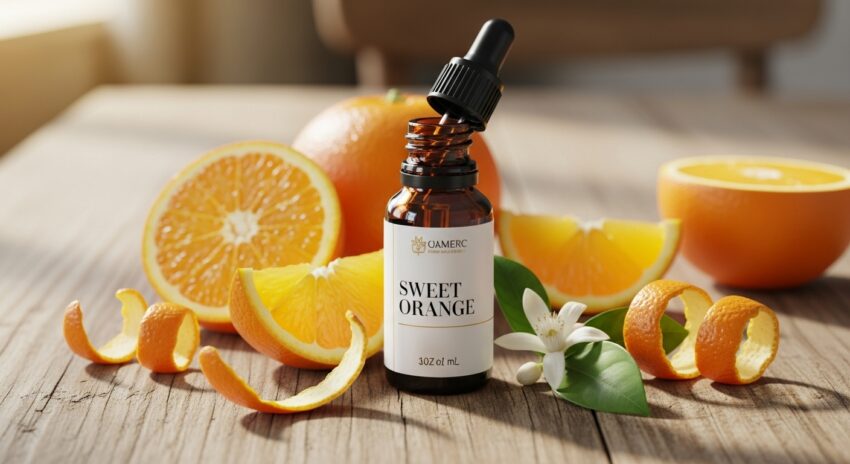
Overview: What Is Sweet Orange Essential Oil? Sweet Orange essential oil is a bright, cheerful citrus oil known for its ability to support uplifted mood, natural cleaning, fresh-smelling soaps, and everyday wellness. Cold-pressed from orange peels, it has a sweet, juicy aroma that is widely loved by both beginners and experienced essential oil users. Because…
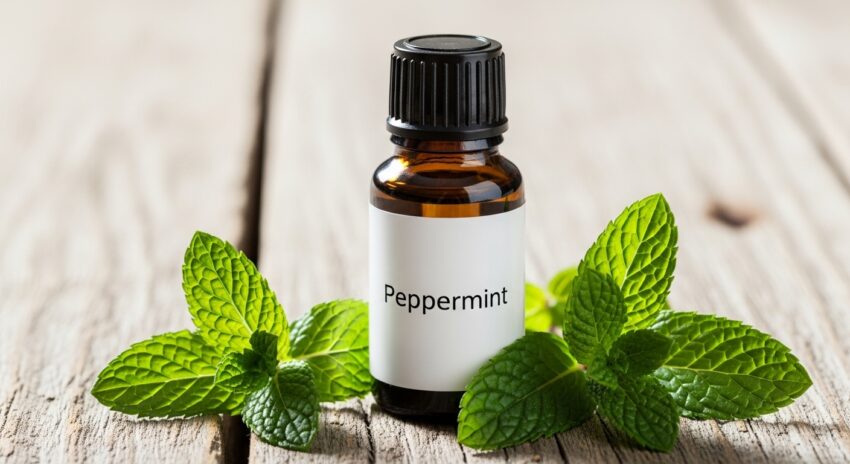
Overview: What Is Peppermint Essential Oil? Peppermint essential oil is a crisp, cooling oil known for its ability to support mental clarity, scalp health, muscle comfort, digestion, and natural cleansing. Its refreshing aroma and strong performance make it one of the most recognizable and widely used essential oils. Peppermint essential oil is especially popular in…
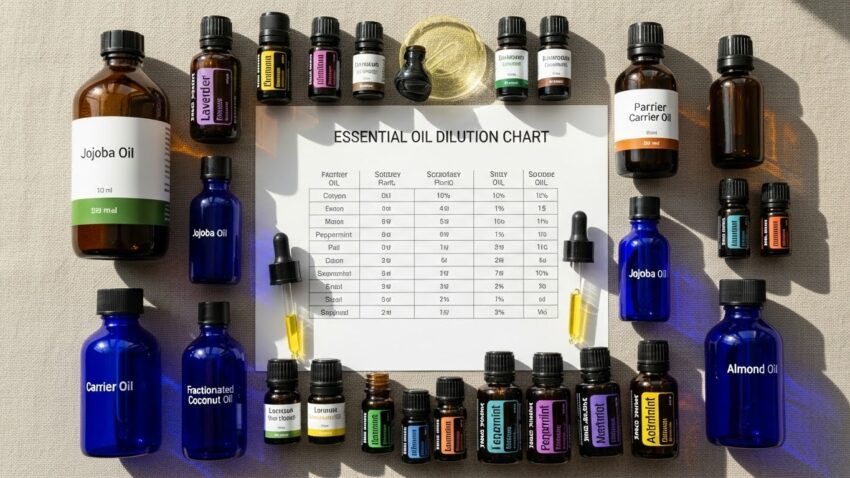
What Is Essential Oil Dilution? Essential oils are highly concentrated plant extracts. Proper dilution is essential for safe use, especially when applying oils to the skin, hair, or using them in soap making. Dilution means mixing essential oils with a carrier oil, base product, or soap formula to reduce the risk of irritation, sensitivity, or…
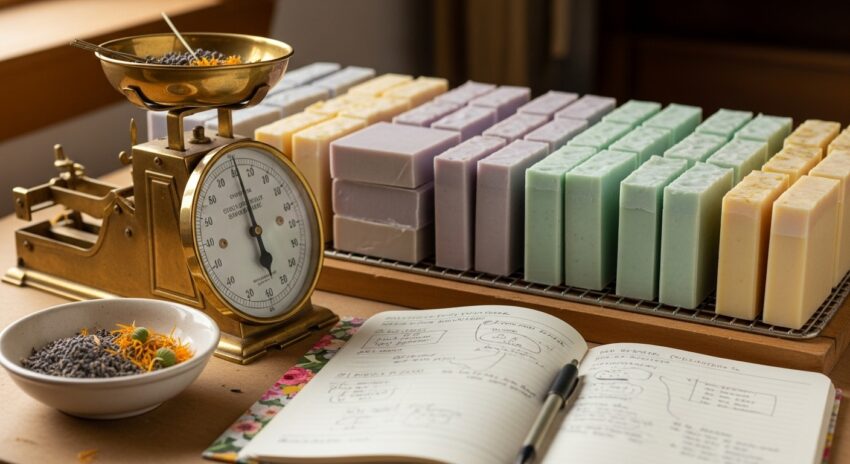
Cold Process Soap Making: A Beginner’s Guide to Making Soap From Scratch Making soap from scratch may seem intimidating at first, but cold process soap making is one of the most rewarding skills you can learn. It blends creativity with chemistry and gives you complete control over every ingredient that touches your skin — which…
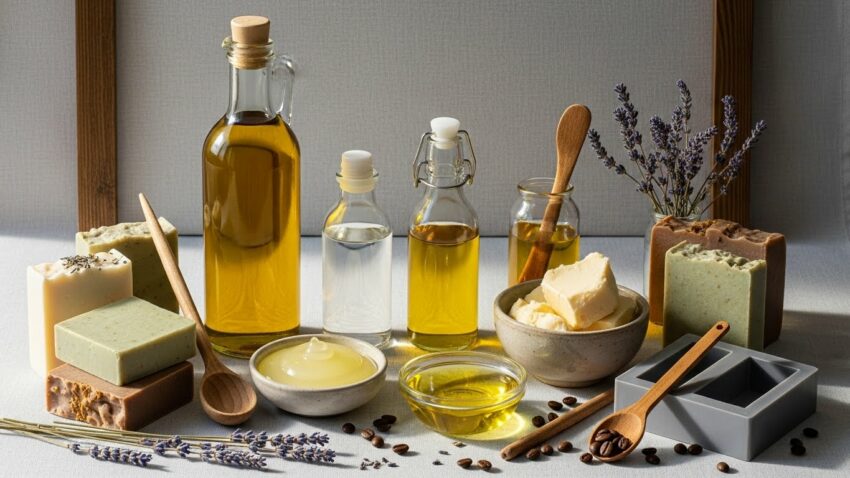
How Soap Making Oils Affect Hardness, Lather, and Skin Feel Soap making oils have different molecular compositions, and it’s these fatty acids that determine how a finished bar of soap performs. Hardness, lather, longevity, and skin conditioning all depend on the oils you choose and how you balance them. Once a soap maker understands how…