
Essential oils have been used for centuries in traditional wellness practices to support relaxation, emotional balance, and daily comfort. Extracted from plants, flowers, leaves, and resins, these concentrated plant oils form the foundation of aromatherapy — a gentle, sensory-based approach to supporting well-being.
When used properly, essential oils can be enjoyed through diffusion, diluted topical application, or as part of bath and body routines. Aromatherapy is commonly used to promote calm, improve focus, and create uplifting or grounding environments.
This guide explains:
-
-
What essential oils are
-
How aromatherapy supports wellness
-
Popular essential oils and traditional uses
-
Simple blends for everyday routines
-
Safe dilution and storage practices
-
📑 Table of Contents
Click a section below to jump directly to that topic.
- What Are Essential Oils?
- How Aromatherapy Supports Wellness
- Popular Essential Oils & Traditional Uses
- Essential Oil Blends for Everyday Use
- Choosing a Carrier Oil
- Proper Storage for Essential Oils
- Safety & Dilution Guidelines
- Final Thoughts
What Are Essential Oils?
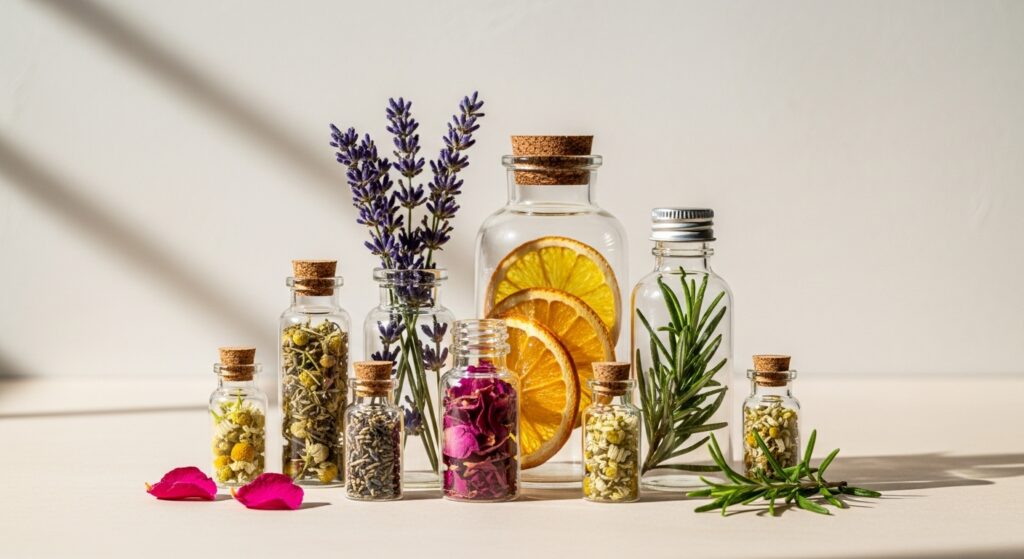
Essential oils are highly concentrated plant extracts that capture the natural aroma and characteristics of a plant. They are commonly used in aromatherapy to create calming, energizing, or balancing sensory experiences.
When used appropriately, essential oils may be described as:
-
-
-
Relaxing or calming
-
Energizing or refreshing
-
Supportive of focus and mental clarity
-
Enjoyable as part of self-care routines
-
-
Because essential oils are concentrated, they should always be diluted before applying to the skin.
How Aromatherapy Supports Wellness
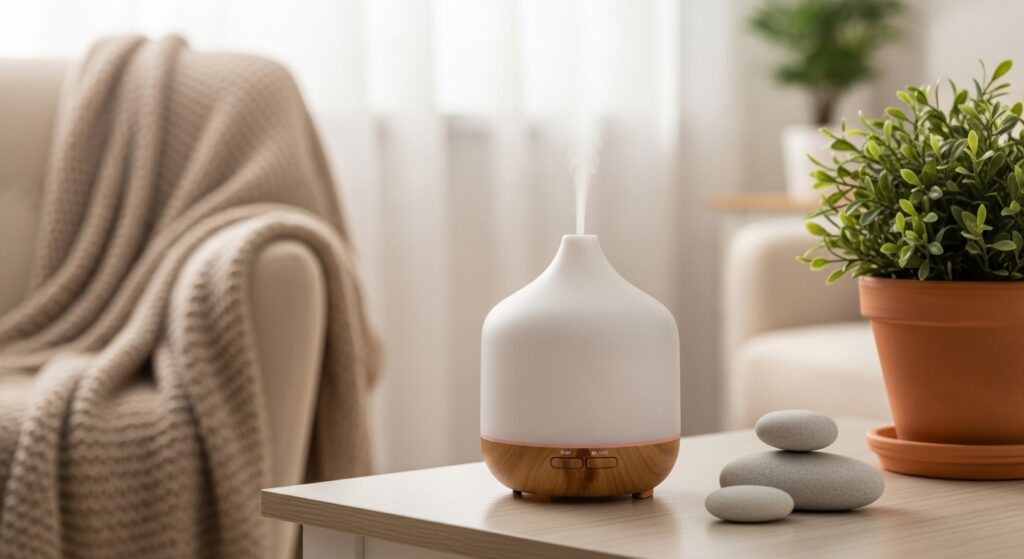
Aromatherapy works primarily through the sense of smell, which is closely linked to emotional and neurological responses. Scents may influence mood, relaxation, alertness, and overall comfort.
Common uses of aromatherapy include:
-
-
-
Stress management
-
Relaxation and sleep routines
-
Creating a focused or uplifting environment
-
Enhancing massage or bath rituals
-
-
Aromatherapy is intended for wellness support, not medical treatment.
Many people start with a simple ultrasonic diffuser and a small essential oil starter set to explore aromatherapy at home.
Popular Essential Oils & Traditional Uses

The following essential oils are commonly used in aromatherapy and personal care for their aroma and traditional associations:
-
-
-
Basil – Often described as clarifying and refreshing; commonly used in focus blends
-
Bergamot – Bright and uplifting aroma; frequently used for mood-supportive blends
-
Frankincense – Grounding and calming scent; often used during meditation or relaxation
-
Lavender – Well-known for its soothing aroma; commonly used in relaxation and sleep routines
-
Orange – Cheerful, citrus scent; often included in energizing or uplifting blends
-
Peppermint – Cooling, refreshing aroma; popular in focus or alertness blends
-
Rosemary – Herbal, stimulating scent; frequently used for mental clarity
-
Sandalwood – Warm, grounding aroma; often used for calming and centering
-
Rose Geranium – Floral, balancing scent; commonly used for emotional balance blends
-
-
Essential Oil Blends for Everyday Use
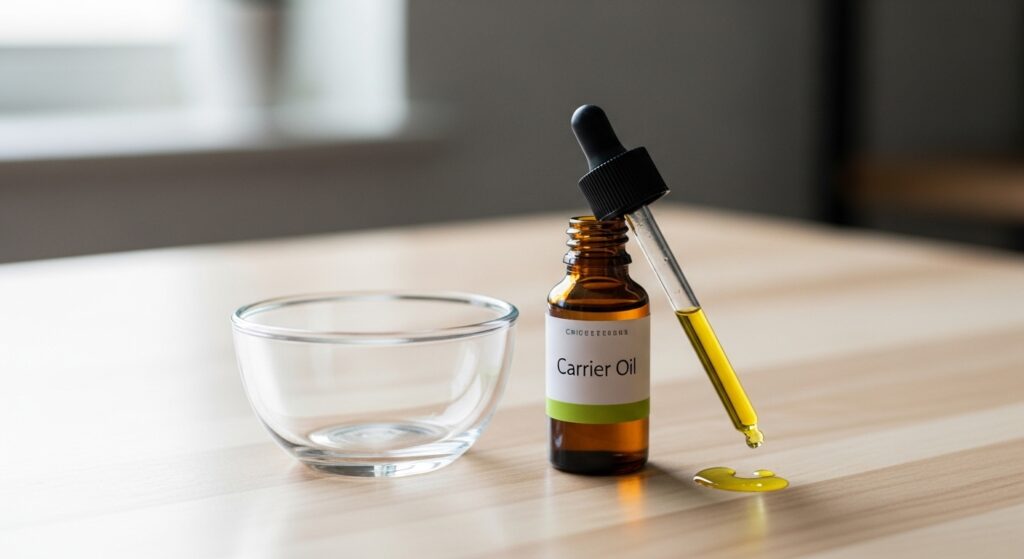
(Aromatherapy & Body Care Only)
These blends are intended for aromatherapy, massage oils, or bath routines, not medical use.
Dilution Guide
👉 Dilution Guide:
Add the drops below to 2 tablespoons of carrier oil (sweet almond, jojoba, or coconut).
Double or triple as needed.
🌿 Comfort Massage Blend
-
-
-
4 drops Rosemary
-
2 drops Lavender
-
2 drops Geranium
-
-
🌼 Warming Body Blend
-
-
-
3 drops Ginger
-
2 drops Rosemary
-
3 drops Roman Chamomile
-
-
☀️ Uplifting Morning Blend
-
-
-
5 drops Rosemary
-
4 drops Lemon
-
6 drops Bergamot
-
-
🌹 Spiced Aroma Blend
(Soap or body products only — not for facial use)
-
-
-
2 drops Ylang Ylang
-
3 drops Bay Rum
-
2 drops Cinnamon
-
2 drops White Thyme
-
1 drop Orange
-
-
💛 Mood-Enhancing Blend
-
-
-
2 drops Orange
-
2 drops Lavender
-
2 drops Frankincense
-
-
🌙 Relax & Wind-Down Blend
-
-
-
3 drops Lavender
-
3 drops Roman Chamomile
-
-
Choosing a Carrier Oil
Carrier oils dilute essential oils and make them safe for skin application.
Jojoba oil is a popular choice because it:
-
-
-
Is skin-friendly and stable
-
Absorbs easily
-
Has a long shelf life
-
-
Sweet almond oil and coconut oil are also commonly used for massage and body blends.
Proper Storage for Essential Oils
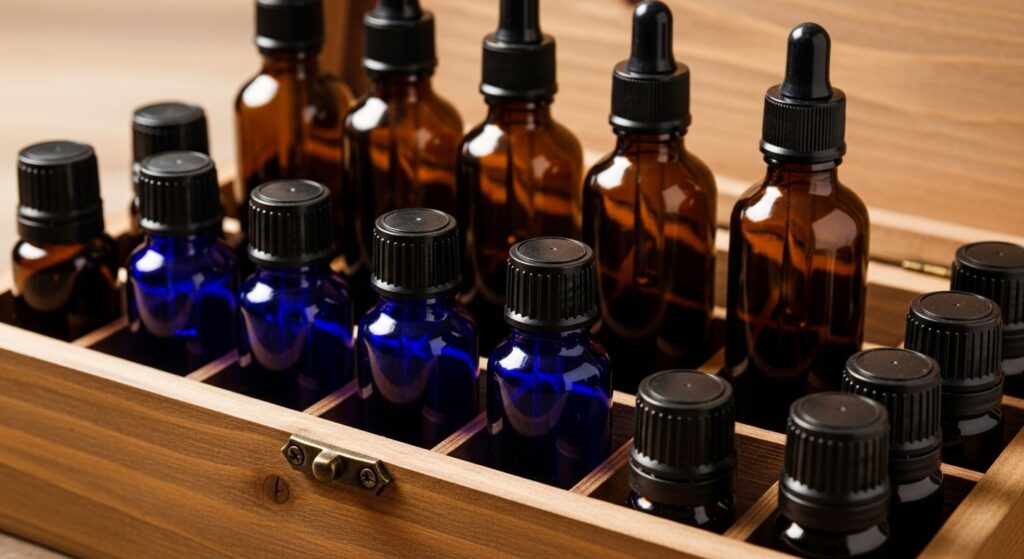
To maintain quality and potency
-
-
- Store essential oils and blends in dark glass bottles.
-
Avoid Plastic Containers
-
Keep away from heat and sunlight
-
Glass helps preserve aroma and prevents chemical interaction with plastic.
Essential oil storage cases help to preserve essential oils over time.
Safety & Dilution Guidelines
-
-
-
Always dilute essential oils before skin use
-
Avoid contact with eyes and mucous membranes
-
Patch test new blends before regular use
-
Do not use internally
-
Keep essential oils out of reach of children and pets
-
-
For general precautions and usage guidance, refer to your Essential Oil Safety Guide.
Final Thoughts
Essential oils and aromatherapy offer a simple, enjoyable way to support relaxation, mood, and everyday comfort. By choosing high-quality oils, using proper dilution, and keeping routines simple, aromatherapy can be a safe and rewarding part of a natural lifestyle.
Start slowly, use conservatively, and focus on enjoyment and well-being rather than outcomes.
Important Note:
This information is for educational purposes only.
This post may contain affiliate links. If you make a purchase through these links, I may earn a small commission at no extra cost to you
Updated: January 2026
© 2024 – 2026, admin. All rights reserved.