Skip to content

Making Soap Naturally

Professional recipes and advice about everything soap!

Menu
  • HOME
  • SOAP RECIPES
    • Baby Soap
    • Beer Soap
    • Castile Soap
    • Charcoal Soap
    • Coffee Soap
    • Dead Sea Mud Soap
    • Gardeners Soap
    • Green Mint Tea
    • Grocery Store Soap
    • Laundry Soap
    • Melt and Pour
    • Pet Shampoo
    • Recycle Bar Soap Pieces
    • Salt Soap
    • Shampoo Bar
    • Simple Halloween Recipe
  • SOAP BASES
    • Basic Soap Recipes – my 6 at a glance
    • #1 – Olive and Coconut, No Palm
    • #2 – Olive, Coconut and Palm
    • #3 – Olive, Coconut & Palm Kernel
    • #4 Olive, Coconut, Palm & Less Water
    • #5 Olive, Coconut, Palm Kernel & Less Water
    • #6 Castile, Just Olive
  • INGREDIENTS
    • Properties of Soap Making Oils
    • Shelf Life of Oils
    • Apricot Kernel Oil
    • Canola Oil
    • Castor Oil
    • Hemp Seed Oil
    • Neem Oil
    • Olive OIl
    • Palm Oil
  • SCENTS AND FRAGRANCE
    • antibacterial essential oils list
    • are perfumes toxic?
    • How to use Essential Oils
    • Cedarwood Essential Oils
    • Essential Oil Blends
    • Frankincense Essential Oil
    • Lavender Essential Oil
    • Rosemary Essential Oil
    • Tea Tree Essential Oil
  • BATH AND BODY
    • Bath Bombs
    • Bath Salts
    • Face Mask
    • Hemp Butter
    • Lip Balm
    • Lotion Bar
    • Whipped Shea Butter
  • Baby Skin Care
    • Baby Soap Recipe
    • Baby Powder Recipe
    • Natural Baby Products
    • Vaseline (nonpetroleum) Recipe
  • SOAP SUPPLIES
    • Supplies you will need
    • Digital or Electronic Scale
    • Escali 136DK Alimento Digital Scale Review – To Weigh your Soap Making Oils
    • Soap Boxes
    • Soap Making Books
    • Where to buy soap making supplies
  • FAQ
    • Craft Fairs and Festival
      • Christmas Craft Fair – just some thoughts as I’m packing
      • The Farmers Market – Selling your Soap
      • Trade shows
    • How to Pick a Business Name
      • Naming your Soap Company – what is a good name?
    • How much does it cost to make soap?
    • INCI Names
      • What is INCI
    • Labeling the Eco-Friendly Way
      • Organic and Natural Product Labelling Rules
    • Proper storage of the Natural and Handmade Soaps
    • Regulations for Hand made soap
      • Important Product Knowledge
    • Wholesale Handmade Soap or Sell it yourself?
    • Craft Fairs and Festivals – what do I need?
  • SOAP BUSINESS & SELLING
Menu

Superfatting Cold Process Soap

Posted on 05-0603-28 by Tes

What is superfatting soap

Superfatting soap is done to make the soap more moisturizing. To superfat you would add additional oil to your recipe at the trace stage, by doing this the oil will not get saponified and will free float in the soap, giving a more moisturizing and gentle bar of soap.
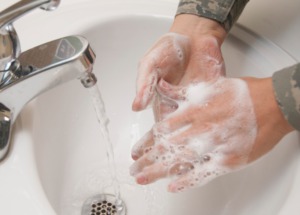


This is not the only way to superfat your soap, you can also add less lye to your recipe to superfat, and most soap calculators will let you know how much.

This is the calculator I use when making my soap, it works very well for superfatting your soap.

Oils often used for superfatting would be Sunflower, Cocoa Butter, coconut oil, Shea butter or soybean.

The rule when superfatting is to not go over 5 % of your oil content. I found that 3% is the optimal amount of oils to use for superfatting.

If you were to add too much oil when superfatting, you would end up with a very soft bar of soap, or worst case a bar of soap that could take months to cure.

I like to use Cocoa or Shea Butter for superfatting.


#handmadesoap #naturalsoap #makingsoapnaturally #soapmaking #soapmaking #soaps #artisansoap #bathandbody #cpsoap #coldprocesssoap #etsy #soapbase #soapcrafter #soapmaker #soaping #soapcrafting #soaphandmade #soap #giftidea #christmas #barsoap #handmadesoap #natural #organic #skincare #coldprocess #soapsupplies #superfatting #superfattingsoap

© 2019 – 2020, Tes. All rights reserved.

Leave a Reply Cancel reply

Your email address will not be published. Required fields are marked *

  • Cold Process Soap Making: A Beginner’s Guide
  • Soap Making Oils – 10 of the Best Oils to Use
  • How To Use A Soap Lye Calculator Safely
  • How to Make Soap Without Lye (What “Lye-Free Soap” Really Means)
  • 🧼 Layered Swirl Technique for Cold Process Soap
  1. Tes on bug repellent plants11-09

    Thank you so much for your kind words! I’m really glad you enjoyed the article and found it helpful. 😊…

  2. Tes on Using Natural Colors In Soap Making11-06

    Thanks so much.  Clays and mineral oxides (like French green, rose clay, or kaolin) tend to remain stable, while more delicate…

  3. Sharon on Using Natural Colors In Soap Making11-06

    I love the idea of colouring soap naturally. It feels like such a beautiful way to connect creativity with nature.…

  4. Cian on Using Natural Colors In Soap Making11-05

    his is such a fantastic and comprehensive guide! I love how you not only list the natural colorants but also…

  5. Tes on Trending Natural Soap Ingredients & Sustainable Practices In 202509-08

    Thank you so much—I’m glad you enjoyed it! I’ve been experimenting with a few of these trends, and the one…

200x400
  • Privacy Policy

Recent Posts

  • Cold Process Soap Making: A Beginner’s Guide
  • Soap Making Oils – 10 of the Best Oils to Use
  • How To Use A Soap Lye Calculator Safely
  • How to Make Soap Without Lye (What “Lye-Free Soap” Really Means)
  • 🧼 Layered Swirl Technique for Cold Process Soap

Making Soap Naturally is a participant in the Amazon Services LLC Associates Program, an affiliate advertising program designed to provide a means for sites to earn advertising fees by advertising and linking to amazon.com

©2018 Making Soap Naturally

© 2026 Making Soap Naturally | Powered by Superbs Personal Blog theme