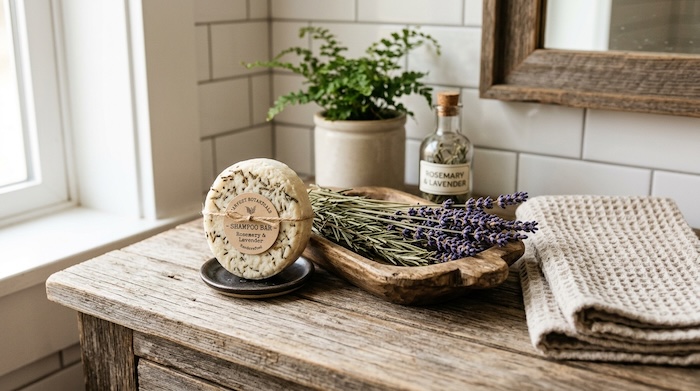
Natural Shampoo Bar Recipe for Healthy Hair
If you’re travelling, heading out camping, or simply trying to avoid commercial shampoos loaded with chemicals, this natural shampoo bar recipe is a great option to try. I’ve made these bars many times over the years, and they create a rich, bubbly lather while still leaving your hair feeling clean and refreshed.
One of the things I like most about homemade shampoo bars is how versatile they are. Even though this recipe is designed for hair, these bars also work perfectly as a regular body soap. They produce lots of fluffy lather thanks to the coconut oil and castor oil combination, making them especially nice for people who enjoy a bubbly bar.
If you’re new to cold process soap making, I highly recommend reading How to Make Cold Process Soap at Home Step-by-Step before starting. It walks through the full soap-making process, including mixing lye safely, tracing, molding, and curing.
You should also read What to Do If Lye Touches Skin before handling sodium hydroxide for the first time.
Why These Oils Work Well in a Shampoo Bar
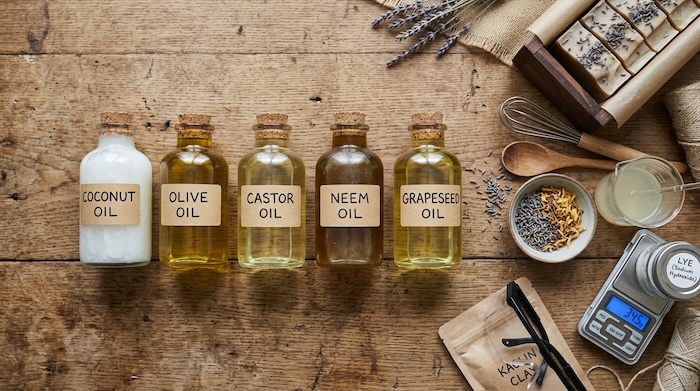
Each oil in this recipe brings something useful to the final bar:
- Coconut Oil helps create cleansing power and lots of bubbles
- Olive Oil adds conditioning qualities and a gentler feel
- Palm Oil helps harden the bar and stabilize lather
- Grapeseed Oil gives a lighter feel that works nicely in hair soap
- Neem Oil is often used in natural hair and scalp products
- Castor Oil boosts creamy lather and helps improve foam
If you’d like to learn more about the oils used in soap making, read:
- Coconut Oil for Soap Making
- Best Oils and Butters for Cold Process Soap
- Essential Oils vs Fragrance Oils in Soap Making

Shampoo Bar Recipe
This recipe makes approximately 12 bars depending on the mold you use and how large you cut your bars.
Oils
- 378 grams Coconut Oil
- 402 grams Olive Oil
- 260 grams Palm Oil
- 100 grams Grapeseed Oil
- 100 grams Neem Oil
- 268 grams Castor Oil
Lye / Water
- 210 grams lye (sodium hydroxide)
- 2 1/4 cups water
You can scent this soap however you like. I personally enjoy using essential oils that are commonly used in hair care products such as rosemary, lavender, peppermint, cedarwood, or tea tree essential oil.
Helpful Soap Making Supplies
A few tools that make shampoo bar recipes much easier:
- Digital Scale for Soap Making — accurate measurements are extremely important when working with lye
- Silicone Soap Mold — makes unmolding easy and gives nice clean bars
- Stick Blender — speeds up trace dramatically
- Safety Goggles and Chemical Resistant Gloves — essential for working safely with lye
- Soap Cutter — helps create even-looking shampoo bars
You can also run this recipe through a lye calculator if you want to better understand oil percentages and superfat levels:
Step-by-Step Instructions
For full step-by-step soap making instructions with pictures, visit:
How to Make Soap at Home Step-by-Step
Shampoo Bar Tips
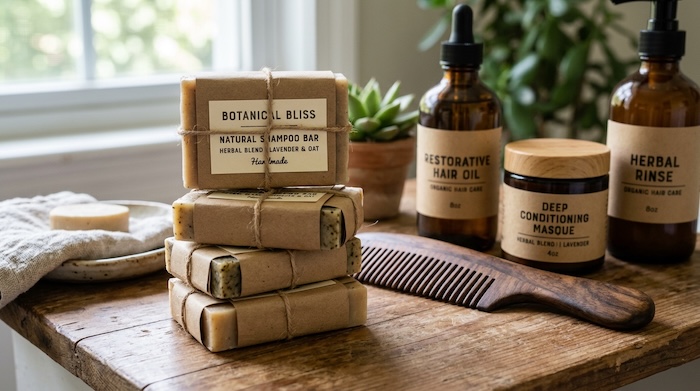
- Allow the bars to cure for 4–6 weeks before using
- Keep bars dry between uses to help them last longer
- Some people transitioning from commercial shampoo may go through an adjustment period while their scalp adapts
- If you have hard water, you may prefer using a diluted apple cider vinegar rinse after washing
Disclaimer
This recipe is for educational purposes only. Always follow proper lye safety procedures when making cold process soap. Test products carefully for personal use, especially if you have sensitive skin or scalp conditions.
© 2016 – 2026, Tes. All rights reserved.
Hi, Teresa!
Thank you for your sharing! When I learn that some people make their own soap, I also want to know how to make it. But I don’t have time to search for its recipe. Although this recipe is for shampoo but for regular soap, I think I can still try to make it by myself!
Yes Anthony this recipe can be used for either regular or shampoo and you can be sure to now what ingredients
when you make it yourself. Happy Soaping
Hi Teresa, I’m new to soap-making so I’m not very sure on how to follow your recipe. So I just need to mix all the oils together and let the mix harden into soap?
Hi Sienna http://makingsoapnaturally.com/how-to-make-soap-at-home-step-by-step-instructions-with-pictures
Here is a link to step by step instructions for making your soap. I will add it to the bottom of the page for future readers. Thanks for asking, Teresa
I have dry hair and I heard regular store shampoos make it worse, is that true? and if so is this good for people with hair like mine, dry and curly?
Regular shampoo is often no more than detergent, not to mention the chemicals in most of them. I think there is a reason they sell the bottle of conditioner next to it. I find a natural hand made shampoo bar not only puts moisture in my hair, but I feel good knowing exactly what is in it.