
Safe Use in Soap Making & Household Cleaning
Essential oils are widely used in natural soap making and household cleaning for their aroma and traditionally studied properties. Some essential oils have been researched for antimicrobial activity in laboratory settings, which has led to their popularity in natural cleaning products and handcrafted soaps.
It’s important to understand, however, that laboratory research does not equal medical treatment, and essential oils should not be used to diagnose, treat, or cure infections. This guide explains how essential oils are commonly used in soaps and home care, and how to use them safely and responsibly.
📑 Table of Contents
Click a section below to jump directly to that topic.
- What “Antimicrobial” Means in Essential Oil Research
- Essential Oils Commonly Used in Soap Making & Cleaning
- Essential Oils Often Used for Household Cleaning
- Essential Oils Used in Natural Soap Making
- What Research Actually Shows (High-Level Overview)
- Safe Use Guidelines for Home & Soap Applications
- Important Safety Notes
- Frequently Asked Questions About Essential Oils & Antimicrobial Use
- Final Notes
What “Antimicrobial” Means in Essential Oil Research

When essential oils are described as having antimicrobial properties, this usually refers to laboratory testing where oils are evaluated against microorganisms under controlled conditions.
This does not mean:
-
Essential oils disinfect surfaces like commercial cleaners
-
Essential oils replace medical treatment
-
All oils work the same way or at the same strength
In real-world use, essential oils are best viewed as aromatic and supportive ingredients in natural products, not as standalone disinfectants.
Essential Oils Commonly Used in Soap Making & Cleaning
The following essential oils are commonly chosen for handcrafted soaps and household products due to their aroma and traditional use in cleaning blends:
-
Lemon
-
Orange
-
Lemongrass
-
Eucalyptus
-
Peppermint
-
Tea Tree
-
Lavender
-
Rosemary
-
Thyme
-
Clove
-
Citronella
-
Geranium
-
Patchouli
-
Palmarosa
These oils are often selected to:
-
Provide a fresh, clean scent
-
Complement other oils in blends
-
Enhance the sensory experience of soap and cleaning products
Essential Oils Often Used for Household Cleaning
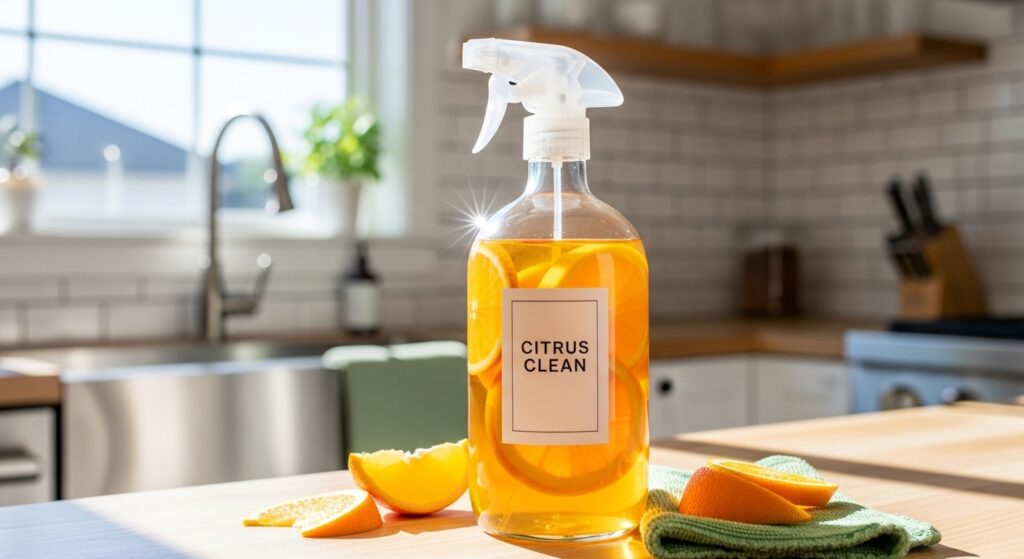
In natural home cleaning recipes, essential oils are typically added for fragrance and general freshness, not as the primary cleaning agent.
Popular choices include:
-
Lemon & Orange (bright, fresh scent)
-
Eucalyptus & Tea Tree (clean, sharp aroma)
-
Peppermint (cool, refreshing scent)
-
Lemongrass (strong citrus-herbal aroma)
These oils are commonly added to:
-
All-purpose sprays
-
Floor cleaners
-
Kitchen and bathroom cleaners
⚠️ Always remember: soap, water, and proper cleaning techniques do the real cleaning. Essential oils are optional enhancements.
Many people prefer reusable glass spray bottles when making natural household cleaners.
Household Cleaning Supplies
Essential Oils Used in Natural Soap Making
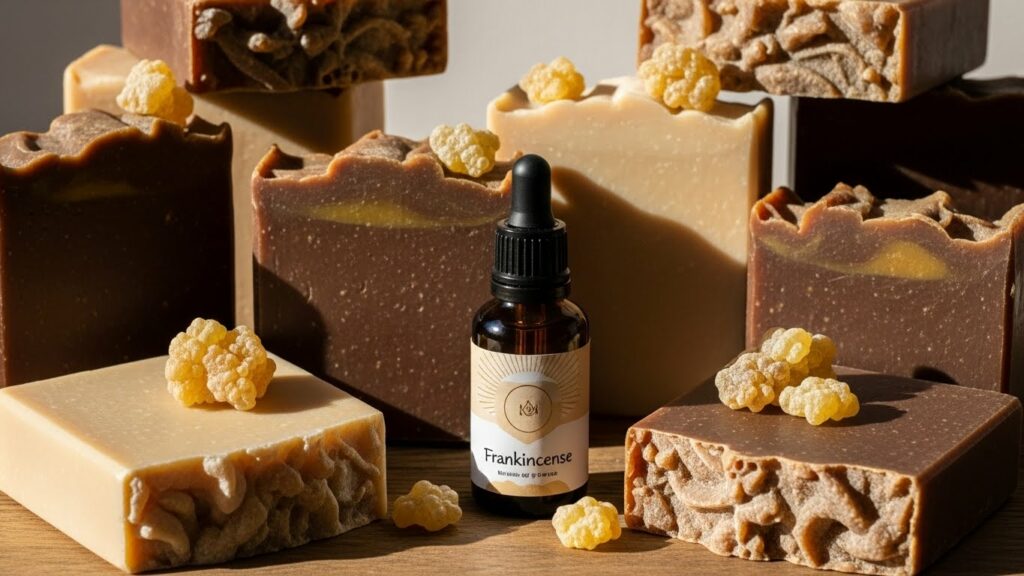
In cold process and melt-and-pour soap making, essential oils are used primarily for:
-
Natural scent
-
Customer preference for plant-based fragrance
-
Traditional associations with cleanliness
Common soap-making oils include:
-
Lavender
-
Tea Tree
-
Lemongrass
-
Peppermint
-
Rosemary
-
Eucalyptus
-
Citrus oils (used carefully due to photosensitivity)
Each essential oil behaves differently in soap, and usage rates must always follow safe soap-making guidelines.
👉 See: How to Scent Soap Safely with Essential Oils
👉 See: Essential Oil Safety Guide
When making soap at home, using proper molds, accurate scales, and soap-making tools helps ensure consistency and safety.
Soap-Making Supplies
What Research Actually Shows (High-Level Overview)
Laboratory studies have shown that some essential oils exhibit antimicrobial activity under controlled conditions. These studies help researchers understand plant chemistry but do not translate directly to household or personal use.
Key takeaways from research:
-
Not all essential oils act the same way
-
Results depend on concentration, method, and environment
-
Lab findings do not equal real-world effectiveness
This is why essential oils should be viewed as supportive ingredients, not replacements for proper cleaning or hygiene practices.
Safe Use Guidelines for Home & Soap Applications
-
Never apply essential oils undiluted to skin
-
Do not “mix in any percentage you like”
-
Follow established soap-making usage rates
-
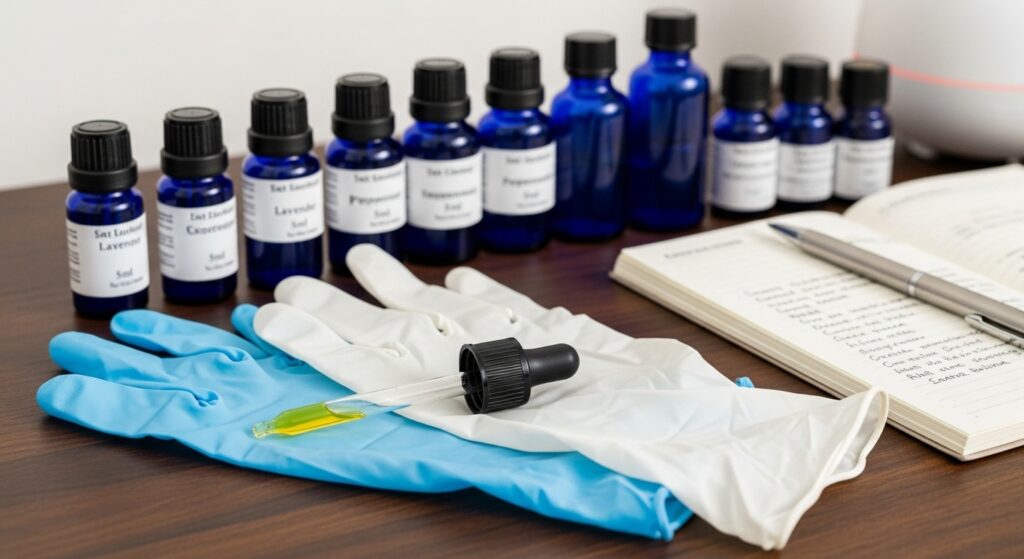
Use gloves when handling concentrated oils
-
Avoid internal use
-
Keep oils away from children and pets
For complete guidance, always refer to your Essential Oil Safety Guide.
Important Safety Notes
-
Essential oils are not medical treatments
-
They should not be used to treat infections or skin conditions
-
Natural does not mean risk-free
-
More oil does not mean better results
Responsible use protects both you and your customers.
Frequently Asked Questions About Essential Oils & Antimicrobial Use
Do essential oils kill bacteria?
Some essential oils have shown antimicrobial activity in laboratory studies under controlled conditions. This does not mean they act as disinfectants in real-world use. In household and soap-making applications, essential oils are primarily used for scent and traditional associations, not as standalone antibacterial agents.
Can essential oils replace disinfectants or cleaning products?
No. Essential oils should not replace proper cleaning methods or disinfectants. Soap, water, and appropriate cleaners do the actual cleaning. Essential oils may be added for fragrance or as a complementary ingredient in natural cleaning routines.
Are essential oils considered antibacterial or antiseptic?
Terms like antibacterial, antiseptic, or antimicrobial often refer to laboratory research, not household effectiveness. Essential oils should not be marketed or used as medical or disinfecting products unless supported by regulatory approval.
Can essential oils be used safely in soap making?
Yes, when used at established safe usage rates and properly diluted. Each essential oil has different safety limits, and soap makers should always follow recommended guidelines when scenting soap.
Can essential oils be used to treat infections or skin conditions?
No. Essential oils are not medical treatments and should not be used to diagnose, treat, or cure infections or skin conditions. Anyone experiencing a skin or health issue should consult a qualified healthcare professional.
Why do some studies mention antimicrobial properties of essential oils?
Research studies help scientists understand plant chemistry and potential interactions under controlled conditions. These findings do not automatically apply to household cleaning, soap making, or personal care use.
Is it safe to mix essential oils freely?
No. Essential oils should never be mixed “in any percentage.” Safe dilution rates depend on the oil, the application, and the user. More oil does not mean better results and can increase the risk of irritation or sensitization.
Are essential oils safe for children and pets?
Some essential oils may pose risks to children and pets. Oils should be stored securely and used cautiously. Always research pet and child safety before using essential oils in shared spaces.
Where can I learn more about safe essential oil use?
For detailed dilution guidance, precautions, and general safety information, refer to the Essential Oil Safety Guide.
Final Notes
Essential oils can be a wonderful addition to handcrafted soap and natural home products when used thoughtfully and safely. Their value lies in aroma, tradition, and personal preference, not medical outcomes.
By understanding the difference between research findings and real-world use, you can enjoy essential oils confidently as part of a natural, well-informed lifestyle.
Important Note:
This information is for educational purposes only.
This post may contain affiliate links. If you make a purchase through these links, I may earn a small commission at no extra cost to you
Updated: January 2026
© 2024 – 2026, admin. All rights reserved.