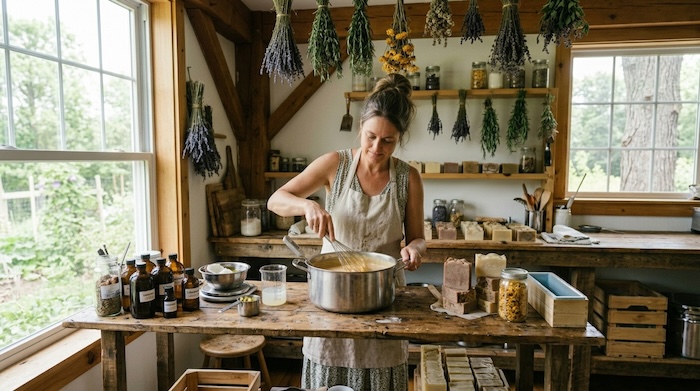
If you’re just getting started making soap, you’re probably discovering that there is a lot more to it than simply mixing a few ingredients together. I remember making my first batch and feeling completely overwhelmed. There were questions about lye, oils, curing times, fragrances, temperatures, and what seemed like endless conflicting advice online. The good…
Author: admin
What Is Trace In Soap Making? A Beginner’s Guide To Understanding Trace
If you’ve spent any time reading soap recipes, you’ve probably come across the phrase “bring the soap to trace.” For new soap makers, trace can seem confusing. How do you know when you’ve reached it? What does it look like? And why is it so important? Learning to recognize trace is one of the most…
How Long Should Handmade Soap Cure? A Complete Guide For Soap Makers
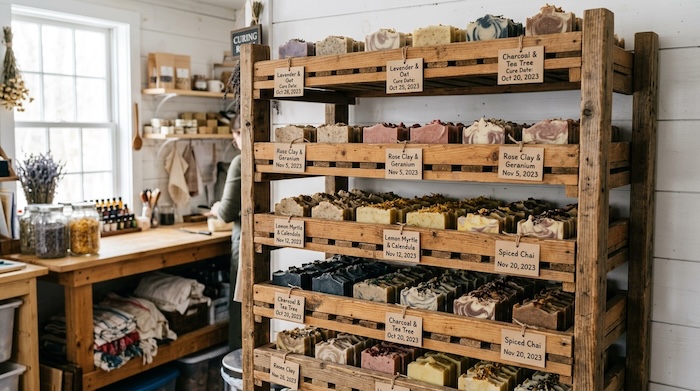
One of the most common questions new soap makers ask is: “How long should handmade soap cure before I can use it?” The short answer is that most cold process soap should cure for 4 to 6 weeks. However, the real answer depends on the recipe, water content, oils used, humidity, and the quality of…
Best Selling Soap Scents: What Customers Actually Buy
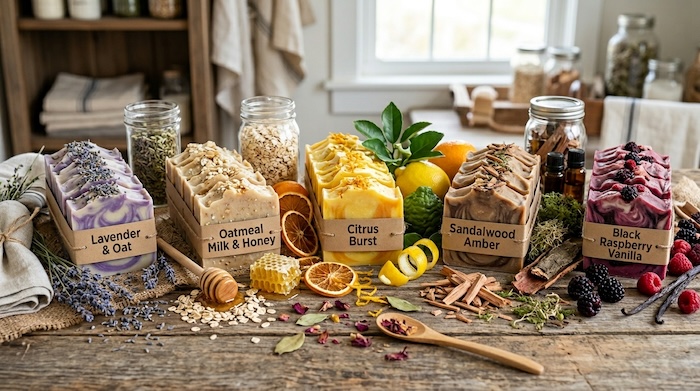
One of the biggest mistakes new soap makers make is creating soaps based entirely on personal preference. While there’s nothing wrong with making a soap that you love, if you’re selling at craft fairs, farmers markets, Etsy, or through your own website, it helps to understand what customers actually buy. Over the years I’ve noticed…
Using Natural Colors In Soap Making
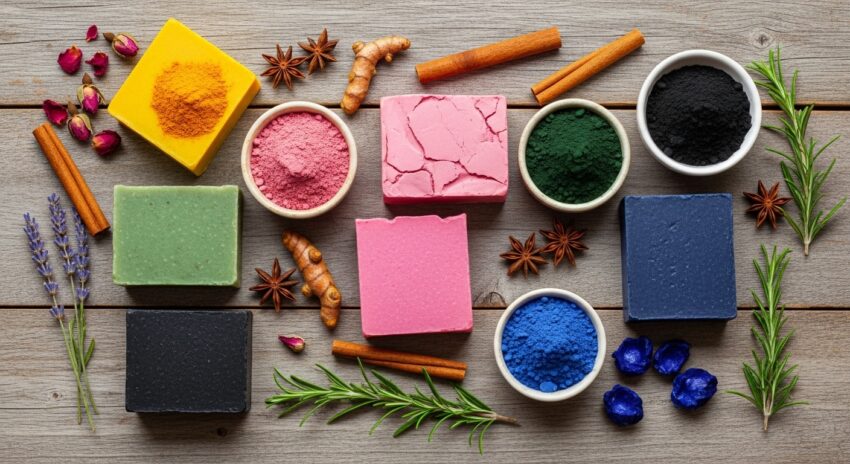
Natural Soap Colorants: Beautiful Botanical & Clay Colors for Soap Natural colors can completely transform homemade soap. Whether I’m crafting a batch for myself or as gifts, I love using hues pulled right from nature. Not only do they look gorgeous, but they also add a wholesome touch that feels really special. If you’re new…
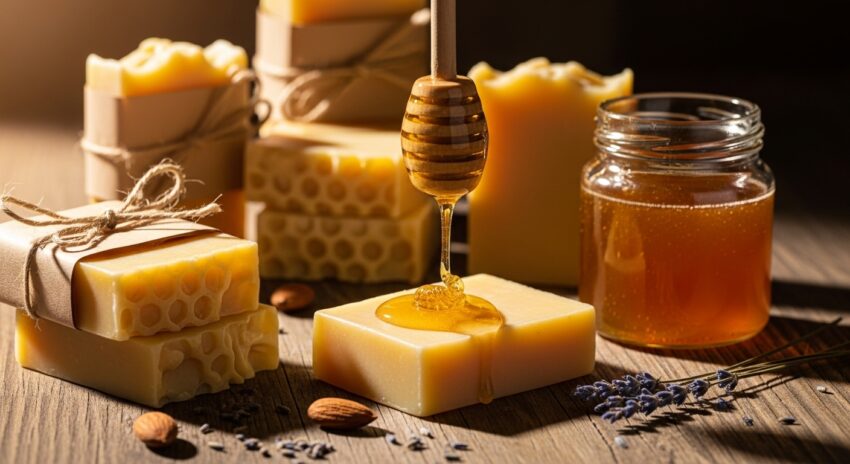
Using Honey in Soap Making: Benefits, Tips, and Precautions
Honey has been used in skincare for centuries, long before commercial cleansers and synthetic additives existed. In handmade soap, honey isn’t just a decorative ingredient — it’s a functional addition that can improve moisture retention, boost lather, and enhance the overall feel of a bar. If you’ve been curious about using honey in soap making,…
natural pain relievers
There are natural pain relievers headaches, joint pain, muscle pain, and more. These natural ones are derived from a singular or combination of essential oils and other plant materials. I personally have used a natural essential oil pain reliever for years! Even if any essential oil does not work completely on your pain, this is…
Essential Oils & Aromatherapy: Supporting Wellness, Mood & Everyday Comfort
Essential oils have been used for centuries in traditional wellness practices to support relaxation, emotional balance, and daily comfort. Extracted from plants, flowers, leaves, and resins, these concentrated plant oils form the foundation of aromatherapy — a gentle, sensory-based approach to supporting well-being. When used properly, essential oils can be enjoyed through diffusion, diluted topical…
Essential Oils with Antimicrobial Properties
Safe Use in Soap Making & Household Cleaning Essential oils are widely used in natural soap making and household cleaning for their aroma and traditionally studied properties. Some essential oils have been researched for antimicrobial activity in laboratory settings, which has led to their popularity in natural cleaning products and handcrafted soaps. It’s important to…
anti-garlic or kitchen bar
This Anti-Garlic or Kitchen soap bar recipe is known by other names as Fisherman’s Bar, Odor Remover, Coffee Soap, Coffee Scrub Bar, or Odor Eliminator Bar. What they all have in common is ground coffee beans and a scent, both known to remove odors from hands or all over. I first came up with this…