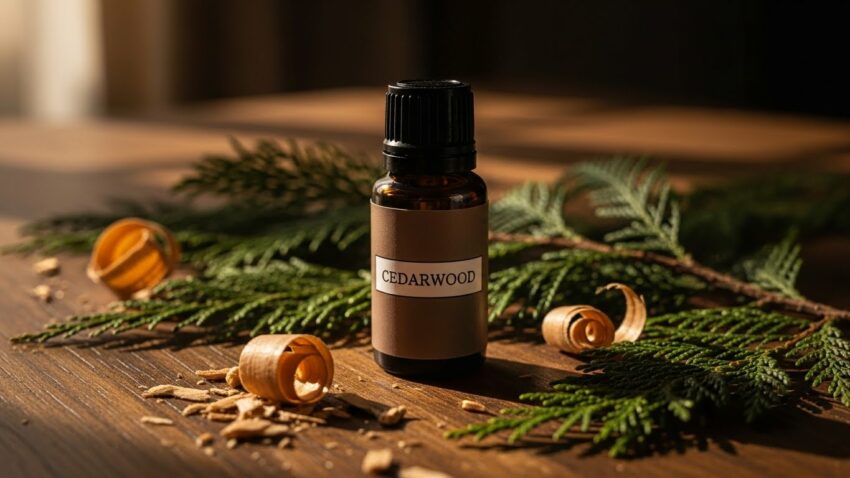
🌲 Cedarwood Essential Oil Benefits, Uses & Soap Making Guide
Overview: What Is Cedarwood Essential Oil?
If you’re just starting out, a starter essential oil set can be a cost-effective way to explore cedarwood and other foundational oils.
Cedarwood essential oil has been used for thousands of years for its grounding aroma, protective qualities, and wide range of practical uses. Ancient cultures associated cedar with strength, spiritual power, and endurance, often viewing it as a symbol of stability and continued faith.
Today, cedarwood essential oil remains popular in aromatherapy, skincare, hair care, natural cleaning, and soap making. Its warm, woody scent and naturally cleansing properties make it especially valued in handcrafted and traditional formulations.
If you’re new to essential oils, see How to Use Essential Oils Safely at Home for proper dilution and safety guidelines.
Botanical Sources of Cedarwood Essential Oil

Cedarwood essential oil is derived from several species, depending on region:
-
Red Cedar (Juniperus virginiana) – Native to North America
-
Atlas Cedar (Cedrus atlantica) – Grows in North Africa, particularly Morocco
-
Texas Cedarwood (Juniperus mexicana) – Found in Mexico, Central America, and the southwestern United States
While the aroma varies slightly between species, all cedarwood oils share grounding, cleansing, and protective qualities.
How Cedarwood Essential Oil Is Made

Cedarwood essential oil is produced through steam distillation of wood chips, typically sourced from the heartwood of mature trees. Steam distillation gently extracts the oil’s active compounds while preserving its rich aroma and therapeutic properties.
The result is a thick, aromatic oil with a long shelf life and excellent stability.
Aroma Profile & Emotional Benefits
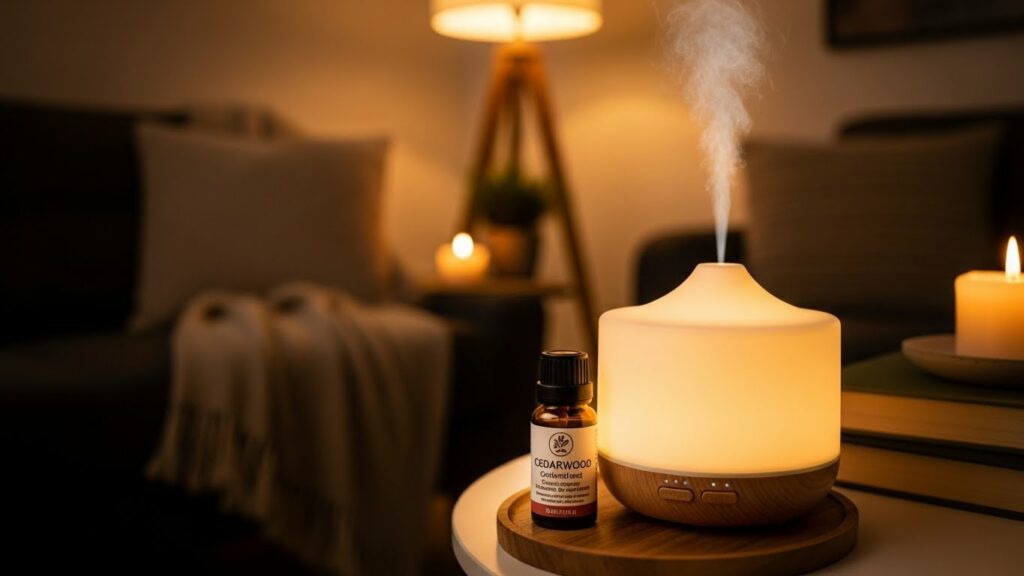
Cedarwood essential oil has a deep, woody, earthy aroma often described as warm, calming, and masculine. It is widely used to:
-
Promote relaxation and emotional balance
-
Reduce stress and nervous tension
-
Encourage focus and mental clarity
-
Support meditation and spiritual practices
Because of its grounding nature, cedarwood is commonly used as a base note in aromatherapy blends.
Top Benefits of Cedarwood Essential Oil
Cedarwood essential oil has many naturally occurring properties that have made it valuable for centuries:
-
Antifungal properties that support fungal skin concerns
-
Insect-repellent qualities effective against mosquitoes, moths, fleas, and ticks
-
Mild antiseptic action when properly diluted
-
Expectorant and mucolytic properties for respiratory support
-
Supports emotional stability and a positive mindset
Cedarwood Essential Oil for Skin Care

Cedarwood is widely used in natural skincare products due to its balancing and soothing nature:
-
Helps regulate oily skin
-
Calms itchy or irritated skin
-
Traditionally used for weeping eczema
-
Common in natural acne treatments
-
Supports clearer-looking skin when used consistently
When diluted in a carrier oil, cedarwood can be incorporated into facial oils, balms, and lotions.
Cedarwood Essential Oil for Hair & Scalp Health
Cedarwood essential oil is a well-known hair tonic with a long history of use in scalp care:
-
Helps reduce dandruff
-
Relieves itchy scalp
-
Supports scalp balance for both dry and oily hair
-
Encourages healthier-looking hair
It is often included in natural shampoos, conditioner bars, and scalp treatments.
🧼 Using Cedarwood Essential Oil in Soap Making
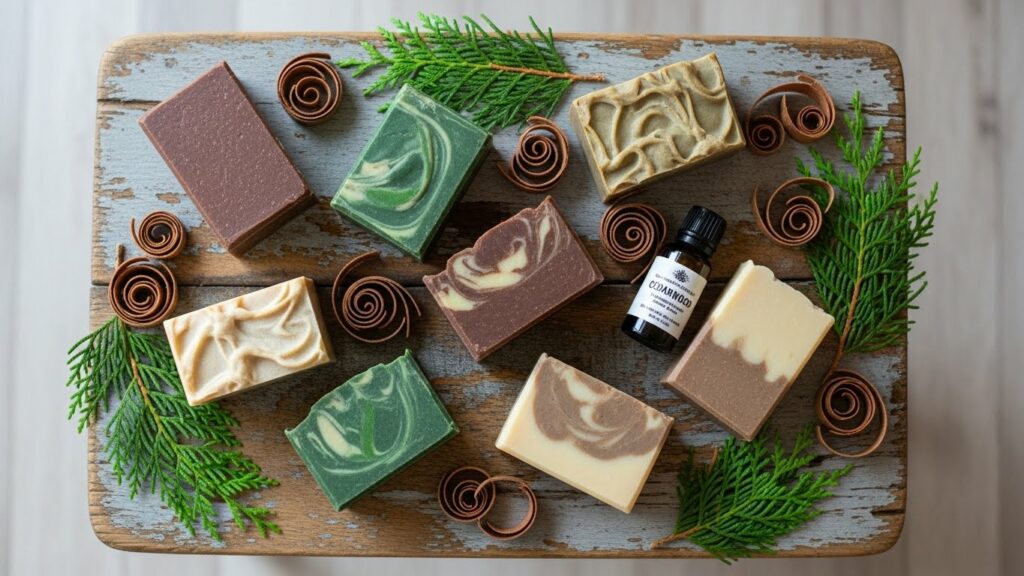
Cedarwood essential oil is a favorite among soap makers, especially for cold process soap recipes. Its warm, woodsy aroma adds depth and stability to soap scents, making it an excellent base note in essential oil blends.
If you’re new to scenting soap, see How to Scent Soap Naturally and Essential Oils vs Fragrance Oils for guidance.
Cedarwood holds its scent very well in cold process soap, particularly when paired with other anchoring oils such as patchouli, frankincense, or cypress. It also blends beautifully with citrus essential oils, helping extend lighter top notes that may otherwise fade during cure.
Cedarwood essential oil works especially well in:
-
Men’s soaps and woodsy blends
-
Acne and oily skin soap formulations
-
Shampoo and scalp bars
-
Grounding or stress-relief soap recipes
Soap makers appreciate cedarwood for its low risk of acceleration and minimal effect on trace, making it suitable for beginners.
Soap Maker Notes:
-
Scent strength: Medium
-
Acceleration risk: Low
-
Discoloration: None
-
Blends well with: Lavender, Patchouli, Frankincense, Cypress, Bergamot, Lemon
Accurate weighing is essential when using essential oils in soap making. A digital gram scale ensures consistent and safe formulations.
Respiratory & Wellness Uses
Cedarwood essential oil contains natural expectorant and mucolytic properties, making it helpful for:
-
Supporting respiratory comfort
-
Loosening bronchial congestion
-
Easing coughs and chest tightness
It is commonly used in steam inhalations and chest balm blends.
Historical Uses of Cedarwood Essential Oil
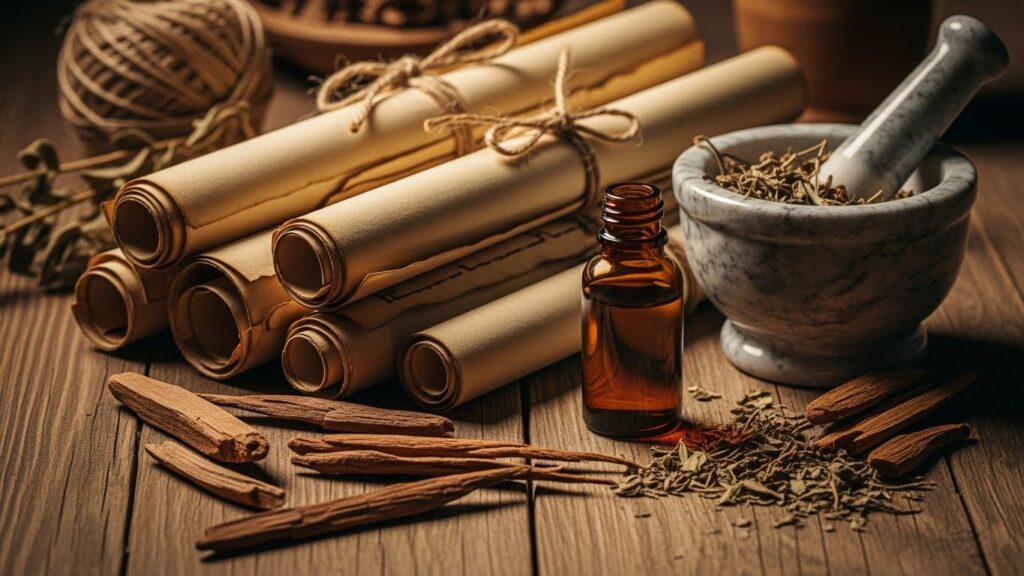
Cedarwood has a rich and well-documented history:
-
Ancient Egyptians used cedar oil to preserve papyrus and during mummification
-
Ancient Greeks soaked leaves in cedarwood oil to repel insects
-
During the Bubonic Plague, Europeans burned cedarwood to fumigate homes and streets
-
In the late 1700s, herbalist Nicholas Culpepper recorded its use for coughs and breathing difficulties
-
Early pioneers scattered cedar flakes on floors to deter insects
-
Cedar chests became widely used to protect clothing and linens from pests
Its reputation as a protector and purifier spans thousands of years.
How to Use Cedarwood Essential Oil Safely
-
Always dilute before applying to skin
-
Perform a patch test before first use
-
Avoid contact with eyes and mucous membranes
-
Keep out of reach of children
-
Consult a professional if pregnant or under medical care
Always store essential oils in dark glass bottles and label blends clearly for safety.
👉 See Essential Oil Dilution Chart for safe usage rates.
Essential Oils That Blend Well With Cedarwood
Cedarwood blends especially well with:
-
Lavender
-
Frankincense
-
Patchouli
-
Cypress
-
Bergamot
-
Lemon
These combinations are commonly used in soap making, aromatherapy, and skincare.
You may also enjoy Lavender Essential Oil Benefits, Frankincense Essential Oil Benefits, and Patchouli Essential Oil Uses.
Frequently Asked Questions About Cedarwood Essential Oil
Is cedarwood essential oil safe for skin?
Yes, when properly diluted in a carrier oil.
Does cedarwood essential oil help with dandruff?
Yes, it is commonly used to soothe itchy scalp and reduce dandruff.
Can cedarwood essential oil repel insects naturally?
Yes, cedarwood has long been used as a natural insect deterrent.
Is cedarwood essential oil good for soap making?
Yes, it holds scent well, has low acceleration risk, and blends beautifully with other oils.
Final Thoughts
Cedarwood essential oil is one of the most versatile essential oils available. From ancient preservation practices to modern soap making, skincare, and aromatherapy, its grounding scent and practical benefits continue to stand the test of time.
This post may contain affiliate links. If you make a purchase through these links, I may earn a small commission at no extra cost to you.
© 2017 – 2026, Tes. All rights reserved.