Safe Use in Soap Making & Household Care
Essential oils are widely used in natural soap making, household cleaning, and foot-care products for their aroma and traditional associations with cleanliness. Some essential oils have been studied in laboratory settings for antifungal activity, which has contributed to their popularity in handcrafted soaps and natural home products.
It’s important to understand that laboratory research does not equal medical treatment. Essential oils should never be used to diagnose, treat, or cure fungal infections and should not replace medical care.
This guide explains how essential oils are commonly used safely and responsibly in non-medical contexts.
📑 Table of Contents
Click a section below to jump directly to that topic.
- What “Antifungal” Means in Essential Oil Research
- Essential Oils Commonly Studied for Antifungal Properties
- Essential Oils Used in Soap Making & Foot-Care Products
- How Essential Oils Are Used Safely
- What Essential Oils Cannot Do
- When Medical Treatment Is Necessary
- Safety & Dilution Guidelines
- Frequently Asked Questions
- Medical Disclaimer
- Final Notes
What “Antifungal” Means in Essential Oil Research
When essential oils are described as antifungal, this typically refers to laboratory studies where oils are tested against fungi under controlled conditions.
This does not mean:
-
Essential oils cure fungal infections
-
Oils replace antifungal medication
-
Undiluted oils are safe on skin or nails
In real-world use, essential oils are best viewed as supportive ingredients for scent and skin-care routines — not treatments.
Essential Oils Commonly Studied for Antifungal Properties
The following essential oils are often mentioned in research and traditional use discussions and are commonly included in soap making and foot-care products:
Tea Tree Essential Oil
Frequently used in soaps and foot-care products for its sharp, clean scent and traditional use in cleansing blends.
Lavender Essential Oil
Known for its calming aroma and frequent use in gentle skin-care and soap formulations.
Lemongrass Essential Oil
Popular in household cleaners and soaps for its strong citrus-herbal scent.
Clove Essential Oil
Used sparingly in soap making due to its intense aroma; often included in very small amounts.
Oregano Essential Oil
Occasionally referenced in research but rarely used in soap making due to its potency and skin-sensitizing potential.
Manuka Essential Oil
Sometimes included in specialty soap or foot-care formulations for its aroma and traditional associations.
⚠️ All essential oils must be diluted and used at established safe rates.
Essential Oils Used in Soap Making & Foot-Care Products
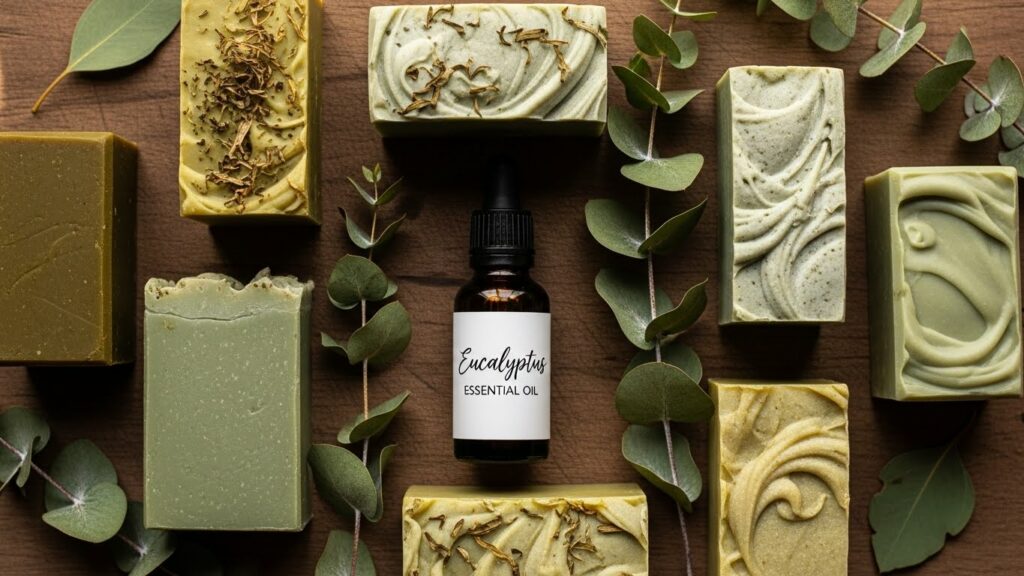
In handcrafted soap and foot-care products, essential oils are primarily used for:
-
Natural scent
-
Customer preference for plant-based fragrance
-
Traditional associations with cleanliness
They are not used as active treatments.
👉 Refer to:
How Essential Oils Are Used Safely
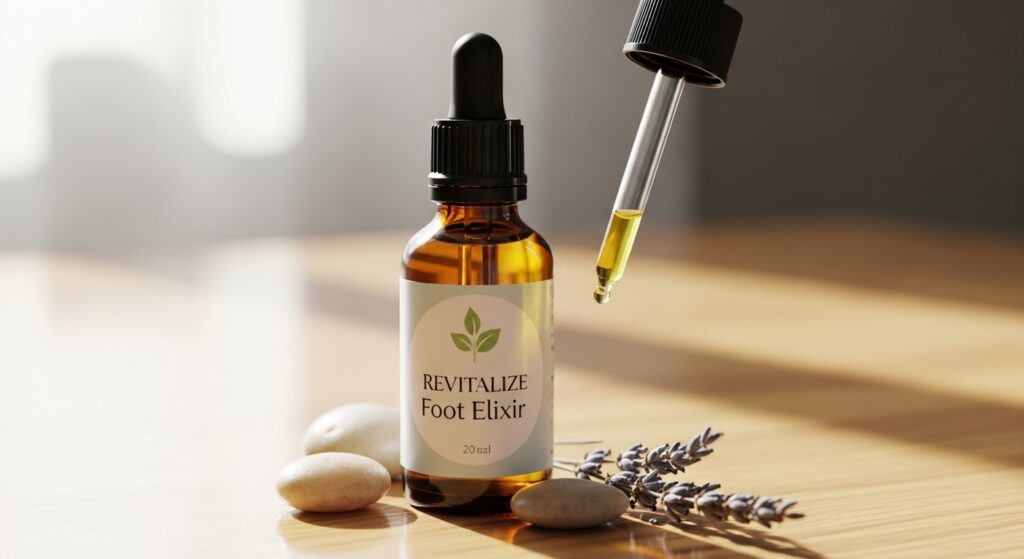
Essential oils should always be used diluted and conservatively.
Gentle Foot-Care Oil (Supportive Use Only)
Ingredients
-
1 tablespoon carrier oil (jojoba, olive, or fractionated coconut oil)
-
2 drops tea tree essential oil
-
2 drops lavender essential oil
How to Use
-
Apply to clean, dry skin once daily
-
Avoid broken or irritated skin
-
Discontinue use if irritation occurs
⚠️ This blend is for skin comfort and odor support only, not treatment.
Some people prefer using a dedicated foot soak tub for hygiene and comfort.
What Essential Oils Cannot Do
Essential oils:
-
Do not cure fungal infections
-
Do not replace antifungal medication
-
Do not eliminate infections internally or externally
-
Should not be applied undiluted
Medical conditions require medical care.
When Medical Treatment Is Necessary
Seek medical guidance if:
-
Symptoms worsen or spread
-
Nails are involved
-
Skin is cracked, bleeding, or infected
-
You have diabetes or circulation issues
Safety & Dilution Guidelines
-
Never apply essential oils undiluted
-
Avoid internal use
-
Use gloves when handling concentrated oils
-
Store oils in dark glass bottles
-
Keep away from children and pets
Frequently Asked Questions
Do essential oils kill fungus?
Some oils show antifungal activity in laboratory studies, but this does not translate to real-world treatment.
Can essential oils replace antifungal medication?
No. Essential oils are not medical treatments.
Are essential oils safe for nails?
They should be used cautiously, diluted, and only on intact skin.
Can essential oils be used in soap safely?
Yes, when used at approved usage rates.
Medical Disclaimer
This content is for educational purposes only and is not intended to diagnose, treat, cure, or prevent any disease. Essential oils are not a substitute for medical care.
Final Notes
Essential oils can be enjoyed safely in soap making and natural home products when used responsibly. Understanding the difference between research findings and real-world use helps prevent misuse and promotes informed choices.
Updated: January 2026
This post may contain affiliate links. If you make a purchase through these links, I may earn a small commission at no extra cost to you.
© 2016 – 2026, Tes. All rights reserved.
I knew that essential oils could be used for relaxing or relieving stress. I also knew they could be used for skin treatments. This is the first time I heard they could be used for anti fungal remedies specifically though! This is interesting. I’ve never had to use antifungal medicine before but this is great to keep in mind.
Just a quick comment unrelated to the article, but I’m viewing your site on my phone and your ad banners push across the entire site and stretches the layout. Just thought you should know!
Thanks for the informative article!
Thanks Chique for letting me know about the banner, I’ll have to look into that. Essential Oils for anti fungal work very well. I have had a toenail fungus in the past and was able to treat it with tea tree and lavender oil. Worked very well.
Winning! I was so excited to find your website. I have a severe case of athlete’s feet (that’s because I practise Bikram yoga every day in a sweaty room.) And it’s only severe because I have tried every ointment available at the pharmacy, yet, nothing seems to get rid of it!
I am also wondering what’s the best oil to use on my dermatitis? You did mention Oregano Essential oil to use on eczema, but I can use it on my dermatitis too?
Hello Amberlee, many doctors refer to eczema as a type of dermatitis. Oregano essential oil should be effective in the treatment of dermatitis as well as most other oils that will help with the relief of eczema. If you would like more information on the types of dermatitis and treatments have a look at this page Natural Cures for Eczema – what type of eczema do you have?
I found this a very interesting summary of some of the best essential oils out there. My girlfriend is a huge fan of essential oils and the support they offer, and as such I have started to learn about them too. I will be sharing this article with her as I think she will love reading through it. Thanks very much and looking forward to learning more about essential oils and their benefits.
Thanks for sharing Philip. Essential oils can help us in so many ways. I have always believed that what we need grows on this earth, and essential oils have been around for a long time.