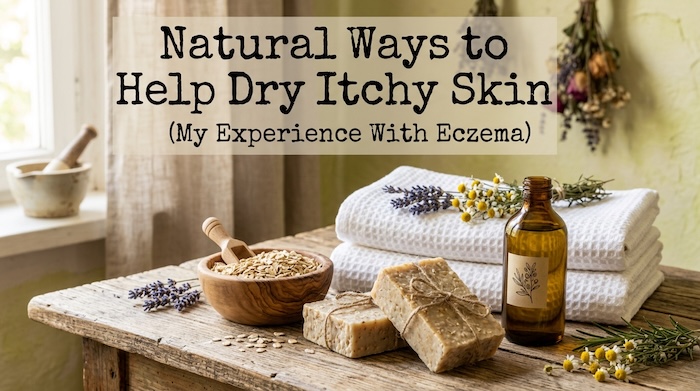
I can speak from personal experience about how miserable dry itchy skin can be. Growing up, I struggled badly with eczema. There were times when my skin was so itchy that I could barely sleep comfortably at night. My skin would become dry, irritated, and sore from scratching.
At the time, we used heavily scented commercial soaps and regular laundry detergents without really thinking about how they might affect sensitive skin. Doctors prescribed creams and ointments, and my mother even tried changing parts of my diet to see if it would help.
Some things improved my skin temporarily, but I still struggled with irritation for years.
Eventually, during my teenage years, I started researching natural skincare ingredients and learned how to make my own soap. That ended up being one of the biggest changes for my skin. While diet and overall health also played a role, switching away from harsh commercial products made a noticeable difference for me personally.
If you have dry itchy skin, sensitive skin, or eczema-prone skin, here are some natural approaches that helped me over the years.
Why Commercial Soaps Can Be Harsh on Sensitive Skin
Many commercial soaps are actually detergents made with synthetic ingredients, fragrances, and cleansers that can strip the natural oils from your skin.
When your skin barrier becomes damaged, it loses moisture more easily, which can lead to dryness, itching, irritation, and flare-ups.
Your skin is your body’s largest organ, and everything that comes into contact with it matters. Not only the soap you wash with, but also your laundry detergent, fabric softeners, bedding, and even heavily scented lotions can affect sensitive skin.
For me, switching to handmade natural soap and gentler laundry products was one of the biggest improvements I noticed.
If you’re new to soap making, have a look at my post on How to Make Cold Process Soap Step by Step for a beginner-friendly look at making your own natural soap at home.
Why Natural Soap Helped My Skin
One of the reasons many people prefer handmade soap for dry skin is because natural soap retains glycerin.
Glycerin is a natural humectant, which means it helps attract moisture to the skin. Commercial soap manufacturers often remove glycerin from their products to use in lotions and cosmetics, but handmade soap keeps that naturally occurring glycerin in the bar.
Natural soap is also commonly made with nourishing oils and butters that are gentler on dry skin, including:
- Olive oil
- Shea butter
- Coconut oil
- Avocado oil
- Oatmeal
- Goat milk
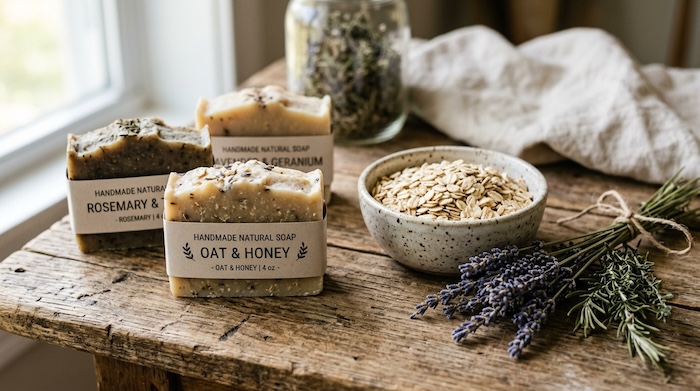
I personally found oatmeal soaps and unscented soaps especially soothing during periods when my skin was irritated.
You can also read my posts on Benefits of Goat Milk Soap for Dry Skin and Oatmeal Soap Recipe for Sensitive Skin if you want to explore gentle soap options further.
If you make your own soap, I highly recommend using organic shea butter for soap making and colloidal oatmeal for sensitive skin soap recipes in gentle skincare bars.
Natural Remedies That Helped My Dry Itchy Skin
These are some of the simple home remedies I’ve personally used over the years to help soothe dry itchy skin naturally.
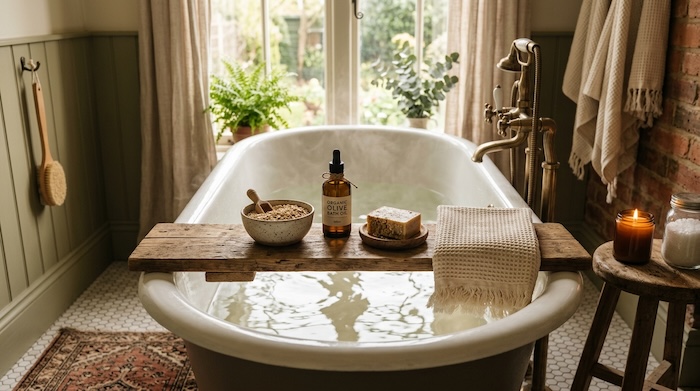
Olive Oil and Milk Bath
One of my favorite homemade remedies is an olive oil and milk bath.
To make it:
- Mix 1 ounce of olive oil with 1 ounce of milk in a small container
- Shake well
- Add it to warm bath water
This can leave your skin feeling soft and moisturized afterward.
Be careful when getting out of the tub though, because the oils can make the bathtub slippery.
I like storing homemade bath blends in small glass bottles for homemade skincare recipes because they’re reusable and easy to clean.
Oatmeal Baths
Oatmeal has been used for generations to help calm irritated skin.
I like placing about 1/2 cup of oatmeal into a muslin bag or cloth bag and letting it soak in warm bath water.
You can also grind the oatmeal into a finer powder before adding it to the bath.
I’ve also found that using oatmeal soap regularly can help keep my skin from feeling overly dry.
Muslin bags for oatmeal baths work really well for this and keep the oatmeal from clogging your drain.
Colloidal oatmeal bath treatments for itchy skin are also popular for soothing dry, irritated skin.
Cold Compresses
Cold can temporarily help calm itching sensations.
Using:
- A cool damp cloth
- A cold compress
- Cool running water
can sometimes provide temporary relief during flare-ups.
Staying Hydrated
Dry skin often becomes worse during winter or when the air is very dry.
I’ve found that drinking enough water and regularly moisturizing my skin helps prevent some itching before it even starts.
Using a humidifier during winter can also help if you heat your home with wood heat or forced air heating.
A cool mist humidifier for dry winter air can make a big difference in off-grid homes and cabins during the colder months.
Laundry Soap and Sensitive Skin
One thing many people overlook is laundry detergent.
Your clothing, towels, and bedding stay in constant contact with your skin, so harsh detergents and fragrances can sometimes continue irritating sensitive skin even after you switch body products.
Making my own laundry soap helped reduce the amount of fragrance and harsh ingredients my skin was exposed to daily.
You may also like my post on Homemade Laundry Soap Recipe if you want to try making your own gentler laundry detergent.
If you prefer store-bought options, look for a fragrance free laundry detergent for sensitive skin to reduce irritation from clothing and bedding.
Ingredients I Avoid When My Skin Is Irritated
When my skin becomes especially dry or sensitive, I try to avoid:
- Heavy artificial fragrances
- Strong dyes and colorants
- Overly harsh cleansers
- Very hot showers
- Alcohol-heavy skincare products
Simple, gentle products usually work best for me.
You may also find my post on Essential Oils vs Fragrance Oils in Soap Making helpful if you have sensitive skin concerns.
Final Thoughts
Living with eczema and dry itchy skin can be frustrating, uncomfortable, and exhausting. While everyone’s skin is different, switching to gentler natural skincare products made a huge difference for me personally.
For me, the biggest improvements came from:
- Using handmade natural soap
- Avoiding heavily scented products
- Changing laundry products
- Moisturizing regularly
- Paying attention to ingredients
Natural remedies may not completely solve severe skin conditions, but they can sometimes help support healthier, more comfortable skin.
If you’re struggling with persistent eczema or severe skin irritation, it’s always best to speak with a healthcare professional or dermatologist.
If you’re interested in making your own soap, you may also enjoy reading:
- Best Oils for Cold Process Soap
- Soap Making Safety Guide
- Natural Soap Benefits
- Soap Additives for Natural Soap Making
Disclaimer
This article is based on my personal experience and is not medical advice. Everyone’s skin is different, and what works for one person may not work for another. Always consult a healthcare professional regarding ongoing skin conditions or allergic reactions.
© 2016 – 2026, Tes. All rights reserved.
My skin becomes itchy when it is winter. I try different creams and lotions, but only few of them help. I’ve never thought about changing the body wash might help to deal with the problem!
I would like to try some natural soap this winter, but I’m just too lazy to make one by myself. Since there are so many different brands and products out there, which one do you recommend? Thanks!
Yes winter can be hard on our skin. I usually do the Olive Oil/Milk bath to help and of course use a good Handmade soap. Check out your local Farmer’s Market, or try this link Handmade Natural Soaps
I did have itchy skin for a very brief period of time and i completely understand how painful it could get sometimes. I had to clip off my nails because scratching my skin usually led to scratches and marks.
The tips you have given are easy to follow and I would surely try them out.
Oh yes I remember having those scratches too at time. I’m glad that you found my post and it will help you get some relief.
Thanks for all the information on natural soaps. I am allergic to some soaps and I personally know the struggle of dry skin. I am using your suggestions and I have already seen great results. The olive oil and milk mixture in this article is really successful in controlling itchy skin.
I’ve been using the Olive oil milk mixture for years, don’t know what I’d do without it. I’m really glad to be able to share that tidbit and here it is working for you. Thanks for letting me know.