It’s important to keep Natural and handmade soaps stored in a cool, dry space away from and moisture, direct heat or sunlight.
Storing your Soap
After your purchase of handmade soap it should be stored in a container that will allow the soap to breath, handmade soaps retain the natural glycerin which may cause the soap to sweat if it is stored in a sealed container. With proper storage your soap will last a long time.
I use cardboard boxes that have air vents in them, but you can use anything that will allow the soap to breath. Even placing them in a tub and covering with paper towel.
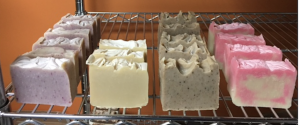 If you have just made soap and are setting it out to cure – be sure to cure it for at least 4 weeks before packaging. As soap cures it needs to breath and will shrink, if you were to label it before it is properly cured the labels will be to big by the time it cures.
I always store soaps with different scents separate from each other because some scents can end up taking on the scent of something that is next to it so best to keep them apart.
Once you have started using your bar of soap
Handmade soap should be left to dry between uses and set in a soap dish that will allow the water to run off. If you soap were to sit in a pool of water it would soften the bar.
When using your soaps a soap dish that will allow drainage will benefit your soap. If you don’t have a dish, you can also place the soap on a folded up dry facecloth. The facecloth will absorb any of the extra moisture allowing the soap to dry and breath.
Depending on what ingredients are in your soap, some oils will melt away faster than others, but if the soap is placed in a dish where the water can drain away from it and keep it dry between uses it will last much longer.
The older the bar is the harder it will be as well. Typically soap should cure between 4 and 6 weeks, if you were to use a two week old bar, it would probably not last very long.
The biggest thing is to keep your bars of soap from sitting in a pool of water.
Here are some soap dishes that will help to keep your bars lasting longer:
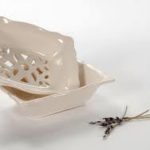
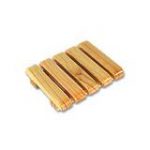
© 2017 – 2018, Tes. All rights reserved.
Hello!
I think this is a great pafe with lots of info. I also think it would be fun making soap and knowing the exact ingredients are in the product. I also like certain scents so this is a perfect example for me to follow.
Thanks for the info and please continue to share your knowledge.
I’m glad you like my site Mark, making soap is fun and you know whats in the bars you make yourself. I have step by step instructions on how to get started if you want to try it out. How to Make Soap at Home -Step by Step instructions with pictures
In a way, it’s amazing how we take for granted something as seemingly mundane as soap bars just because they’re seen as cheap and easy to replace. Admittedly, I have a few soap bars in my own home and I sometimes don’t store them in a cool dry place nor do I let them dry properly. Having read your post, I’ll definitely try paying more attention to proper storage of my soaps.
Hopefully, others will learn to properly store their soaps as well.
The storage of soap is especially important for handmade soap that contains it’s natural glycerin. Most store bought soaps are missing this ingredient so they are able to sit in pools of water without it affecting them.
Storing soaps with different scents is really crucial since I have observed that even keeping them in the same drawer can sometimes mess things up. It is really necessary that they are wrapped and packed and then stored in a dry, clean place.
The post was really informative. Thank you.
Hello, thanks for stopping by the website. You don’t necessarily have to wrap your soap for storage, but keeping the scents separated and stored in a dry place will certainly help to keep your soap longer. I store mine in cardboard boxes with vent. When I have lots of soap I store them on cardboard beer flats covered with paper towel.