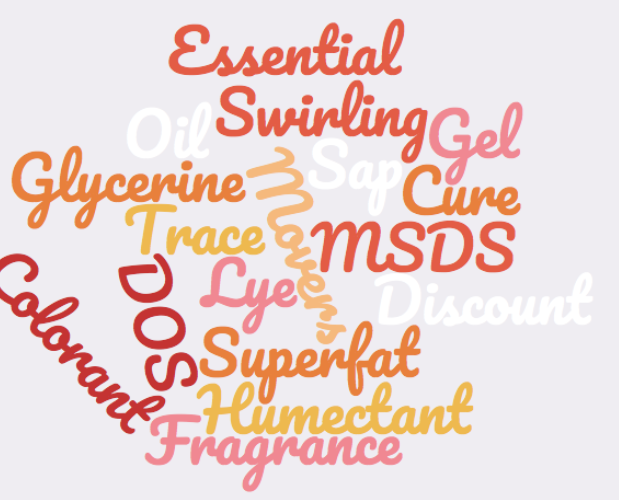
Have you ever been confused by the many soap making terms and abbreviations that are mentioned on websites or in recipes. Well here is a pretty good list of abbreviations and terms to help you through.
Below you will find some of the most common soap making terms and abbreviations.
Castile soap – a soap made from 100% Olive Oil
Cold Process (CP) – A soap making method where oils and lye are mixed without external heat
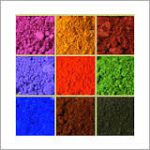
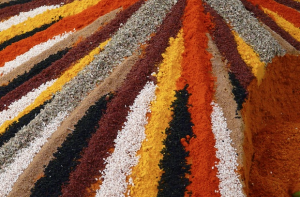
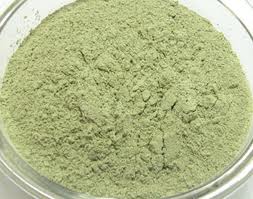
Colorant – a natural or synthetic dye used to color soap
Cure – the amount of time soap is left to become less alkaline and more mild. As the soap cures they change from harsh to mild – this process takes 4 to 6 weeks.
Discount – this means to discount an ingredient. Normally water to get a harder bar.
DOS – also known as the dreaded orange spots, this is a sign of the soap becoming rancid. Sometimes there is no rhyme or reason for this, but it seems to happen more often with oils such as canola and sunflower, be sure when using these oils to use no more than the recommended amount.
Essential Oil (EO) – natural oils that come from plants.
Flash Point – this is the lowest temperature that vapours from essential oils or other oils will ignite.
Fragrance Oil (FO) – synthetic oils sometimes mixed with essential oils to create nice long lasting scents.
Gel – After pouring you soap if you looked into the mold you may see that your soap looks like vaseline. That is fine this is what is known as the Gel phase.
Glycerine – A substance the comes from vegetable oils. Naturally produced in Cold Process soap making leaving a bar of soap with moisturizing properties
Hot Process (HP) – Cooking the Cold Process soap to speed up the saponification process. The bars can be used right away, but are much better if left to cure.
Humectant – an ingredient that draws moisture from the air to the skin.
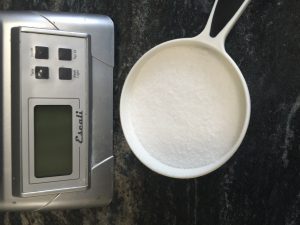
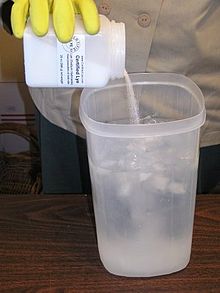
Lye – also known as sodium hydroxide comes in beads and is added to the water in a soap recipe to make the lye/water solutions added to the soap oils.
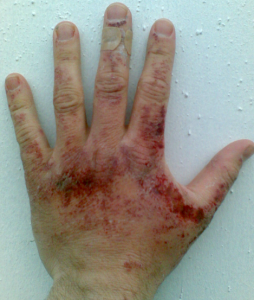
MSDS – “Material Safety Data Sheet” These sheets contain important information regarding the product such as the Manufactures name, hazards and potential health risks, first aid measures, how to handle and store the products etc.
Movers – Some fragrance oils can be movers. These are ingredients that will speed up the trace of your soap when added.
PH – a scale that is used to measure how much hydrogen ion is in a substance. A ph of 7 is just right. 1 – 7 is acidic where as 8 – 14 is alkaline.
RT – Room Temperature
Saponification – the chemical process where the lye reacts with the oils to produce soap
Sap Number – This measures the milligrams of lye needed to saponify one gram of that oil.
Seizing – this happens when our soap goes from a nice consistency to something resembling mashed potatoes in a quick amount of time. I have had fragrance oils have this effect on my soap. Mold it as quick as you can and test it later to make sure it is okay.
Setting Up – another term for trace
Superfatting – this is when oils are left in the final bars after saponification. This makes a more moisturizing bar, but care needs to be taken as these bars can be more prone to becoming rancid and the shelf life is much shorter.
Swirling – A method used to color your soap. There are different ways of doing this, but taking out some soap adding color and then pouring back into your pot before pouring into the mold can produce some interesting swirls.
Trace – is when the oils and water/lye mixture combine and start to thicken – a consistency of pudding would be a medium trace.
Zap Test – a test where you place your tongue on the soap. If you get a zap then there is still lye present in the soap and it is not ready for use yet.
© 2017 – 2018, Tes. All rights reserved.
I am so pleased to have landed on your site!
I have been thinking about making natural soap. There a few tourist shops in Victoria Falls that sell handmade soap, but they just seem so dear.
My Aunt once gave me a quick lesson – she makes goat milk soap, but we just did a common recipe. It was a while back.
This list you have here is exactly what I need to get started and learn more about this hobby. I am now inspired!
So glad to have helped, I know when I first started I had no idea of the different terms for soap making, enjoy your new hobby, and thanks for stopping by and commenting on the site.