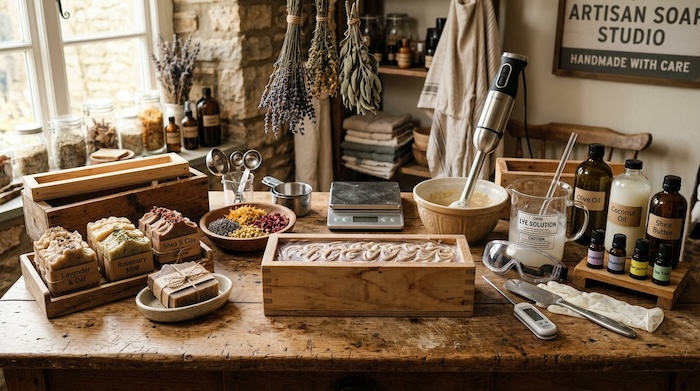
If you’re new to soap making, some of the terminology can feel overwhelming at first. When I first started making cold process soap, I remember reading recipes filled with abbreviations like CP, HP, EO, FO, trace, gel phase, and superfatting — and having no idea what half of them meant.
This beginner-friendly soap making glossary explains the most common soap making terms and abbreviations you’ll see in recipes, tutorials, and soap making forums. Understanding these terms makes it much easier to follow recipes safely and troubleshoot problems when they happen.
If you’re completely new to soap making, start with my guide on internal link: How to Make Cold Process Soap at Home.
Castile Soap
Castile soap is a traditional soap made with 100% olive oil. It creates a gentle, mild bar with a creamy lather and is popular for sensitive skin.
Related reading: Best Oils for Cold Process Soap Making
Cold Process Soap (CP)
Cold process soap making is the most common soap making method. Oils and lye are combined without external cooking after mixing. The soap then cures for 4 to 6 weeks before use.
Cold Process Soap Making for Beginners
Colorants
Colorants are ingredients added to soap to change or enhance the color. Soap makers use natural colorants like clays, herbs, and spices, or synthetic options like mica powders and oxides.
I like using mica powder soap colorants for bright, vibrant soap colors that stay stable in cold process soap.

Cure
Curing is the process of allowing soap to dry and harden after making it. During curing, excess water evaporates and the soap becomes milder and longer-lasting. Most cold process soaps need 4 to 6 weeks to cure properly.
I cure my bars on a stainless steel cooling rack to improve airflow around the soap.
Discount
Discounting usually refers to reducing the amount of water used in a soap recipe. A water discount can help soap harden faster and unmold sooner.
DOS (Dreaded Orange Spots)
DOS stands for “Dreaded Orange Spots,” which are orange or rusty-looking spots that appear when soap starts becoming rancid. Oils with shorter shelf lives, like canola or sunflower oil, may increase the risk if used in high amounts.
To help prevent DOS:
- Use fresh oils
- Store soap in a cool dry place
- Avoid excess humidity
- Use oils within their shelf life
Essential Oils (EO)
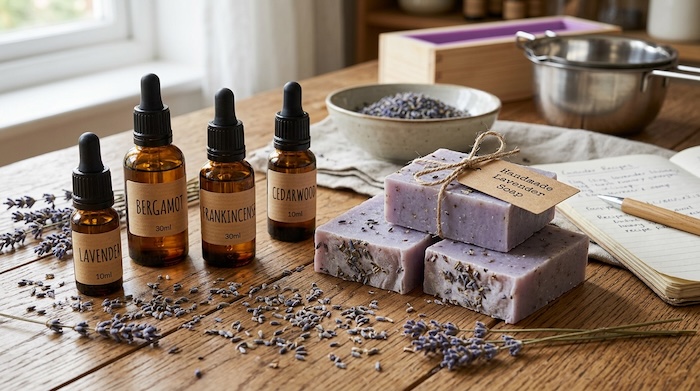
Essential oils are concentrated natural plant oils used to scent soap naturally.
Internal link:
For beginners, I recommend starting with a simple lavender essential oil because it behaves well in cold process soap.
 Flash Point
Flash point refers to the temperature at which vapors from oils or fragrance materials can ignite. In soap making, flash point mainly matters during storage and handling.
Fragrance Oils (FO)
Fragrance oils are synthetic or blended scents designed for products like soap, candles, and bath products. Some fragrance oils accelerate trace or discolor soap.
Internal link:
Gel Phase
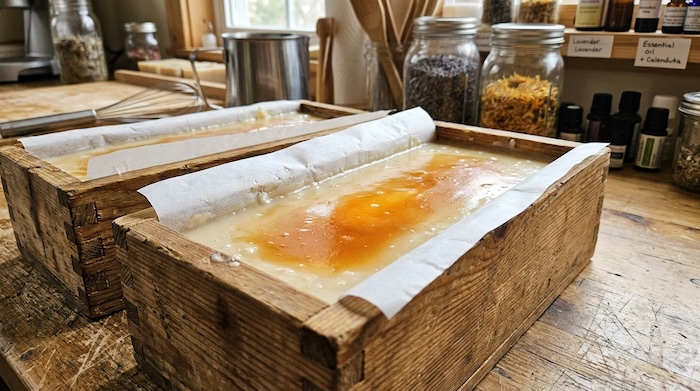
Gel phase happens when soap heats up internally after being poured into the mold. The soap may appear shiny or translucent, almost like petroleum jelly. Gel phase is normal and often helps colors appear brighter.
Glycerin
Glycerin is naturally produced during the soap making process. Handmade cold process soap retains this natural glycerin, which helps attract moisture to the skin.
Hot Process Soap (HP)
Hot process soap is made by cooking the soap batter during saponification. This speeds up the process and allows soap to be used sooner, although curing still improves the final bars.
Humectant
A humectant is an ingredient that attracts moisture from the air to the skin. Common humectants include glycerin and honey.
Lye
Lye, also called sodium hydroxide, is necessary for making real soap. Without lye, oils cannot go through saponification.
Internal links:
- Can You Make Soap Without Lye?
- What To Do If Lye Touches Skin
- How To Use a Soap Lye Calculator Safely
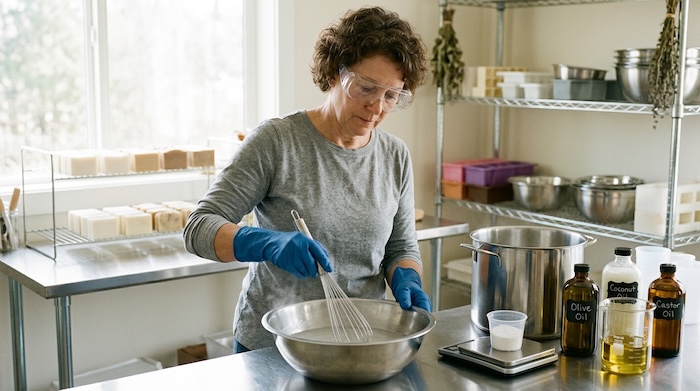
Always wear chemical-resistant gloves and safety goggles when handling lye.
MSDS (Material Safety Data Sheet)
An MSDS or SDS sheet provides important safety information about ingredients, including handling instructions, hazards, storage recommendations, and first aid information.
Movers
A “mover” is a fragrance oil or ingredient that speeds up trace quickly, causing soap batter to thicken faster than expected.
pH
pH measures how acidic or alkaline a substance is. Soap is naturally alkaline and typically has a pH between 8 and 10 after curing.
RT (Room Temperature)
RT simply means room temperature.
Saponification
Saponification is the chemical reaction between oils and lye that creates soap.
SAP Value (Saponification Value)
SAP value measures how much lye is needed to fully saponify a specific oil. This is why soap makers use a lye calculator for every recipe.
Internal link:
- How To Use a Soap Lye Calculator Safely
Seizing
Seizing happens when soap batter thickens extremely quickly, often because of fragrance oils or temperature issues. The batter may suddenly resemble mashed potatoes.
Setting Up
“Setting up” is another way soap makers describe trace or thickening soap batter.
Superfatting
Superfatting means leaving extra oils unsaponified in the finished soap for added moisturizing properties.
Swirling
Swirling is a soap design technique where colored soap batter is blended into patterns and designs.
Image Prompt
Beautiful artisan cold process soap loaf with colorful swirls in blues, pinks, and creams being cut into bars, dramatic close-up, handmade soap studio
Trace
Trace is the stage where oils and lye emulsify and begin thickening. Light trace resembles thin cake batter, while medium trace looks more like pudding.
Zap Test
The zap test is a traditional method some soap makers use to check for active lye in soap. If the soap gives a quick “zap” sensation on the tongue, it may not be fully saponified yet.
For beginners, I recommend using proper cure times and pH testing instead of relying on the zap test alone.
Final Thoughts
Learning soap making terminology gets much easier with practice. Once you understand the common terms used in recipes and tutorials, following soap making instructions becomes much less intimidating.
If you’re just getting started, these beginner guides may also help:
- Cold Process Soap Making for Beginners
- Best Oils for Soap Making
- Soap Making Safety Tips
- How To Use a Soap Lye Calculator Safely
Disclaimer
The information provided on this website is for educational purposes only and should not be considered professional advice. Always practice proper safety when making soap or skincare products.
This post may contain affiliate links. As an Amazon Associate, I earn from qualifying purchases at no additional cost to you.
© 2017 – 2026, Tes. All rights reserved.
I am so pleased to have landed on your site!
I have been thinking about making natural soap. There a few tourist shops in Victoria Falls that sell handmade soap, but they just seem so dear.
My Aunt once gave me a quick lesson – she makes goat milk soap, but we just did a common recipe. It was a while back.
This list you have here is exactly what I need to get started and learn more about this hobby. I am now inspired!
So glad to have helped, I know when I first started I had no idea of the different terms for soap making, enjoy your new hobby, and thanks for stopping by and commenting on the site.