Many beginners search for how to make soap without lye because working with sodium hydroxide can feel intimidating. While that concern is completely understandable, there’s an important truth to understand upfront:
👉 There is no such thing as true soap without lye.
At some point in the soap-making process, lye is always used to create soap through a chemical reaction called saponification. Without lye, the final product is not technically soap — it’s a detergent or cleanser.
That said, you can make soap without personally handling lye, and there are several safe, beginner-friendly methods to do exactly that.
Below are the most popular and practical ways to make soap without directly working with lye.
Table of Contents
Click a section below to jump directly to that topic.
- Can You Make Soap Without Lye?
- Melt and Pour Soap (The Easiest Lye-Free Method)
- Hand-Milled (Rebatched) Soap
- Soap-Making Kits (Measured for Safety)
- What Is Not Soap Without Lye?
- Can You Make Natural Soap Without Touching Lye?
- Frequently Asked Questions
- Final Thoughts
<
Melt and Pour Soap (The Easiest Lye-Free Method)
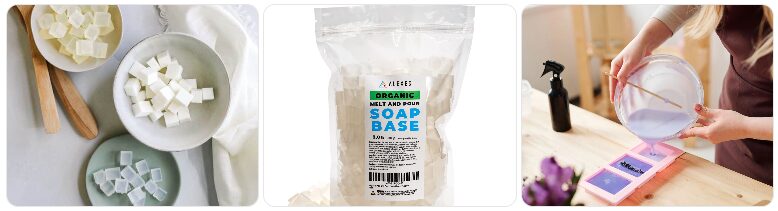
Melt and pour (M&P) soap is one of the simplest ways to make soap without handling lye yourself.
In this method, the soap base has already gone through the saponification process by the manufacturer. All you need to do is:
-
Cut the soap base into chunks
-
Melt it gently (double boiler or microwave)
-
Add fragrance, essential oils, or color
-
Pour into molds and let it harden
Things to Watch For with Melt and Pour Soap
Some melt and pour bases contain sodium lauryl sulfate (SLS) or sodium laureth sulfate (SLES), which can be irritating for sensitive skin.
✔ Look for:
-
SLS-free melt and pour bases
-
“Detergent-free” or “low-sweat” options
-
Transparent ingredient lists
Melt and pour soap is an excellent choice for beginners, kids’ projects, and anyone who wants creative freedom without safety concerns.
Hand-Milled (Rebatched) Soap
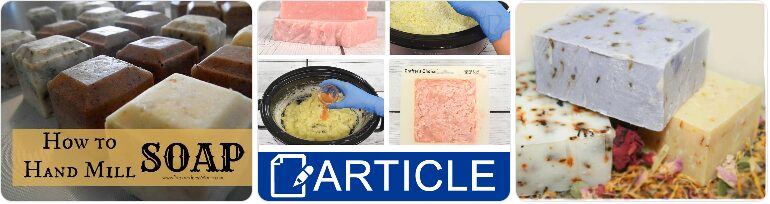
Hand-milled soap, also known as rebatch soap, uses fully cured bars of real soap as the starting point.
How Hand-Milled Soap Works
-
Choose a plain, unscented, additive-free soap bar
-
Grate the soap finely (smaller shavings melt faster)
-
Heat gently in a crockpot or double boiler
-
Once softened, add color, scent, or botanicals
-
Spoon into lined or silicone molds
Because the soap has already been made, you never handle lye, yet the final product is still true soap.
This method is great for:
-
Repurposing failed batches
-
Customizing store-bought natural soaps
-
Beginners who want more control than melt and pour
Soap-Making Kits (Measured for Safety)

Soap kits are designed for people who want to try soap making without the stress of calculating lye amounts.
What Soap Kits Include
-
Pre-measured oils and lye
-
Gloves and safety instructions
-
Colorants and fragrance options
-
Step-by-step guidance
⚠ Important:
Soap kits do contain lye, but the measuring and calculations are already done for you, significantly reducing risk.
These kits are ideal if you:
-
Want to learn cold process soap making safely
-
Prefer structured instructions
-
Want to see if soap making is right for you
Understanding how different soap making oils affect hardness, lather, and skin feel will help you choose better soap bases and kits.
What Is Not Soap Without Lye?
A product made without any lye at any stage is not soap.
Instead, it is usually a synthetic detergent, often referred to as a syndet bar or cleanser.
These products are commonly found in:
-
Some shampoo bars and cleansing bars
-
Dish soap
-
Some liquid hand soaps
They are made using:
-
Foaming agents
-
Chemical surfactants
-
Petroleum-derived ingredients
While they can clean, they do not offer the same benefits as real soap made through saponification.
Cold process soap making offers full control over ingredients once you’re comfortable working with lye safely.
Can You Make Natural Soap Without Touching Lye?
Yes — as long as you choose the right method.
✔ Melt and pour soap
✔ Hand-milled (rebatch) soap
✔ Beginner soap-making kits
All allow you to create beautiful, functional bars without directly handling lye, while still producing real soap.
Final Thoughts
If you’re uncomfortable working with lye, that doesn’t mean soap making is off-limits. Understanding where lye fits into the process allows you to make informed, safe choices that match your comfort level.
If you decide to move into traditional soap making later, learning to use a soap lye calculator safely is essential.
Soap making should feel creative, empowering, and enjoyable — not intimidating.
Frequently Asked Questions
Q: Can you really make soap without lye?
A: True soap always requires lye at some stage of production. However, you can make soap without personally handling lye by using melt and pour bases, hand-milled soap, or beginner soap kits.
Q: Is melt and pour soap real soap?
A: Yes. Melt and pour soap has already gone through the saponification process, meaning lye was used by the manufacturer and is no longer present in the finished soap.
Q: Is lye-free soap safer for skin?
A: Properly made soap does not contain active lye. Skin safety depends more on ingredients used, such as oils, fragrances, and additives, rather than whether lye was used during production.
Q: What happens if a soap contains no lye at all?
A: Products made without lye at any stage are synthetic detergents, not true soap. These often contain surfactants and petroleum-derived ingredients.
Q: What is the safest soap-making method for beginners?
A: Melt and pour soap is the safest and easiest method for beginners who want to avoid handling lye while still making real soap.
Important Note
This information is for educational purposes only and does not replace professional testing or medical advice.
Always follow safe soap-making practices and verified recipes.
Important Note:
This information is for educational purposes only. Always follow supplier guidelines and safe usage rates when scenting soap.
This post may contain affiliate links. If you make a purchase through these links, I may earn a small commission at no extra cost to you.
© 2025 – 2026, Tes. All rights reserved.
Hey Teresa
The more I dig into any topic, the more I get to know about potential harms 🙁 this is so frustrating – I don’t understand why so many chemicals should be used nowadays… If talking about soap, I have learnt that soap coming in pieces is less harmful than liquid soap.
Anyway – it seems it is much safer to make soap by yourself, then at least you can be sure what you have put inside. And this is so true not only about soap but about many things nowadays. It is very sad the world runs like this.
Thanks for stopping by the website. I prefer making bar soap I just love how it makes my skin feel, and knowing what is in my own soap makes it that much better. It is sad how so many things these days have toxic chemicals added.