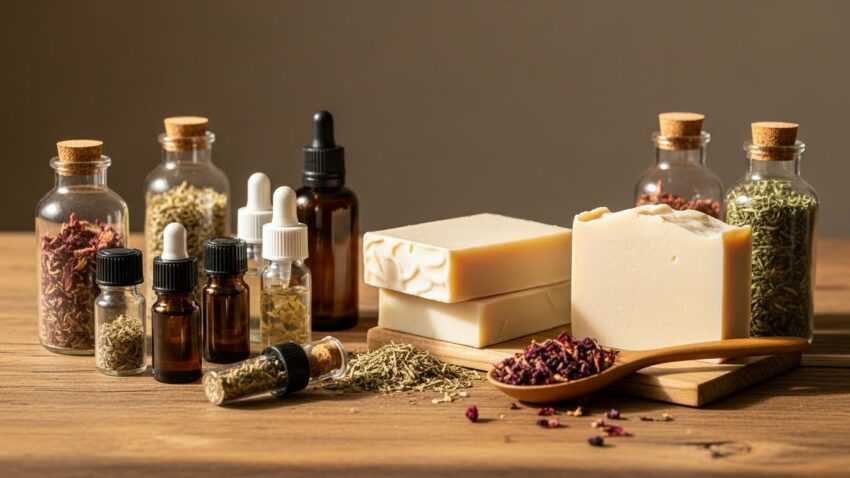
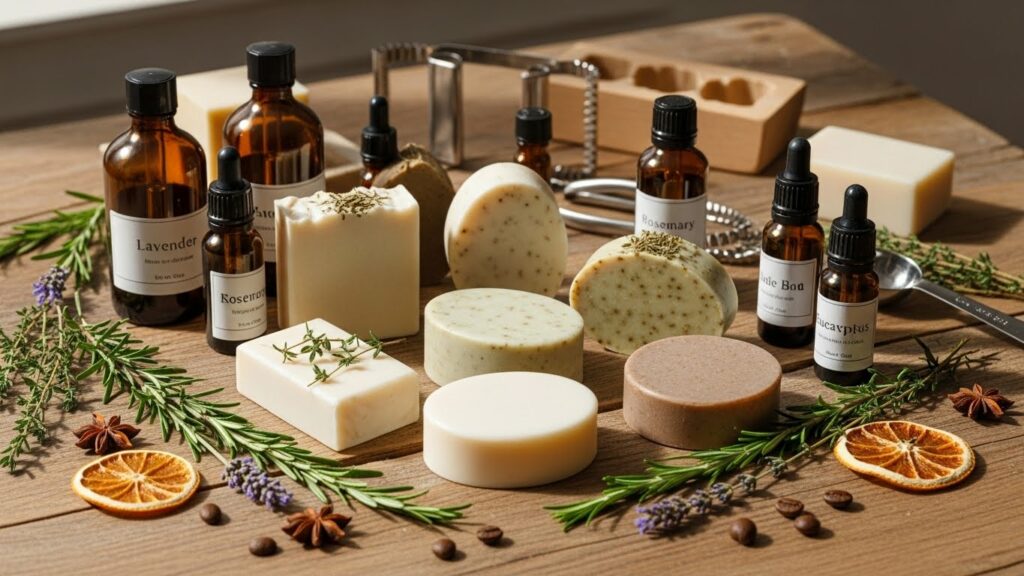
Scenting handmade soap is one of the most creative — and often confusing — parts of soap making. With so many options available, it’s not always clear what you can scent soap with, what works best, and what should be avoided altogether.
From essential oils and fragrance oils to herbs and natural add-ins, each scenting method affects your soap’s aroma, longevity, and skin feel differently.
This guide explains what to scent soap with, the pros and cons of each option, and how to choose the best scent for your soap recipe — especially for cold process and natural soap making.
Essential Oils (Natural Soap Scenting)
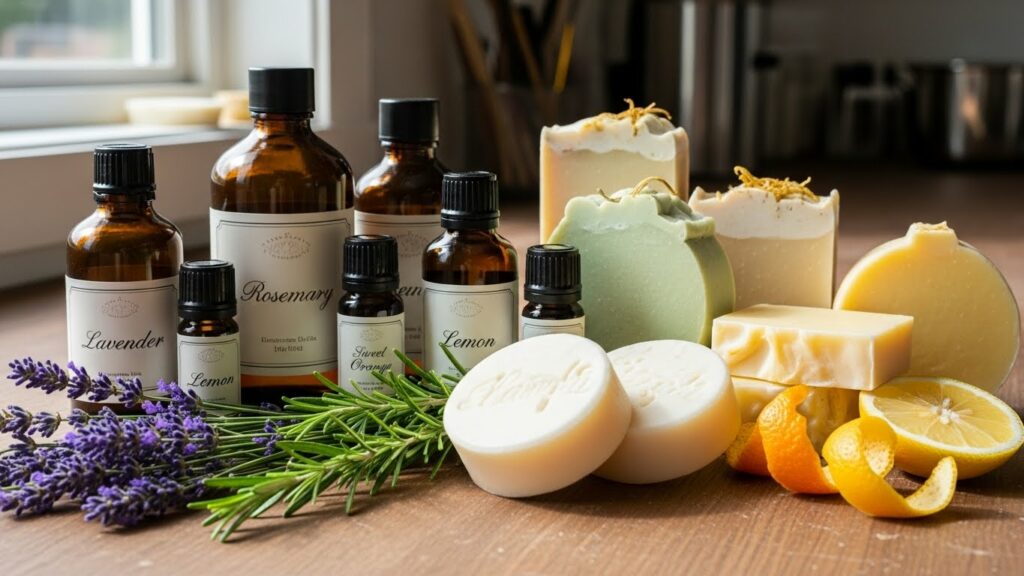
Essential oils are concentrated plant extracts commonly used to scent natural soap. They are valued for their botanical origin and, in some cases, their aromatherapy properties.
Pros
-
100% natural
-
Plant-based aroma
-
Popular for sensitive skin and natural soap lines
Cons
-
More expensive than fragrance oils
-
Some scents fade during curing
-
Must be used at safe usage rates
-
Not all essential oils are suitable for all skin types
Not all essential oils behave the same in soap. Citrus oils tend to fade quickly, while oils such as patchouli, cedarwood, lavender, and vetiver usually last much longer.
👉 Always calculate essential oil usage rates carefully and avoid skin-irritating oils in baby or sensitive-skin products. Refer to trusted supplier or IFRA guidelines for safe usage.
If you’re unsure whether to choose essential oils or fragrance oils, see this full comparison: Essential Oils vs Fragrance Oils.
If you’re new to working with essential oils, a starter essential oil set designed specifically for soap making can make experimenting safer and more affordable.
Fragrance Oils (Reliable & Long-Lasting Scents)
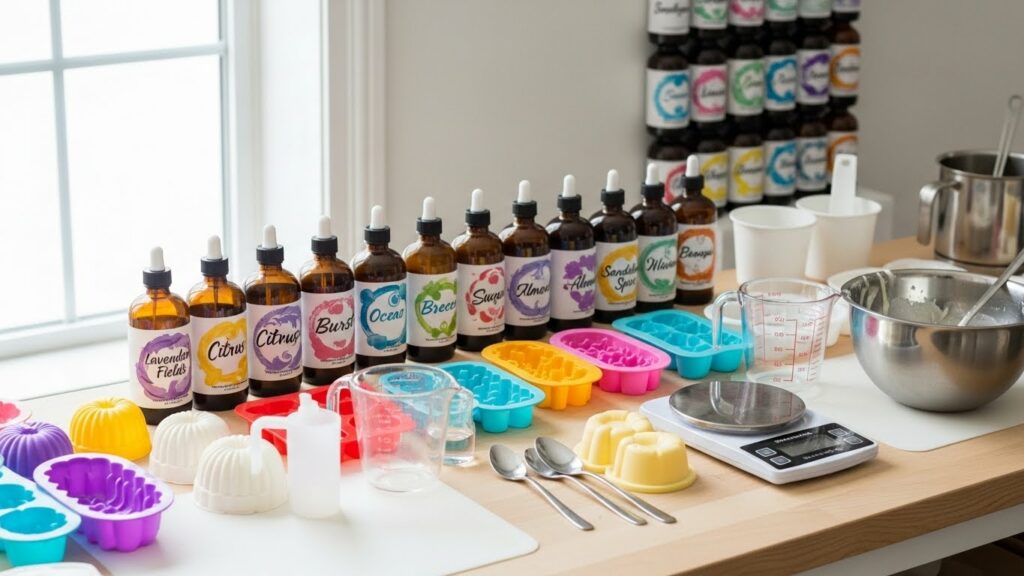
Fragrance oils are lab-created or blended scents designed specifically for products like soap, candles, and cosmetics.
Pros
-
Strong, long-lasting scent
-
Affordable
-
Thousands of scent options
-
Consistent results
Cons
-
Not fully natural
-
Some may accelerate trace or discolor soap
Fragrance oils are an excellent choice for soap makers who want bold, dependable scents — especially for gift soaps, markets, or themed collections. Many modern fragrance oils are now paraben-free and formulated specifically for cold process soap.
Be aware that some fragrance oils can negatively affect soap quality. I once used a beautiful jasmine fragrance that caused the bars to turn rancid after a few months. This can happen with poorly formulated or unstable fragrance oils, which is why testing new scents is always recommended.
Always confirm that fragrance oils are skin-safe and approved for soap making.
When using fragrance oils, always choose scents specifically approved for cold process soap.
Many soap makers prefer fragrance oils formulated specifically for cold process soap, which include usage rates and behavior notes.
Herbs, Spices & Botanicals
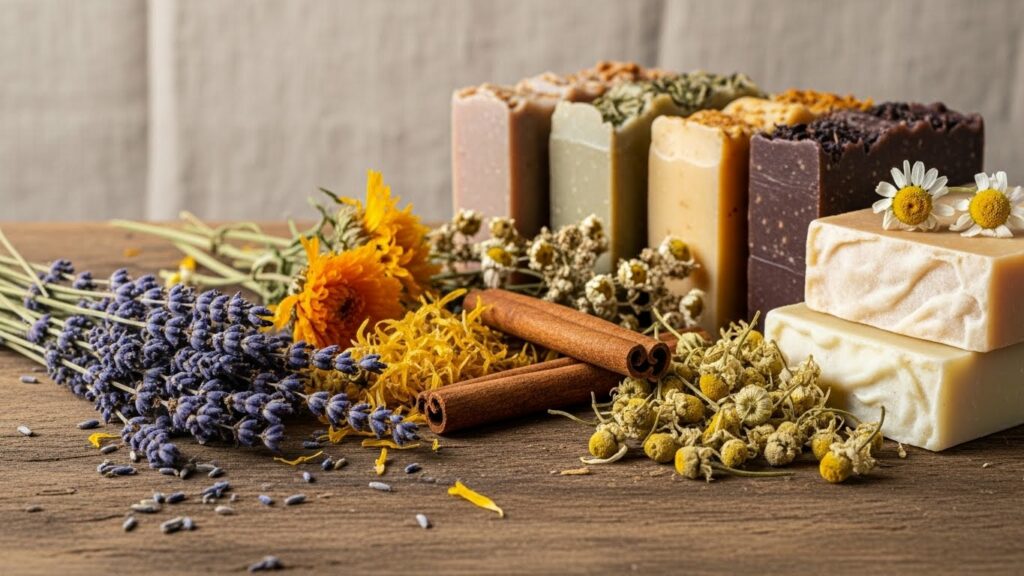
Herbs and botanicals are sometimes added to soap, but they do not provide long-lasting fragrance.
Common examples include:
-
Lavender buds
-
Chamomile flowers
-
Calendula petals
-
Cinnamon or clove (used very sparingly)
These ingredients are best used for visual appeal rather than scent. Over time, many botanicals can discolor, bleed, or turn brown inside the soap. Botanicals should never be relied on as the primary scent in soap.
Natural Add-Ins That Can Affect Scent
Some natural ingredients may lightly influence the scent of soap, including:
-
Cocoa powder
-
Coffee
-
Honey
-
Goat milk
These scents are usually subtle and often fade during curing. They work best when paired with essential oils or fragrance oils to help stabilize the scent.
What NOT to Use to Scent Soap
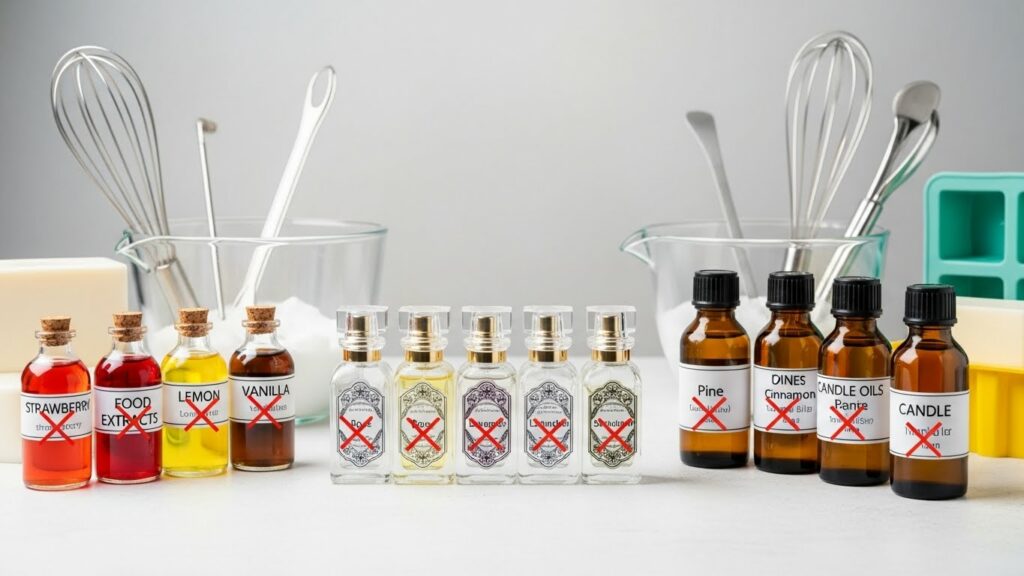
Avoid using the following:
-
Food extracts (vanilla extract, baking flavorings)
-
Perfumes or body sprays
-
Candle oils not approved for skin use
These products are not formulated for soap making and may fade, separate, cause skin irritation, or create unsafe bars.
How to Choose the Right Soap Scent
-
Choose essential oils for natural and sensitive-skin soaps
-
Choose fragrance oils for strong, consistent scent
-
Avoid heavy botanicals in smooth or detailed bar designs
-
Always check IFRA or supplier usage guidelines
-
Consider whether your soap is cold process, hot process, or melt and pour
Beginners may also find it helpful to use a soap lye calculator to ensure safe, balanced recipes.
Accurate scent usage starts with weighing oils properly using a reliable digital scale.
FAQ – Scenting Handmade Soap
What is the best natural way to scent soap?
Essential oils are the most common natural option for scenting soap when used at proper usage rates.
Can I scent soap with food or extracts?
No. Food extracts and flavorings are not suitable for soap making and usually fade or cause problems.
Why does my soap lose its scent?
High water content, excessive heat, long cure times, and oil choices can all affect scent retention.
Can I mix essential oils and fragrance oils in soap?
Yes. Many soap makers blend essential oils and fragrance oils, but both must be skin-safe and usage rates must be calculated carefully.
Storing Soap Scents (Essential & Fragrance Oils)
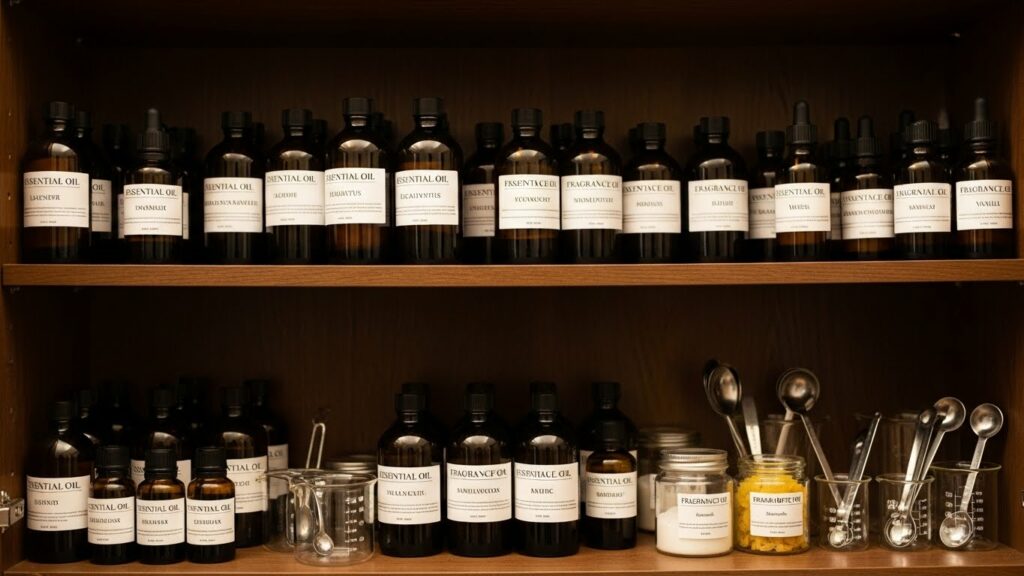
Proper storage helps extend the life and quality of your soap scents.
Essential oils should be stored in dark glass bottles, away from heat and light. Shelf life varies by oil. Expensive oils like sandalwood, rose, and jasmine may improve with age, while citrus oils often last only 6–12 months.
Fragrance oils should also be stored in tightly sealed dark glass bottles.
When stored properly, most fragrance oils remain stable for two years or longer. Storing oils in amber glass bottles helps protect them from light and extends shelf life.
Essential Oil Scent Families

Essential oils are often grouped into scent families, which can make blending easier. Some scents listed below are commonly found as fragrance oils rather than true essential oils.
Citrus
Petitgrain, Lime, Grapefruit, Bergamot, Orange, Lemon, Verbena, Tangerine
Herbal
Sage, Fennel, Juniper, Tarragon, Rosemary, Dill, Coriander, Caraway Seed
Fruit (often fragrance oils)
Cherry, Apple, Peach, Strawberry, Apricot, Currant
Woodsy
Juniper, Rosewood, Sandalwood, Cedarwood, Patchouli
Evergreen
Pine varieties such as Swiss, Mountain, Ocean, and Stone
Floral
Iris, Apple Blossom, Hyacinth, Lilac, Jasmine, Rose, Geranium, Carnation, Gardenia, Honeysuckle, Lavender, Ylang-Ylang
Green
Violet, Basil, Cucumber
Follow this link to learn how to naturally color your soap using botanicals and spices:
How to Color Soap – Spices, Herbs, and Plant Oils
© 2018 – 2026, Tes. All rights reserved.
Fantastic idea for boosting the scent of soaps. My wife has been looking for ideas just like this. I’ve found lavender to be very soothing especially if I want to fall asleep.
Do you have any recommendations for good wholesalers? Amazon is alright but tends to be a little on the expensive side?
I can recommend some wholesalers and soap suppliers for you Dushan. Here is a link to a list of them for you. I’m sure your wife will be able to use one of these suppliers and save some money for sure. Where to buy soap making supplies
This is something I’m interested in doing! I’d really like to make my own soaps, and candles. This is a great stepping stone to kick start me off, starting at the basics to one day be a pro soap maker. I think herbal, and fruits, is the direction I will be following, so thank you, for starting me off on my way.
your welcome. Scents are so much fun, i’m glad I was able to help inspire you to make your own products. I can be so rewarding.
Hi. This is awesome! I never knew you could scent soap with essential oils. I thought you could only use a specific chemical.
Do the essential oils still work well for their aromatherapy qualities, once infused in the soap? Does it work out cheaper to make your own soap, or is it cheaper to buy pre made?
Thanks
Hello Snow, yes I make most of my soaps with essential oils, if you are looking for aromatherapy it’s best to use the essential oils, but you still may benefit to some degree with the natural soap. Whether handmade soap is cheaper than store bought would depend on what you put in your recipe. I will say tho that the natural soap is much healthier as you know what is in them and often the store bought brands have chemicals and the lack of natural glycerin. Natural Soap Making – so you want to start making your own soap
I really want to color my soaps naturally since I am allergic to many things so I want to use my won hypoallergenic soap. I think that apple or apricot smell really nice and I am sure that my family will also like them. However how many tubes should I buy?
Hell Furkan, I too am allergic to many things, this is why I started out making my own soap. Olive oil is gentle to the skin, so I make an olive oil soap, the recipe I use is Soap Making Recipes the first recipe on this page. This recipe makes approximately 30 bars of soap and to this I add approximately 2 ounces of scent. Lavender is a good essential oil for sensitive skin. The Apple or Apricot would be nice, but those would be fragrance oils. Benefits Lavender Essential Oil
Check out this page for where to buy some of your supplies.
Where to buy soap making supplies
Happy soaping
Simple, straightforward outline of different options. Been looking for ways to boost the aromas. Love the suggestion of Natural Add-Ins, always looking for a more natural scent, definitely going to try. Never had success with herbs or botanicals, always just used the oils; didn’t realize they were more just for appearance. Plenty of options and varieties to choose from.
I’m glad you like the post. I like the natural scents myself. Good luck and let me know how things turn out for you.