If you’re just getting into cold process soap making, exploring additives is one of the best ways to customize your bars and make them truly unique. From silky goat milk to earthy clays or even a swirl of honey, the number of possibilities can feel almost endless. Over the years I’ve experimented with many different…
Category: Ingredients
Understand the oils, butters, additives, and natural ingredients used in soap making. Learn how each ingredient affects hardness, lather, conditioning, and shelf life.
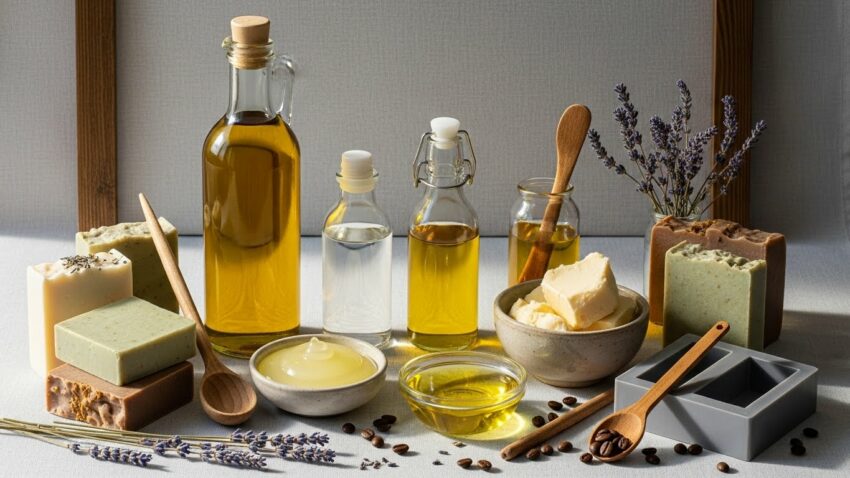
Soap Making Oils – 10 of the Best Oils to Use
How Soap Making Oils Affect Hardness, Lather, and Skin Feel Soap making oils have different molecular compositions, and it’s these fatty acids that determine how a finished bar of soap performs. Hardness, lather, longevity, and skin conditioning all depend on the oils you choose and how you balance them. Once a soap maker understands how…
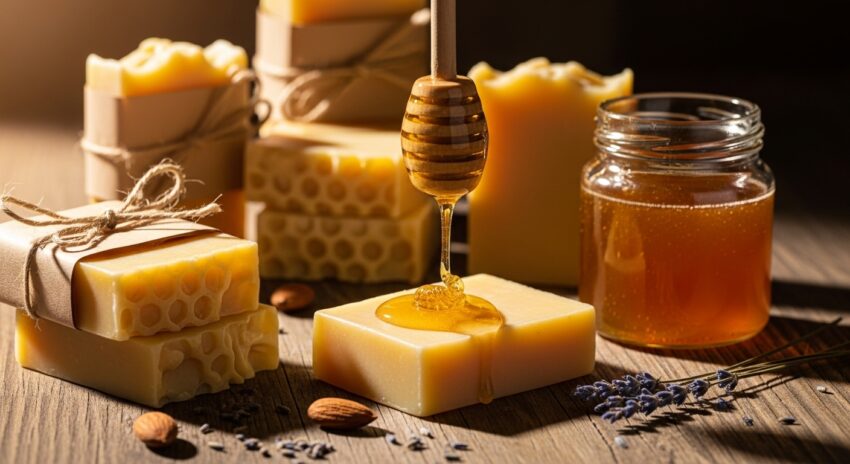
Using Honey in Soap Making: Benefits, Tips, and Precautions
Honey has been used in skincare for centuries, long before commercial cleansers and synthetic additives existed. In handmade soap, honey isn’t just a decorative ingredient — it’s a functional addition that can improve moisture retention, boost lather, and enhance the overall feel of a bar. If you’ve been curious about using honey in soap making,…
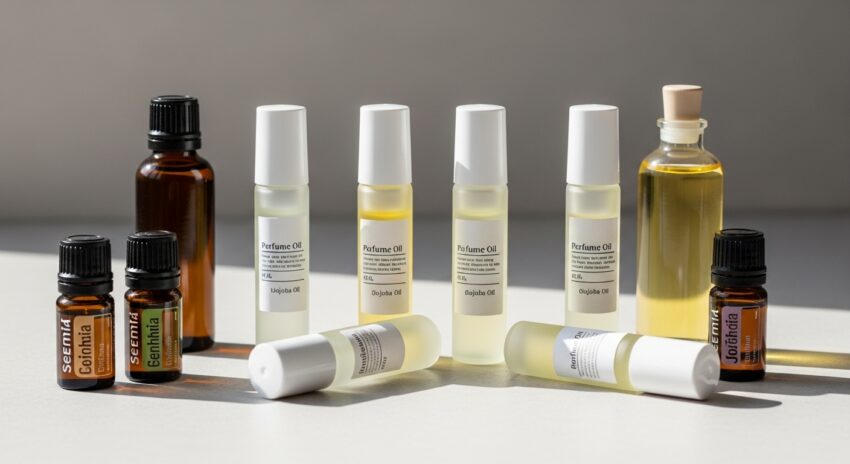
Perfume Oils: How to Make Roll-On Perfume Oils at Home
One of the easiest, most affordable, and most enjoyable products I ever made for markets and events was perfume oil. I simply took my top 10 best-selling soap scents and turned them into roll-on perfume oils. They were beautifully packaged, easy to make, and consistently popular — selling for $12.95 each. Perfume oils require no…
Are Perfumes Toxic? What You Should Know About Fragrance Ingredients
Perfumes are designed to smell beautiful — but many people are starting to ask an important question: Are perfumes toxic or potentially harmful? The answer isn’t black and white. Some conventional, store-bought perfumes contain synthetic fragrance blends made up of dozens of undisclosed chemicals, while natural perfume oils made with essential oils typically offer greater…
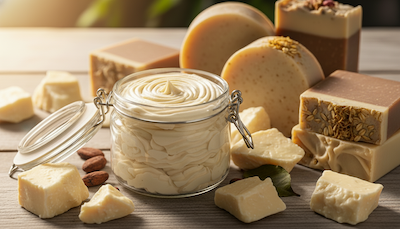
Cocoa Butter Benefits for Skin and Soap Making
Have you ever wondered where the rich, creamy ingredient in many natural skincare products actually comes from? I’m talking about cocoa butter, one of the most popular ingredients in natural skincare and cold process soap making. Cocoa butter doesn’t just appear magically in lotions and soaps. It begins its life inside the pods of the…
The Flash Point of Soap Oils
Know the temperature at which soapmaking oils can become combustible or flammable and will burn when coming in contact with a spark
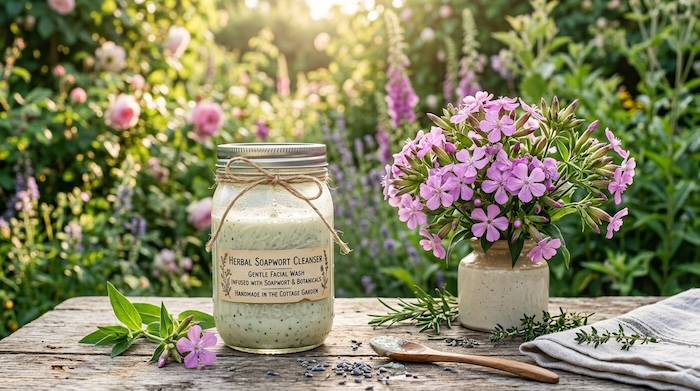
How To Make Soapwort Soap Naturally (Traditional Herbal Cleanser)
Soapwort is one of my favorite herbs growing in the garden. Not only does it produce beautiful pink and purple flowers for months through the summer, but it also has a long history as a natural cleanser. Long before commercial soaps existed, people used soapwort because the plant naturally creates a gentle soap-like lather…
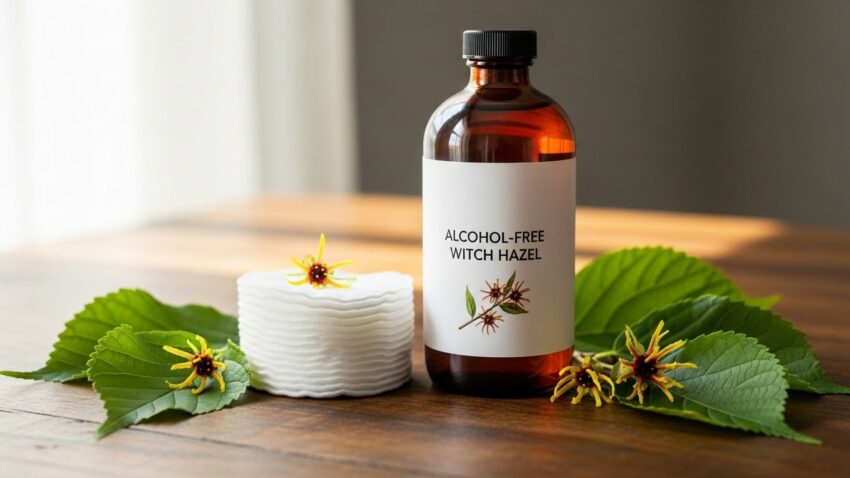
🌿 Witch Hazel Benefits & Uses for Skin, Soap, and Natural Remedies
Witch hazel has been used for generations as a gentle, plant-based remedy for soothing skin, calming irritation, and supporting natural skincare routines. From facial toners to baby care and herbal first aid, witch hazel remains a staple ingredient in natural living — especially for those who prefer simple, effective solutions. This guide explains what witch…
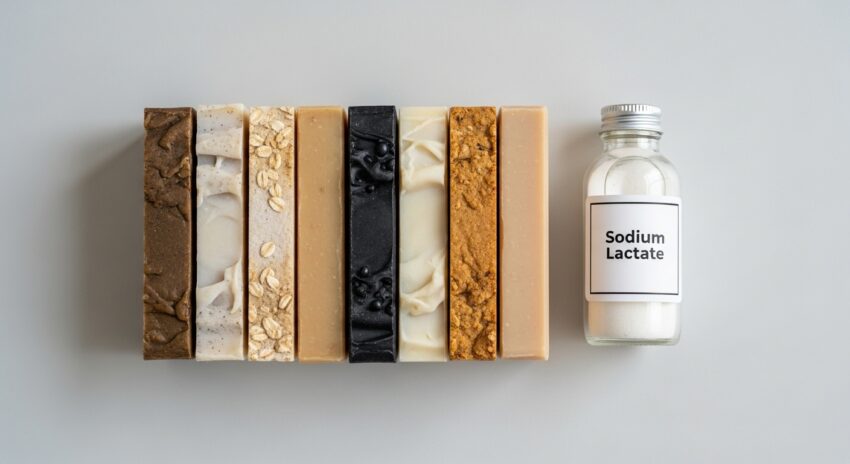
Sodium Lactate and Soap
What Is Sodium Lactate? Uses in Soap Making, Skincare, and Food Preservation Sodium lactate is the sodium salt of lactic acid, typically produced through the fermentation of natural sugar sources such as corn or sugar beets. It appears as a clear liquid, though powdered forms are also available for industrial and food-related applications. Because it…