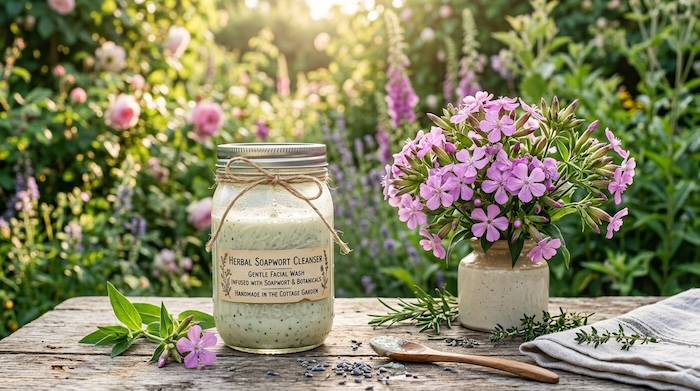
Soapwort is one of my favorite herbs growing in the garden. Not only does it produce beautiful pink and purple flowers for months through the summer, but it also has a long history as a natural cleanser.
Long before commercial soaps existed, people used soapwort because the plant naturally creates a gentle soap-like lather when mixed with water. It was commonly used to wash delicate fabrics, skin, and even hair.
If you enjoy herbal skincare, natural living, or old-fashioned soap making, soapwort is a fascinating plant to grow and experiment with.
If you’re new to making your own soap products, you may also enjoy my post on How To Make Cold Process Soap at Home.
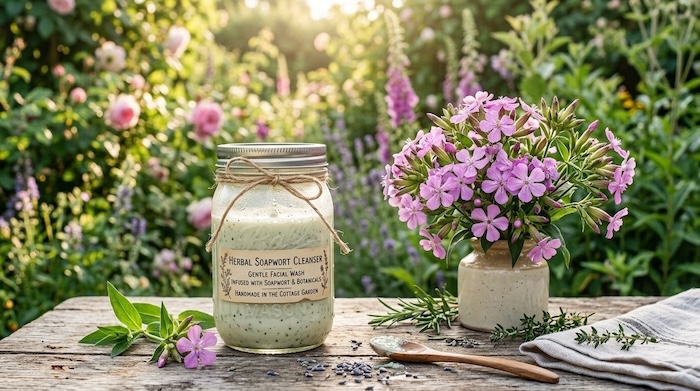
What Is Soapwort?
Soapwort (Saponaria officinalis) is a flowering perennial herb that contains natural compounds called saponins. These saponins create a mild foaming action when the leaves or roots are crushed in water.
Because of this natural cleansing ability, soapwort has been used for centuries as a gentle herbal wash for:
- Skin
- Hair
- Delicate fabrics
- Wool
- Silk
- Antique textiles
Unlike traditional soap bars, soapwort is not made with lye. Instead, it works as a mild plant-based cleanser.
If you want to learn more about the difference between herbal cleansers and true soap, read my post on Natural Soap Making for Beginners.
Why I Love Growing Soapwort
I originally planted soapwort because I loved the flowers, but over time it became one of my favorite useful herbs in the garden.
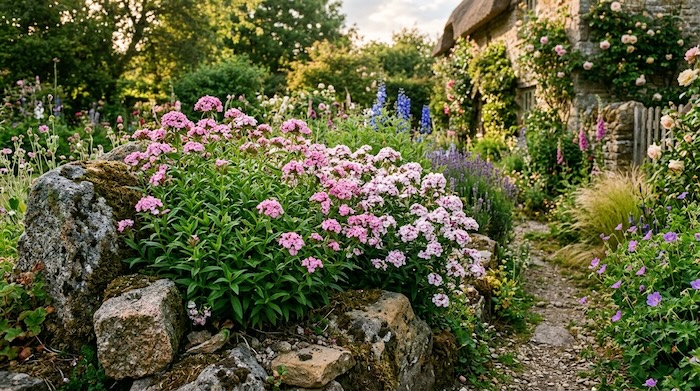
Soapwort blooms from early summer right into fall, and once established it spreads very easily. It works beautifully in cottage gardens, rock gardens, and herb gardens.
One thing to know before planting it: soapwort spreads quickly. Honestly, I don’t mind because it means I always have plenty available for herbal washes and homemade skincare recipes.
The History Of Soapwort
Soapwort has been used for thousands of years throughout Europe and parts of Asia. During the Middle Ages, monks are believed to have introduced the herb throughout Europe because of its cleansing properties.
People quickly realized how useful the plant was for washing delicate materials without damaging them.
Historically, soapwort was commonly used to clean:
- Lace
- Wool
- Fine fabrics
- Silk
- Tapestries
Even today, some museums still use soapwort-based cleansers for fragile historical textiles because it’s much gentler than modern detergents.
Soapwort was also commonly known as “Bouncing Bet,” a traditional folk name associated with the plant for generations.
Is Soapwort Real Soap?
Not exactly.
Soapwort is considered a natural herbal cleanser rather than a true soap. Traditional soap is made using oils and lye through a process called saponification.
Soapwort simply releases naturally occurring saponins into the water, creating a soft, gentle foam.
If you’re interested in making actual soap bars, you may want to read:
- How To Use A Soap Lye Calculator Safely
- Essential Oils vs Fragrance Oils In Soap Making
- Soap Additives for Cold Process Soap
Soapwort Soap Recipe
This simple soapwort recipe can be used as:
- A gentle body wash
- A natural shampoo rinse
- A mild facial cleanser
- A delicate hand wash
Ingredients
- 3 tablespoons fresh or dried soapwort
- 1 cup water
Optional:
- A few drops of lavender or rosemary essential oil
I personally like adding lavender essential oil because it pairs beautifully with the herbal scent of soapwort
I usually keep Lavender Essential Oil on hand for herbal skincare recipes like this because it blends really well with natural plant cleansers.
If you don’t grow your own soapwort, you can also buy Dried Soapwort Root online for making herbal cleansers and shampoo rinses.
How To Make Soapwort Cleanser
Step 1: Boil The Water
Add 1 cup of water to a small saucepan and bring it to a gentle boil.
A small Stainless Steel Saucepan works perfectly for making herbal infusions and homemade skincare recipes.
Step 2: Add The Soapwort
Add your fresh or dried soapwort to the hot water.
Reduce heat and simmer gently for about 15 minutes.
I like using a Wooden Spoon Set for herbal recipes because they’re gentle on cookware and easy to clean.
As it simmers, the plant releases natural saponins into the water, creating a light herbal cleanser.
Step 3: Cool And Strain
Remove the mixture from the heat and allow it to cool completely.
Strain through cheesecloth or a fine mesh strainer into a clean jar.
This is where a Fine Mesh Herbal Strainer or reusable Cheesecloth really comes in handy.
Step 4: Store Properly
Store your finished soapwort cleanser in the refrigerator and use within about 5 to 7 days.
Since this recipe contains no preservatives, it has a fairly short shelf life.
What Does Soapwort Feel Like?
Soapwort creates a very gentle cleanser with a silky feel and a mild foam.
Don’t expect huge commercial-style bubbles. The lather is softer and lighter than regular soap or shampoo bars.
I find it leaves skin feeling clean without that stripped or overly dry feeling that some commercial cleansers can cause.
Can You Use Soapwort As Shampoo?
Yes — many people use soapwort as a mild natural shampoo.
I find it works best for:
- Sensitive scalps
- Gentle cleansing
- Herbal hair rinses
- Natural skincare routines
You can also combine soapwort with herbs like:
- Rosemary
- Chamomile
- Lavender
- Nettle
If you prefer a richer lather, you might also enjoy my Homemade Shampoo Bar Recipe.
Growing Soapwort In The Garden
Soapwort is surprisingly easy to grow.
It prefers:
- Full sun to partial shade
- Well-drained soil
- Moderate watering
Once established, it spreads rapidly and comes back year after year.
Honestly, if you love cottage gardens and useful herbs, soapwort is one of those plants that earns its place very quickly.
Historical Medicinal Uses Of Soapwort
Historically, soapwort appeared in old herbal remedies and folk medicine traditions. Some historical records mention it being used externally for skin conditions and other ailments.
Today, soapwort is primarily used as a traditional herbal cleanser.
I personally only use soapwort externally and recommend researching herbs carefully before using them medicinally.
Final Thoughts
Soapwort is one of those old-fashioned herbs that reminds me how resourceful people once were. Long before commercial soaps existed, plants like soapwort gave people a simple, natural way to cleanse skin, hair, and fabrics.
I love growing it both for its beautiful flowers and its traditional herbal uses around the garden.
If you enjoy natural living, herbal skincare, or experimenting with traditional soap-making methods, soapwort is definitely worth trying.
Disclaimer
This article is for informational and educational purposes only and is not intended as medical advice. Always research herbs carefully before use, especially if pregnant, nursing, taking medications, or managing health conditions. Soapwort should not be consumed unless under the guidance of a qualified professional.
© 2018 – 2026, admin. All rights reserved.
What a lovely site! I was intrigued by the soapwort story. I like the picture in my head of those bar maids shaking up the ale bottles to get them clean.
I have not encountered soapwort as a garden plant in Hawaii so I am grateful for your pointing to a source for it. I’d like to try that cleaning solution on an old tapestry that is getting a bit grimy.
I’m sure they would grow in Hawaii, with such a warm climate. Here is a link where you can buy seeds on-line
Soapwort
Love your site, I’m trying to get back to nature a bit more and use less mass produced products so keen to give this one a go. I have found so many beautiful recipes on here, just need to get the ingredients and give it a go.
Love the tale about the barmaids too.
I have never heard of Soapwart, just wondering if you know if it would grow in Australia? And if it doesn’t is there a dried version you can buy or is it better to be fresh?
Hello Heidi, I don’t see why it would not grow in Australia. Might have to water it, but it should grow. You can purchase seeds on-line – Here is a link Soapwort Seeds You can also get an extract Soapwort Extract
I knew about the soap aspect of soapwort but looked to your site for instructions for how to do it. I previously thought it was just the root. Also, I just read a site that uses yucca root for soap and shampoo.
When Puerto Ricans cook yucca for food, it has to be cooked a long time to get it to soften. The consistency is that of a stiff mashed potato. Kind of a starchy taste, too. I had it served with salt, butter and a few strips of pickled onion. It was delish! Now, the article for the yucca soap said to dig the tap root, peel it, cube it real small and then mash it. (The guy used a mortar and pestle.) After it was mashed, he simply squeezed the juice from it and used that. The pulp was to be saved and could be used again if it was dried and then some water added. It was a little weaker each time.
I’m thinking that once the saponins are removed, the dried pulp could probably be rehydrated and cooked like instant potatoes. May give it a try! IMPORTANT NOTE:
IT IS ILLEGAL TO DIG WILD YUCCA IN SOME PLACES, but it is sold in many garden centers and seeds easily.
Hi Karla,
Thanks for sharing the info on the Yucca that’s really interesting.