Soap and Water
Hard and Soft Water
A nice bar of soap will lather well with hard or soft water, but soap does lather way better in soft water.
With Soft water you may get a slippery wet feeling because soft water does not contain the calcium and magnesium that is found in hard water, therefore you don’t need to use as much soap in softer water to get a nice lather.
With Hard water and the calcium and magnesium soap does not lather as well. A good fix for this is to use more coconut oil in your recipe as this oil helps to produce bubbles even in the hardest of water.
We live with hard water and this soap recipe produces a great lather https://makingsoapnaturally.com/soap-making-recipes
Natural glycerin in natural soap
Handmade soaps are rich with natural glycerin and that is why they are so very moisturizing for your skin. This is one of the reasons why natural soap is so popular. That natural glycerin helps to draw moisture to your skin keeping it hydrated and helping to prevent moisture loss and dryness.
This is what makes handmade natural soap a favorite for people suffering from skin conditions such as psoriasis and eczema.
Why is my natural soap sweating?
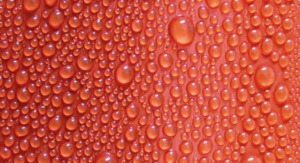
It is important to look after your natural soap. It can begin to sweat if it sits out in humid conditions, the glycerin will begin to draw moisture from the air toward the soap leaving beads of water on the bar.
The sweating you see does not come from the inside of the bar, but rather from the natural glycerin attracting moisture to the soap. The more humid the environment the more moisture your soap will draw.
How to keep my soap from sweating?
To keep your soap from sweating, keep it in a dry area. Don’t keep all your soap in the bathroom, only the bar you are using. Maybe store the others in a linen closet, but not sealed. Leave them in a paper bag or out (if scented they will nicely scent your linen) Natural soap needs to breath.
If making your own soap, research the oils you are using – Canola and Castor oil tent to attract moisture.
Store your homemade soap in a dry area that is temperature controlled. I have used containers container moisture absorbent beads when needed.
Moisture is not always a problem, it depends on the climate you live in and can vary from season to season.
Don’t panic if you find a bit of moisture on your handmade soap, wipe it off and find a better place to store it. These little beads of sweat are telling you your soap have natural glycerin which will moisturize your skin as you use it.
#handmadesoap #naturalsoap #makingsoapnaturally #soapmaking #soapmaking #soaps #artisansoap #bathandbody #cpsoap #coldprocesssoap #etsy #soapbase #soapcrafter #soapmaker #soaping #soapcrafting #soaphandmade #soap #giftidea #christmas #barsoap #handmadesoap #natural #organic #skincare #coldprocess #soapsupplies #soapandwater
© 2018 – 2020, Tes. All rights reserved.
Interesting article about natural soap and hard/soft water. I have not made my own soap before. I was not aware soap lathered differently depending on whether it comes into contact with hard or soft water.
What do we need to do to make our own soap? How long does it take to make? After making soap how long does it generally last if proper care is given to the soap?
Thank you for providing this information.
Hello Jody, yes the harder your water is the less lather you will get. Coconut oil in soap will help with this as it works better in harder water.
If you are interested in making your own soap here is a link to a page that will give you Step by Step instructions on how to make soap with pictures
you may also want to read
Proper storage of the Natural and Handmade Soaps
Thanks for stopping by the website and happy soap making,
Hmm…never thought about soap sweating before, but then I don’t have all know how of making my own soap. Someone like you probably knows all the in and outs of this.
Now that you mention the difference in water, I have noticed how different soap lathers up. I will waiting for more information in regards to making my own soap. Personally I love soap that lathers up really well.
Hi Jag if you want to try making your own soap have a look at these links. One is step by step instructions and the other is recipes.
Soap Making Recipes
Make Natural Soap at Home -Step by Step instructions with pictures
Tes, I never knew that I knew so little about soap! I have wanted to make my own soap for a while now, mainly because our children have very delicate skin that seems to break out when the wind blows. I have been looking into some of your recipes, and I am impressed. Do you think making soap will eliminate most of the more common allergens?
Thank you so much for the very informative website. I and going to check out your other pages now! Thank you! Clay
Hi Clay, I’m glad you are learning from my website. I started making soap when I was very young for the very reason you are thinking of. I had the most sensitive skin and was covered with Eczema. Once I started using my own soap, making my own laundry soap, creams and lotions that all changed. I’m sure making your own soaps will help your children. Tes
We have a water softener and yes, it definitely makes you feel slippery. The water in our area is some of the worst in the United States from a hardness standpoint, so a water softener is a much-needed household appliance. Some people love the feel of the water and others do not. I have grown to like it. Since we also live in a humid climate, is it possible to completely stop the soap from sweating?
I will definitely check out your recipe for making soap. This seems like something my kids would enjoy. I look forward to hearing back from you!
Hi Steve, if you live in a humid climate natural soap could attract some of that moisture. The best thing to do is to make sure you store it in a place that is as dry as can be and let it breath. Don’t seal the soap up. Here is a link to some information you may wan to look at. Water on Soap
I have very hard water at my house and getting soap to lather was a challenge. I ended up getting a water softener because of the calcium buildup in my pipes. But I have been really interested in using a more natural soap rather than the commercial ones which are just chemicals.
Do you recommend any certain types of natural soaps?
Hi Nicki, we have hard water as well, our old place we had a water softener which really did help, but this home we don’t. I used bottled water to make my soap and the recipe I use lathers very well with our hard water. The recipe for that soap is recipe #1 on this link Soap Recipes
I forgot how much the hardness of water impacts soap. I live on well water and while I love drinking urban cooking with it… you’re right… nothing soaps up. Sound like coconut oil is what is lacking.
Your site gives great ideas and tips on making your own soap. I live in an area with a lot of goats and I see goat milk as a popular ingredient. Would you recommend just buying handmade soap rather than making it?
Hi Tim, I like to make my own soap, but that’s not to say I haven’t bought handmade soap. I like to try out other soap makers soap. It’s up to you, but making your own soap can be fun and rewarding. You can add whatever you want to it and play around with different scents and colors if you like. Goats Milk soap is popular too, you may want to try that. Here is a recipe for you should you choose to try it. How to make soap from Goat Milk