Eczema is a common inflammatory skin condition that causes dry, itchy, and irritated skin. It affects people of all ages, though it is most commonly seen in infants and young children.
While eczema is not contagious or life-threatening, it can be chronic, uncomfortable, and disruptive, especially during flare-ups. Symptoms often come and go and may be influenced by environmental, lifestyle, and genetic factors.
This guide explains:
-
What eczema is and how it presents
-
Common triggers and risk factors
-
Different types of eczema
-
Conventional medical approaches
-
Supportive, non-medical skin care practices
-
When to seek medical care
📑 Table of Contents
Click a section below to jump directly to that topic.
What Is Eczema?
Eczema is a general term used to describe a group of conditions that cause skin inflammation and irritation. The medical term often used is dermatitis.
The most common form is atopic dermatitis, though several other types exist. Eczema often involves periods of improvement followed by flare-ups, and severity can vary widely from person to person.
Common Symptoms of Eczema
Symptoms vary depending on the type of eczema and the individual, but commonly include:
-
-
-
Dry, sensitive skin
-
Redness or discoloration
-
Itching or burning sensations
-
Thickened or scaly patches
-
Cracked or weeping skin during flare-ups
-
-
Scratching can worsen symptoms and may lead to skin thickening or secondary infection.
What Causes Eczema?
The exact cause of eczema is not fully understood. It is believed to involve a combination of:
-
-
-
Genetic predisposition
-
Altered skin barrier function
-
Immune system sensitivity
-
Environmental triggers
-
-
Common triggers may include:
-
-
-
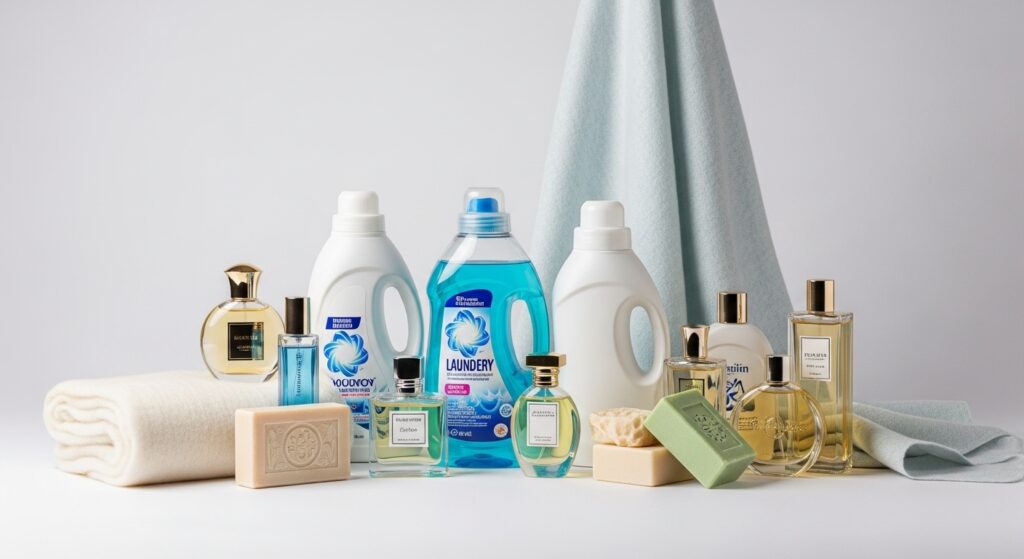
Harsh soaps or detergents
-
Fragrances or cosmetics
-
Certain fabrics (such as wool)
-
Temperature changes
-
Stress
-
Sweat or prolonged moisture
-
-
Avoiding known triggers is often a key part of managing eczema-prone skin.
Types of Eczema
Atopic Dermatitis
The most common form of eczema. It often begins in infancy and may improve with age, though some people experience symptoms throughout life.
Contact Dermatitis
Occurs when the skin reacts to an irritant or allergen such as detergents, metals, cosmetics, or fragrances.
Seborrheic Dermatitis
Often affects the scalp and face, producing oily, flaky patches. Dandruff and cradle cap are examples.
Nummular Eczema
Characterized by round, coin-shaped patches of irritated skin, often on the arms or legs.
Neurodermatitis
Develops from a persistent itch-scratch cycle, leading to thickened patches of skin.
Stasis Dermatitis
Occurs on the lower legs due to poor circulation, primarily in older adults.
Dyshidrotic Eczema
Appears as small, itchy blisters on the hands or feet, often triggered by heat or moisture.
How Eczema Is Diagnosed
Eczema is typically diagnosed through:
-
-
-
Visual examination
-
Medical history review
-
Discussion of triggers and symptom patterns
-
-
In some cases, patch testing or skin biopsy may be used to rule out other conditions.
Conventional Treatment Options
Medical treatment depends on severity and may include:
-
-
-
Moisturizers to support the skin barrier
-
Topical corticosteroids during flare-ups
-
Prescription creams for inflammation control
-
Antihistamines for itch relief
-
Phototherapy in certain cases
-
-
Treatment plans are individualized and should be guided by a healthcare professional.
Gentle Skin Care Support for Eczema-Prone Skin
Supportive care focuses on reducing irritation and protecting the skin barrier, not curing the condition.
Helpful practices may include:
-
-
-
Using fragrance-free, gentle cleansers
-
Limiting hot baths or showers
-
Applying moisturizers regularly
-
Wearing breathable, soft fabrics
-
Avoiding known triggers
-
-
Gentle Skin Care Products Often Used
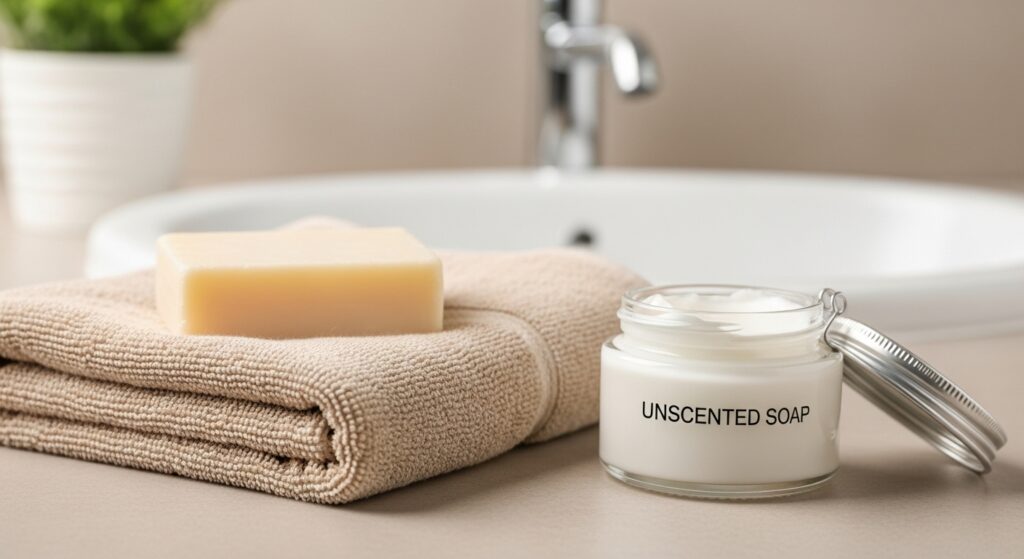
Some people find that switching to unscented, vegetable-oil–based soap and fragrance-free moisturizers helps reduce irritation for eczema-prone skin.
For broader guidance on using natural ingredients safely, see the Essential Oil Safety Guide.
Lifestyle Considerations
-
-
-
Keep skin moisturized consistently
-
Pat skin dry rather than rubbing
-
Manage stress when possible
-
Maintain a comfortable indoor humidity level
-
-
Small daily habits often have the greatest long-term impact.
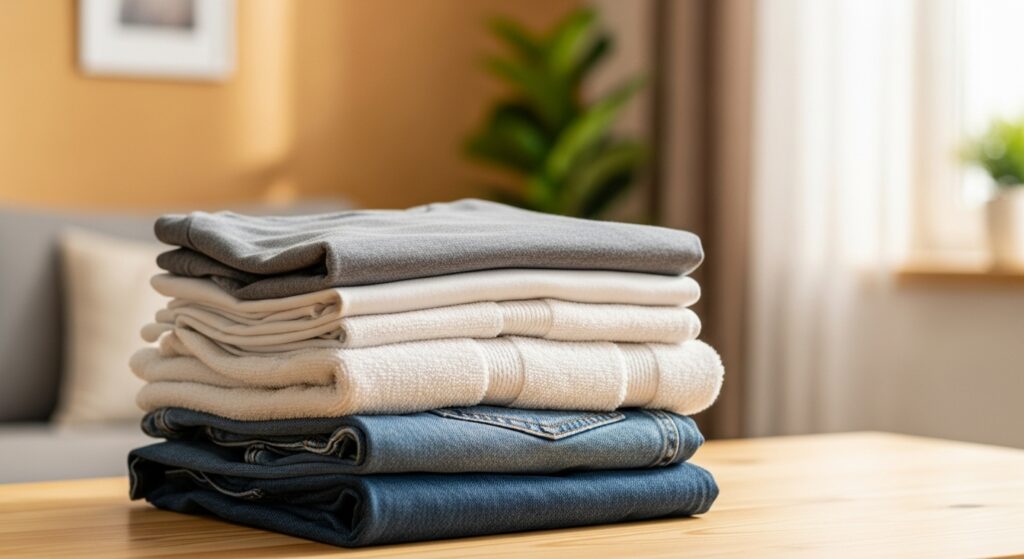
Fragrance-free laundry detergents and breathable cotton clothing are often recommended for sensitive or eczema-prone skin.
Pediatric & Medical Safety Disclaimer
This content is provided for educational purposes only and is not intended to diagnose, treat, cure, or prevent any medical condition.
Eczema may require medical evaluation and treatment. Always consult a qualified healthcare professional, especially for:
-
-
-
Infants and children
-
Severe or persistent symptoms
-
Signs of infection
-
-
Natural or homemade products should be patch tested and discontinued if irritation occurs.
Frequently Asked Questions About Eczema
Is eczema contagious?
No. Eczema is not contagious and cannot be spread from person to person.
Can eczema be cured?
There is currently no cure for eczema. Many people manage symptoms through medical care, trigger avoidance, and supportive skin routines.
Does eczema go away on its own?
Some children outgrow eczema, while others experience symptoms into adulthood. The condition often follows a pattern of flare-ups and remission.
Are natural products safe for eczema?
Some people find fragrance-free, gentle products helpful. However, “natural” does not always mean non-irritating. Patch testing is essential.
When should I see a doctor?
If eczema is severe, worsening, infected, or not responding to basic care, medical advice should be sought.
Final Notes
Eczema management focuses on skin barrier support, trigger awareness, and appropriate medical care. Gentle routines and informed choices can help reduce irritation and improve comfort over time.
For those interested in controlling ingredients completely, making simple unscented soap at home can be an affordable option.
Important Note:
This information is for educational purposes only.
This post may contain affiliate links. If you make a purchase through these links, I may earn a small commission at no extra cost to you.
Updated: January 2026
© 2017 – 2026, Tes. All rights reserved.
eczema can be such a hard infirmity to treat. I think using natural products is always going to be the best method as they seem to be more delicate than products filled with too many chemicals.
Do you have a favorite brand or line of products that you use? My oldest son has fair skin and is prone to getting eczema rashes.
I use soap and lotions from Just 4 U Soaps and the Arts Natural Scalp Coal Tar Shampoo – (you can find a link to it at the bottom of the article) It sure can be a battle to treat because everyones skin seems to react to different things. Good luck and I hope this helps your son.
I am allergic if my skin comes into contact with grass or weeds. When I was I kid I had a severe reaction to a vine in the backyard and the doctors thought I might go blind. I like to joke that I am allergic to yard work 🙂
I can also have a reaction to certain laundry detergents.
I really like using natural soaps all the time. My Mom wants to maybe make her own natural soaps, but she’s waiting for her herb garden to mature more so she can use the herbs for the soaps. I’m looking forward to using her soaps if she ever actually makes them.
I hear you Alexander, I always got out of haying because I was so allergic my eyes would swell shut. Of course when the neighbour kids asked if I wanted to go build a fort out of hay bales I’d forget I was allergic and suffer later lol. That’s so nice your Mom makes soap for you. I bet it’s going to be so nice with herbs from her garden.
Our young daughter sometimes breaks out in rashes, we think it down to whatevers chemicals are inside household cleaners and and like you mentioned the soaps we use. I have found the everyday soap really dries out your skin and always windered if that had something to do with setting off reactions.
Hi Vaughn as an allergy sufferer myself the laundry soap and bar soap was where I started to change things. If you are interested in making your own here are a couple links that your may be interested in. The laundry soap really is pretty easy to make and when you think about it. Everything we wear touches our skin, so laundry soap is a good place to start.
Handmade Laundry Soap Recipe
Soap Making Recipes
Thanks for some really good information. I think it is so important for non sufferers to understand what the sufferer has to go through and unfortunately the stigma that society puts on these people.I think it is important to recognize the side effects of some of the treatments such as weight gain with the corticosteroids and heart palpitations associated with the antihistamines. I could go on for ever but you have done such a fantastic job..
Thanks Donnie, some people just have no idea what it’s like to have allergies. I think they are very lucky. I can’t imagine life without allergies.