Soap Color Options
Oxides and Ultramarines
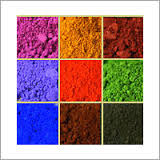 Sometimes natural is not always the best thing.
These colors are not technically natural, since they are a manufactured product; they do however duplicate natural occurring minerals and are produced for their purity.
Synthetic oxides are used in soapmaking; the reason for this is because they are better than Natural oxides. That’s right better! Natural oxides are still used today, but not in soap making. These natural oxides are often contaminated with toxic metals such as lead, mercury, arsenic, antimony and selenium.
Synthetic oxides are manufactured in a lab using a process in which the end product is 98% pure (synthesized)
Synthesized minerals ingredients are free from contamination, an example of this is titanium dioxide. When mined from the ground naturally there is a chance it can be contaminated with other natural but harmful ingredients. When synthesized these contaminates are not present.
Sometimes natural is not best. Cosmetic grade colorants are all man-made in order to meet approval.
Oxides and Ultramarines provide a stable color that will not fade or change in Cold Process Soap Making.
When making soap only .01 % of the colorant is used, so even though the synthetic clorants are safer than the natural you would have to say your soap is not 100% natural but rather 99.99% natural when using oxides as your colorant.
I don’t know about you, but I think if I’m going to choose I’ll got with the synthetic colorant over the Natural in this case.
Micas
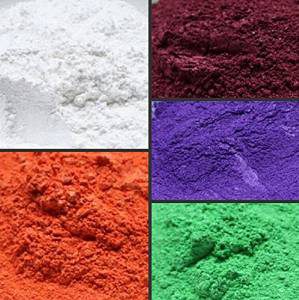 Micas are a natural product from the earth, but the cosmetic grades are not.
Natural mica is a silicate mineral of crystalline structure that is extremely expensive to mine.
Therefore natural micas are not used as colorants for soap. The natural micas are mainly used in electronics.
Cosmetic Grade micas are also synthetically produced and are the same micas you see in your lipstick, eye shadow and other mineral makeup.
Micas will give a smooth color and provide a bit of sheen, but not all are stable with Cold Process Soap some may fade or change color.
Clays
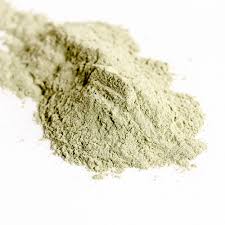 Clays are very fine grains of rock or soil material with traces of organic matter and metal oxides. Different combinations of rocks create clays and the oxides in the rock give the clays their color.
Clays come in a variety of colors from White to dull gray or brown and red.
Some of the most used clays and the colors they produce in soap are:
- French Green Clay – natural green color
- Kaolin Clay – white
- Rose Kaolin Clay – light rose color
- Rhassoul Clay – shades of red
Some colored clays are simply clays with oxides or mica’s added to produce the required color.
Bentonite Clay is often used in shaving soap; it is grey in color but does not notably change the color of the soap. This clay is not recommended for people with dry or sensitive skin.
Clay colors are stable in cold process soap.
Plant Based Colors
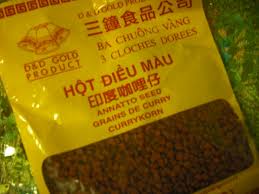 Herbs, seeds, spices can be used to color soaps. Some plant-based colors are more stable than others so do your research when choosing these colorants.
Some materical can be irriatating to the skin and stain clothing so be careful.
Caution should be used when using spices – you may get wonderful colors, but things like chili powder, cinnamon and cloves may be very irritating to the skin.
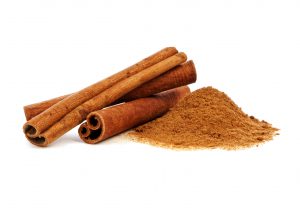 Plant bases and their colors:
- Alkanet Root – purple colors
- Annatto – Yellow to gold
- Turmeric – shades or orange
- Cocoa Powder – brown to dark chocolate brown
- Cinnamon – brown colors
- Indigo Powder – dark blue
- Madder Root – red to purple
- Spinach – light green
Another way to color with plant based colorants is to make a tea simply by steeping plant material in your liquid or by using liquids such as wheat grass juice, green tea or coffee.
Natural colorants are natural but it is usually difficult to achieve the color you want and sometimes it’s hard to get a smooth color.
I have used all these soap color options depending on what I am making and also have a few soaps that I don’t use any color at all, the essential oils I use for scent give a nice warm color without adding anything to the soap.
It’s always fun trying new colors and techniques. Enjoy!

© 2017, Tes. All rights reserved.
I have often thought I would like to make my own soap but had no idea how to start. Now, thanks to your website I have learned how to do it. Next step will be to do it. I think all too often we think that natural has to be better but it isn’t always the case. Is homemade soap more gentle on your skin than what bought soap is? Is the soap making process you describe in your website very different to the soap we find on our supermarket shelves?
Hello Margret, yes the soap we make is most often better than store bought soap although in recent years I do see the stores selling some handmade soaps. With handmade soap the natural glycerin is retained and no chemicals are added to create lather whereas with most store brands the glycerin is taken out and sold as a byproduct, leaving you with a bar that is not as moisturizing. If you would like to read more or make your own soap here are a couple post you may want to check out.
Make Natural Soap at Home -Step by Step instructions with pictures
Naturally Inspired – The Billion Dollar Words
Bar Soap – Healthy, Natural, Safe – That’s the question