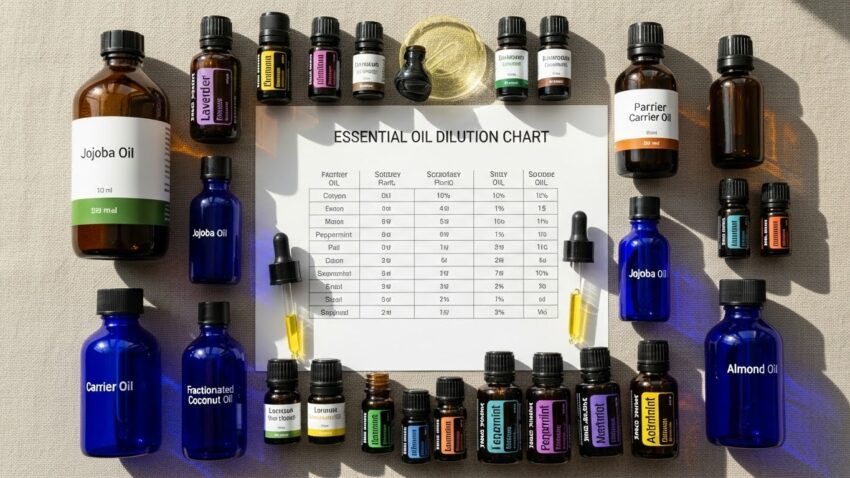
What Is Essential Oil Dilution?
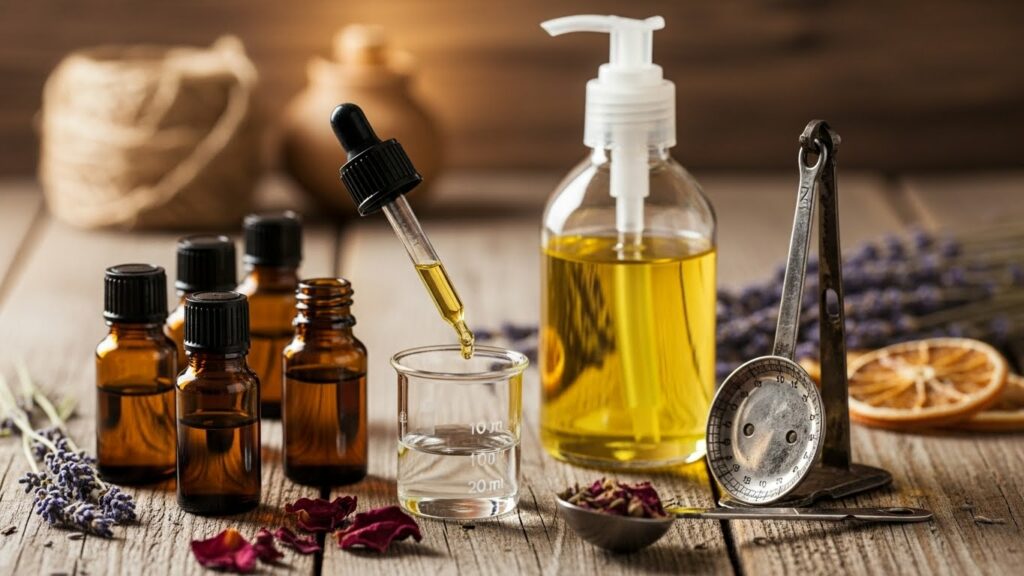
Essential oils are highly concentrated plant extracts. Proper dilution is essential for safe use, especially when applying oils to the skin, hair, or using them in soap making.
Dilution means mixing essential oils with a carrier oil, base product, or soap formula to reduce the risk of irritation, sensitivity, or adverse reactions. Understanding how to dilute essential oils correctly allows you to enjoy their benefits while protecting your skin and overall well-being.
This essential oil dilution chart provides clear, practical guidelines for everyday use, skincare, hair care, and soap making.
Why Proper Dilution Matters
Using essential oils undiluted (often called “neat”) can cause:
-
Skin irritation or burns
-
Sensitization over time
-
Allergic reactions
-
Increased risk for children, seniors, and sensitive skin
Dilution helps ensure:
-
Safer topical use
-
Consistent results
-
Better tolerance for regular use
-
Compliance with natural skincare and soap-making best practices
🌿 Essential Oil Dilution Chart (Topical Use)
General Dilution Guidelines
| Use Type | Dilution % | Essential Oil Amount |
|---|---|---|
| Very sensitive skin / face | 0.25–0.5% | 1–3 drops per 2 Tbsp carrier oil |
| Daily body care | 1% | 6 drops per 1 oz carrier oil |
| Targeted use (short term) | 2% | 12 drops per 1 oz carrier oil |
| Short-term, limited use | 3% | 18 drops per 1 oz carrier oil |
✔ 1 oz = 30 ml carrier oil
✔ These guidelines apply to lotions, oils, balms, and roll-ons
🌸 Essential Oil Dilution for Sensitive Skin, Children & Seniors
For babies, children, seniors, and those with sensitive skin:
-
Use 0.25%–0.5% dilution only
-
Avoid strong essential oils such as:
-
Peppermint
-
Eucalyptus
-
Tea Tree (for very young children)
-
-
Always perform a patch test
-
When in doubt, use less — not more
💆 Essential Oil Dilution for Hair & Scalp Care
Essential oils are commonly used in shampoos, conditioners, and scalp oils.
Recommended Dilution
-
1% dilution
-
6 drops essential oil per 1 oz carrier oil
This applies to:
-
Scalp oil treatments
-
Leave-in hair oils
-
Conditioner bars and masks
Strong oils like tea tree and peppermint should remain at the lower end of the dilution range.
🧼 Essential Oil Usage in Soap Making (IMPORTANT)
Soap making dilution is different from skincare dilution.
In soap making, essential oils are calculated by total oil weight, not carrier oil dilution.
General Soap Making Guidelines
-
0.5–1 oz essential oil per pound of soap oils
-
Always follow supplier recommendations and IFRA guidelines
-
Some essential oils require lower usage rates
Examples of oils that often need reduced usage:
-
Cinnamon
-
Clove
-
Peppermint
✔ Always weigh essential oils using a digital gram scale
✔ Keep accurate notes for repeatable recipes
Many soap makers keep a soap making reference book or essential oil blending guide nearby to double-check safe usage rates and scent combinations.
🧪 How to Measure Essential Oils Accurately
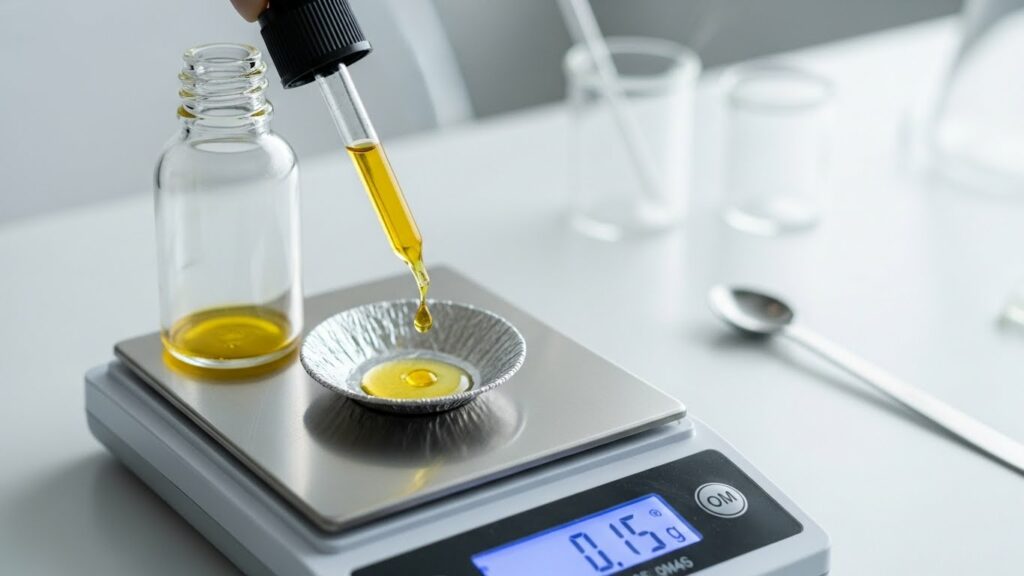
Essential oils should be measured by weight, not drops, for consistency and safety.
-
Drops can vary depending on oil viscosity and dropper type
-
A digital scale ensures precise formulations
-
Especially critical in soap making and batch recipes
Because drops can vary widely, essential oils should always be measured by weight. A digital gram scale provides accurate, repeatable measurements — especially important for soap making.
🧴 Best Carrier Oils for Dilution
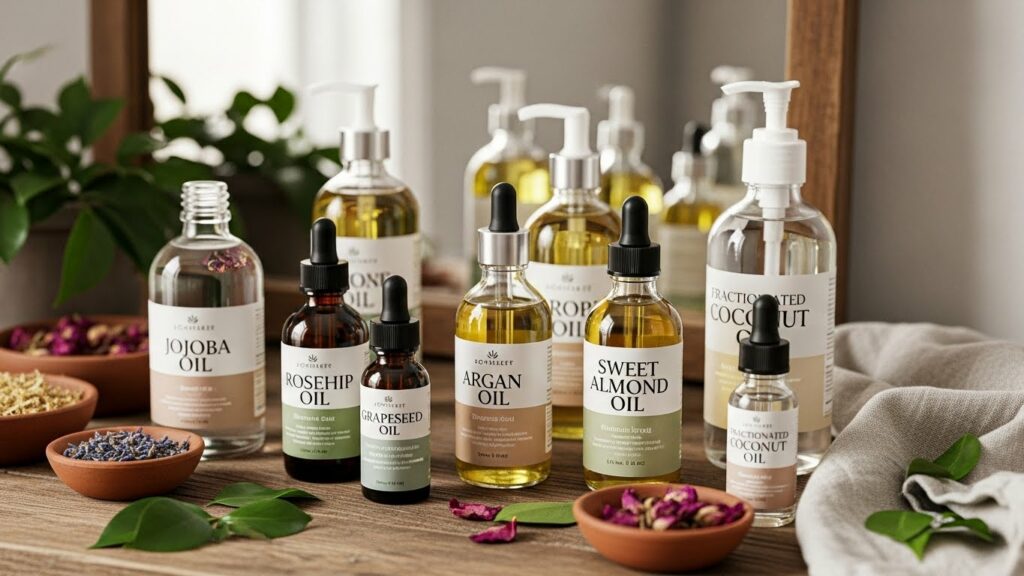
Common carrier oils used for essential oil dilution include:
-
Jojoba oil (closest to skin’s natural sebum)
-
Sweet almond oil (light and nourishing)
-
Fractionated coconut oil (long shelf life, odorless)
-
Olive oil (rich and moisturizing)
Choose a carrier oil based on:
-
Skin type
-
Intended use
-
Shelf life
⚠️ Essential Oil Safety Notes
-
Never apply essential oils undiluted unless specifically directed
-
Avoid contact with eyes and mucous membranes
-
Store oils in dark glass bottles away from heat and light
-
Keep out of reach of children and pets
-
Consult a professional if pregnant or under medical care
Frequently Asked Questions About Essential Oil Dilution
Can essential oils be used undiluted?
In most cases, no. Undiluted use increases the risk of irritation and sensitization.
Is more essential oil better?
No. Using more does not increase benefits and can increase risks.
How do I dilute essential oils for soap making?
Soap uses total oil weight, not carrier oil dilution. Follow recommended usage rates.
Do essential oils need dilution in rinse-off products?
Yes. Even rinse-off products require proper formulation.
Final Thoughts
Understanding essential oil dilution is one of the most important steps in using essential oils safely and effectively. Whether you’re blending skincare, making soap, or creating hair treatments, following proper dilution guidelines protects both you and your finished products.
This dilution chart serves as a foundation resource you can return to again and again.
If you’re new to essential oils, a small essential oil starter kit with proper storage bottles and tools can help you get started safely.
This post may contain affiliate links. If you make a purchase through these links, I may earn a small commission at no extra cost to you.
© 2026, Tes. All rights reserved.
This is a really useful and well-organized essential oil dilution chart that gives clear guidelines on how to mix essential oils safely for skin, hair, and soap making. I like how it explains why proper dilution matters and even differentiates between everyday use, sensitive skin, and targeted use, which helps both beginners and more experienced makers make safer blends. The section about calculating essential oils for soap making was especially helpful since it’s different from carrier oil dilution. I’m curious how you would recommend adjusting dilution rates when using essential oils that are known to be more irritating or phototoxic in your own soap or skincare recipes?
Thank you! ???? For oils that are more irritating or phototoxic, I simply use much lower dilution rates, or not use them at all. cinnamon is one I avoid. I made a mens shaving soap and my son who has very sensitive skin tried it. He is my tester and ended up with a rash so I have never used it in any of my products again. I stick to the most conservative guidelines, especially for skincare, and always recommend patch testing. Great question!